The Prehistory
The Neolithic Period
The island was first visited between the 12th – 10th millennium BC, by Late Epipalaeolithic hunter-fisher groups from the Levant who cross the sea, arriving in Cyprus. The earliest evidence derive from Evidence derive from the sites of Akrotiri Aetokremnos, Akamas – Aspros and Ayia Napa – Nissi Beach. The first permanent settlements appear in the 9th millennium BC when groups involved in the Neolithization process taking place in the nearby mainland must have aided the settlement in Cyprus.
The Calcolithic period
The Chalcolithic period [ 3900-2500 B.C.] is characterized as one of the most distinctive periods of prehistoric Cyprus, lasting for approximately 1400 years, from ca. 3900 to 2500 BC. The archaeological contexts of the excavated chalcolithic villages provided significant information about the period. Major features of the period are population growth, evidence of the first metalwork, development of an island-wide symbolic system, aesthetics and development of arts and crafts.
The Bronze Age [2500-1050 B.C.]
The Bronze Age begins in the mid-3rd millennium B.C., around 2500 B.C and ends in 1050 B.C. The new era is marked with a series of major developments and innovations. During the Late Bronze Age, large urban centres are founded and Cyprus is now involved in an extensive maritime trade with the Aegean and the eastern Mediterranean.
The Iron Age
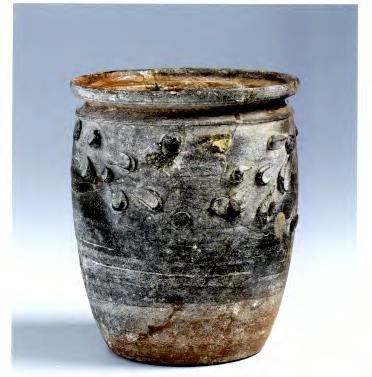
The end of the Late Bronze Age (LBA) is marked by a political configuration. This configuration is characterised by the operation of a decentralized system of several multiple polities which were economical autonomous. The economic autonomy of these polities was based sustained by the regional exploitation of cooper and metal’s extra-insular transhipment. Copper was found in abundance around the foothills of the Troodos range. The Iron Age is the age of the Cypriot Kingdoms, from the end of the 8th century BC onwards. The political system was abolished in the end of the 4th c. BC, when Cyprus become part of the Ptolemaic Kingdom.
The Geometric [1050 – 750 B.C.]
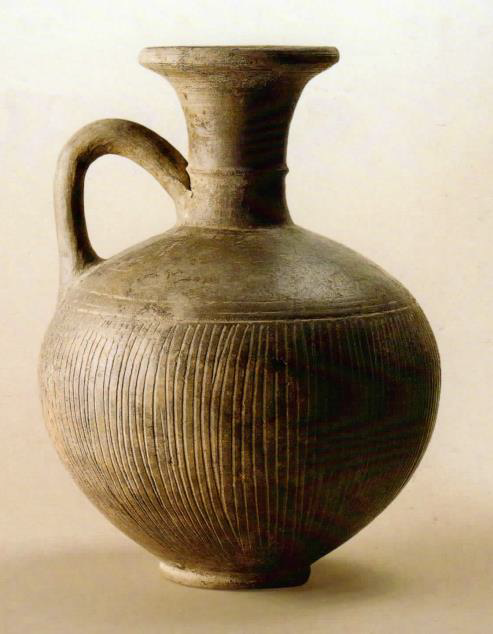
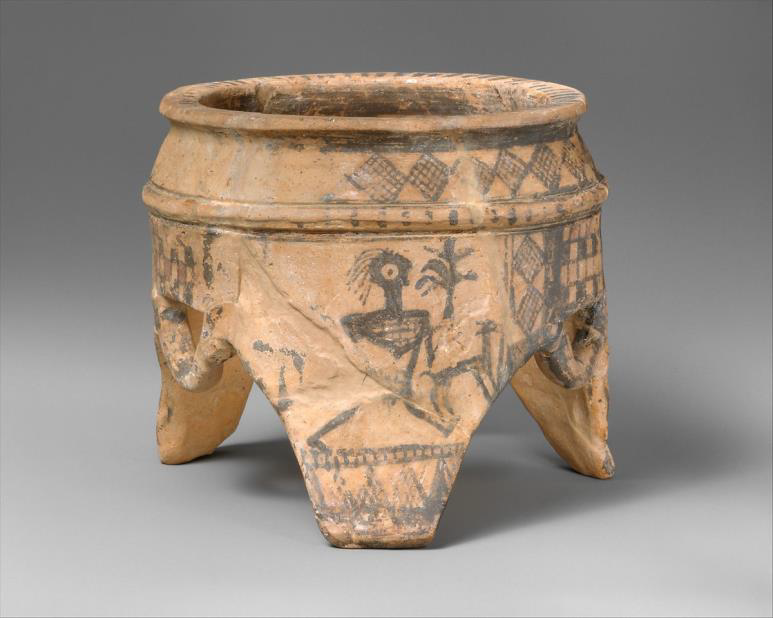
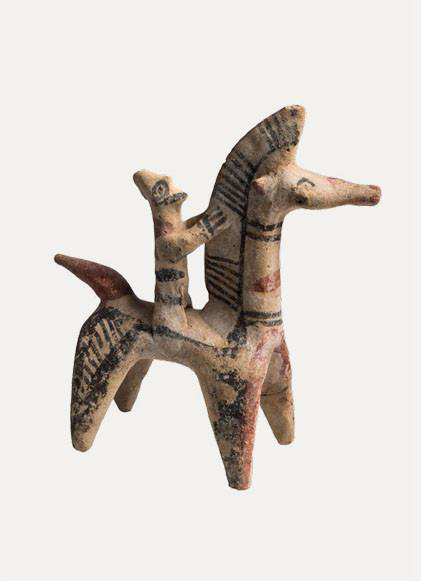
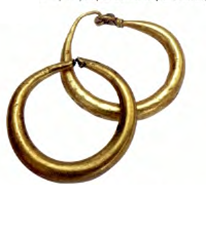
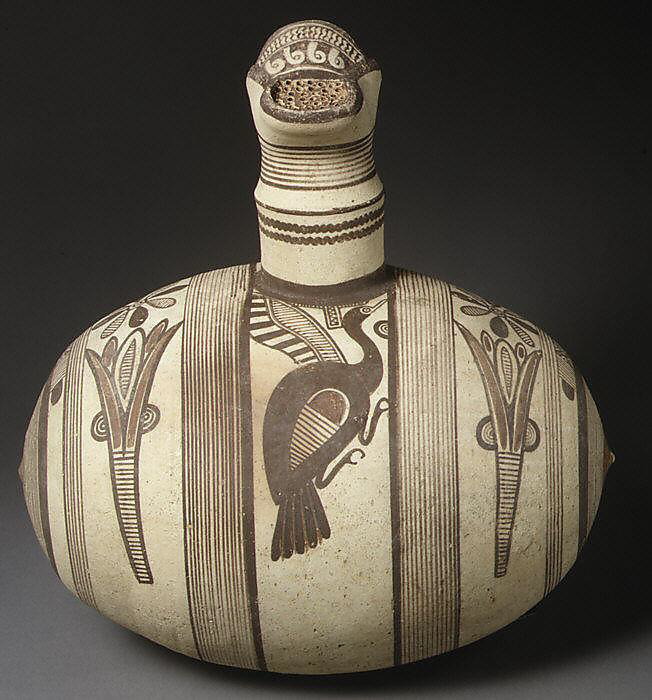
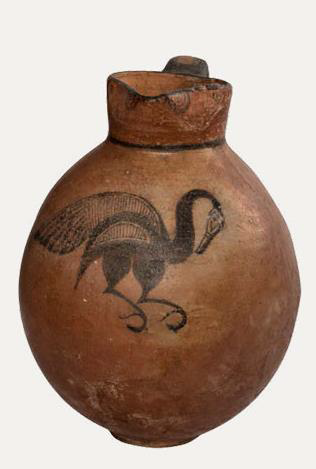
The Archaic [750-475 B.C.]
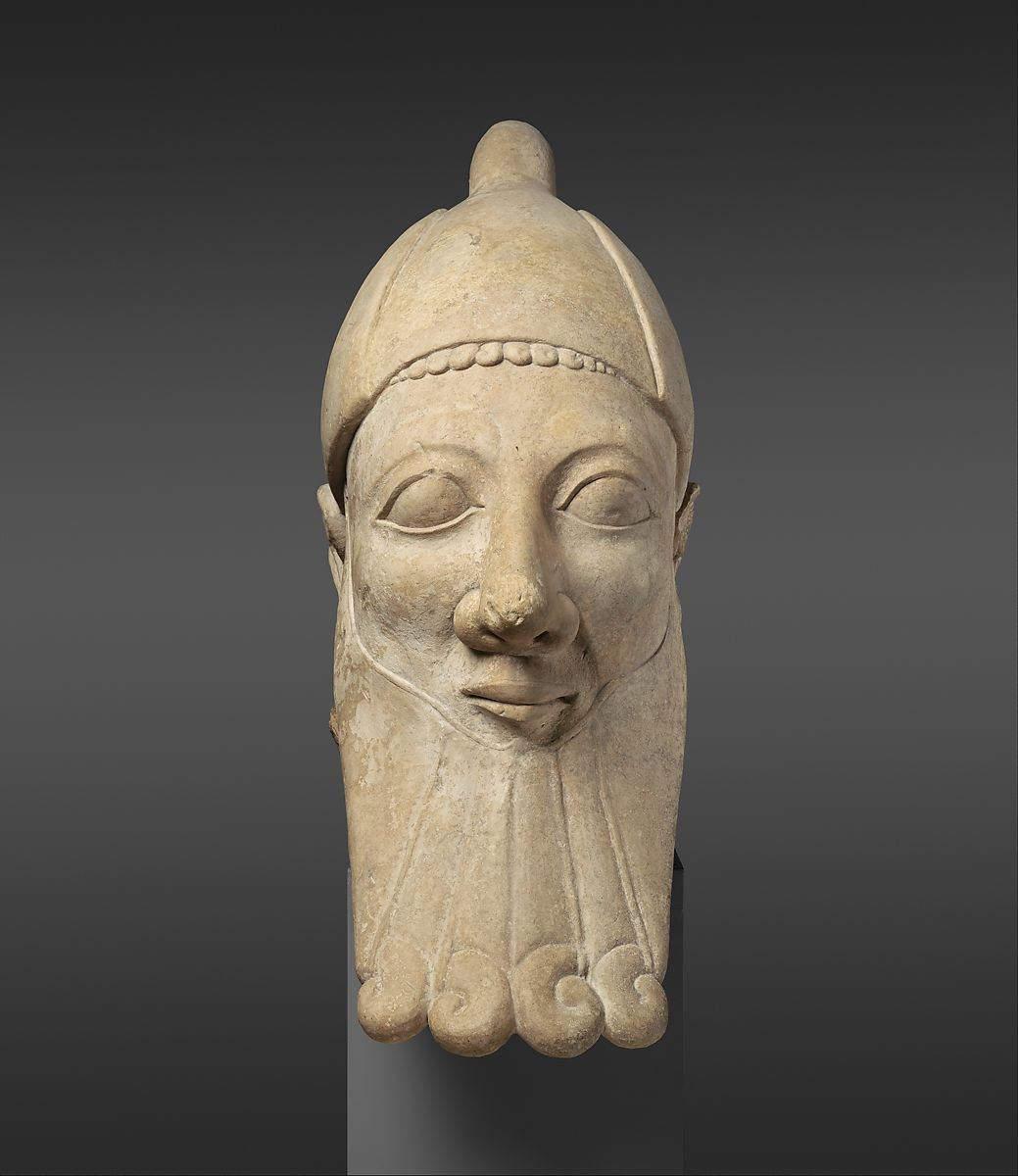
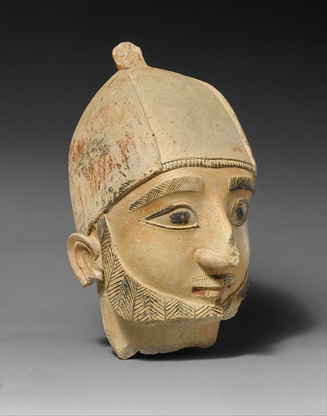
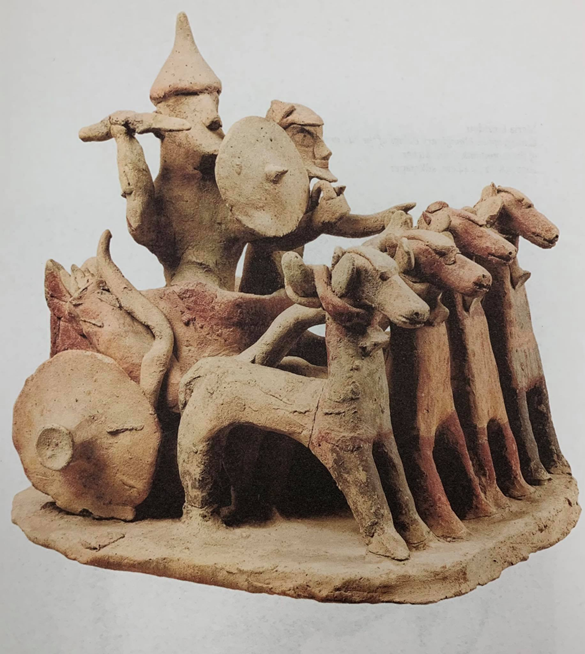
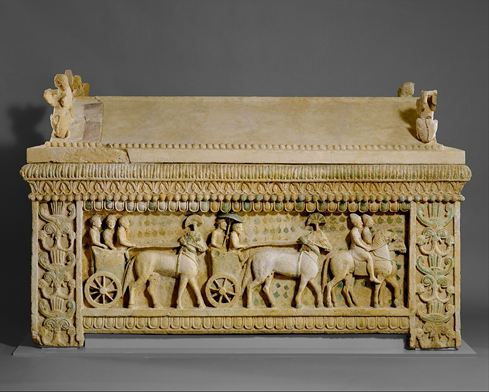
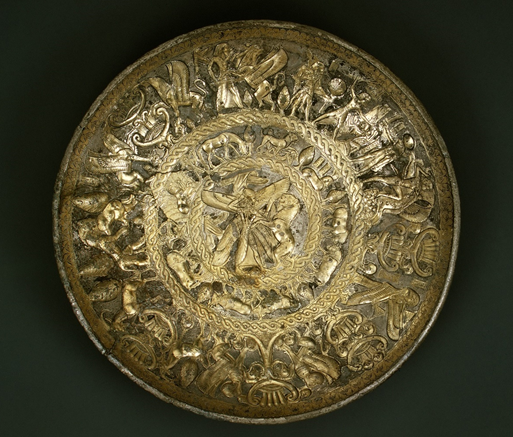
The Classical [475-312 B.C.]
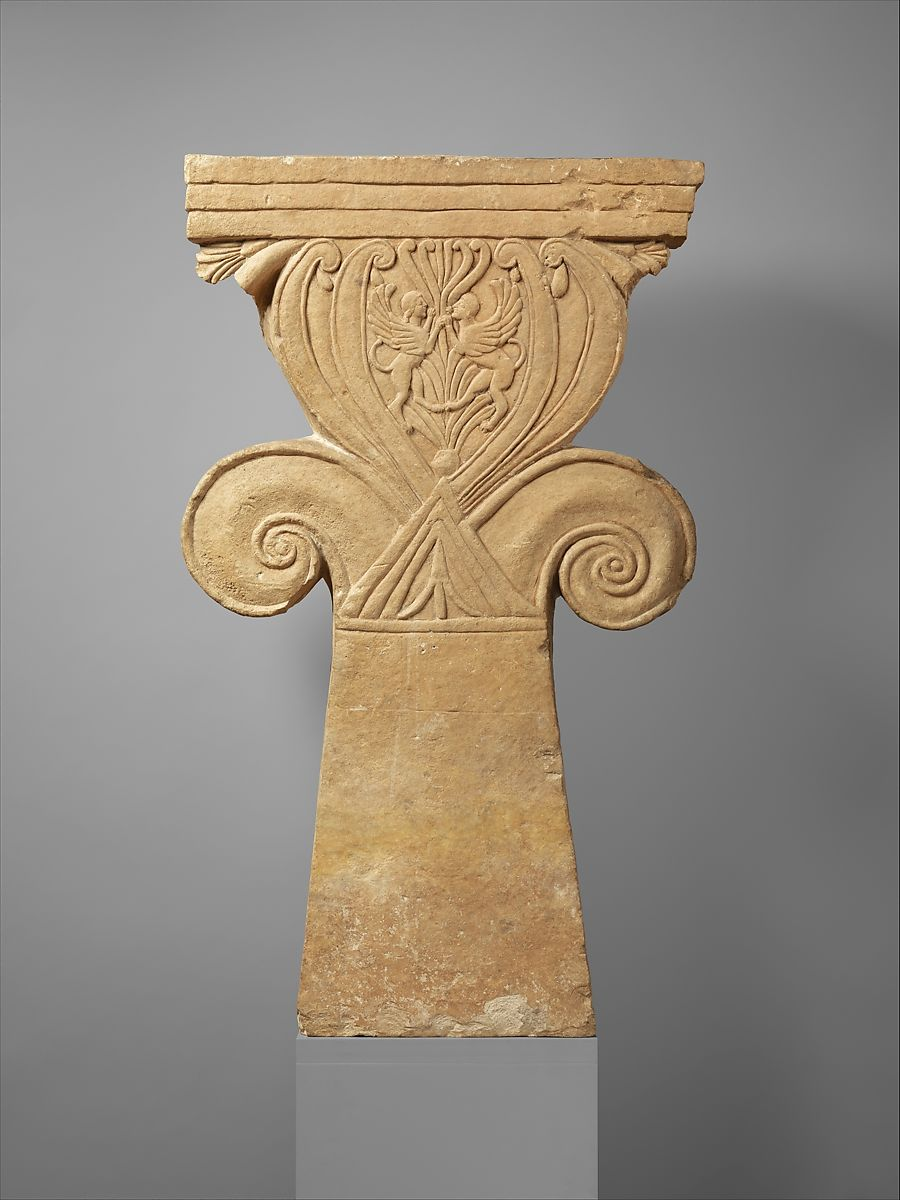
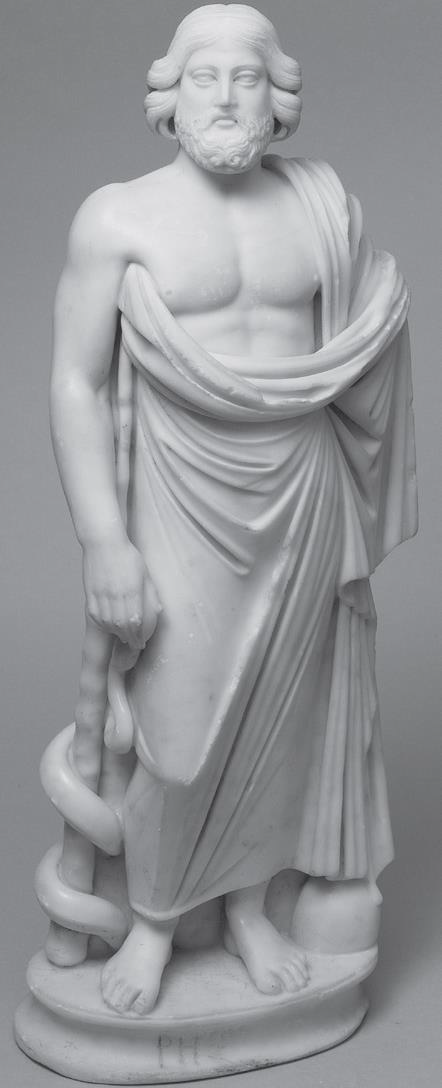
The Hellenistic [312 – 58 B.C.]
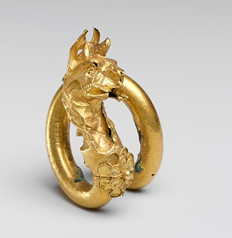
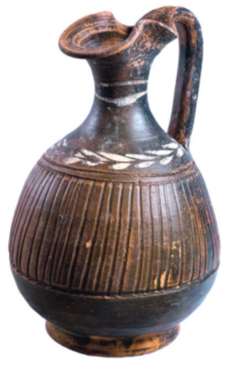
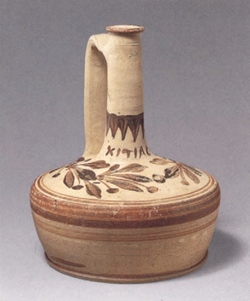
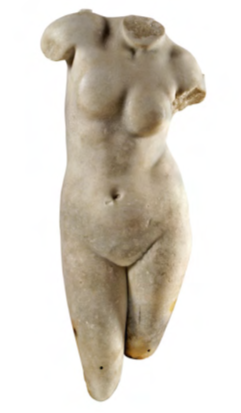
After the death of Alexander the Great, a long period of intense conflicts followed, between his political successors, the generals Ptolemy I Soter and Antigonos Monophtalmos. The factors rendering Cyprus important for Ptolemy and Antigonos were her geographical position within Eastern Mediterranean and her economic resources; natural resources such as copper, wood and fertile land. After a long period of conflicts between the two successors, in 294 BC Ptolemy, who became king of Egypt, absorbed Cyprus. Ptolemy abolished the the old city-kingdom regional system and a single state under unified civil and military commands was established. The newly founded city of Nea Paphos soon obtained a leading role for the island. Cultural development was marked during the Hellenistic period despite the intense political changes that occurred on the island. This development was based on Greek culture which was enhanced during the Hellenistic period due to the strong Greek influences of the Ptolemaic kingdom.
The Roman [58 B.C. – 395 A.D.]
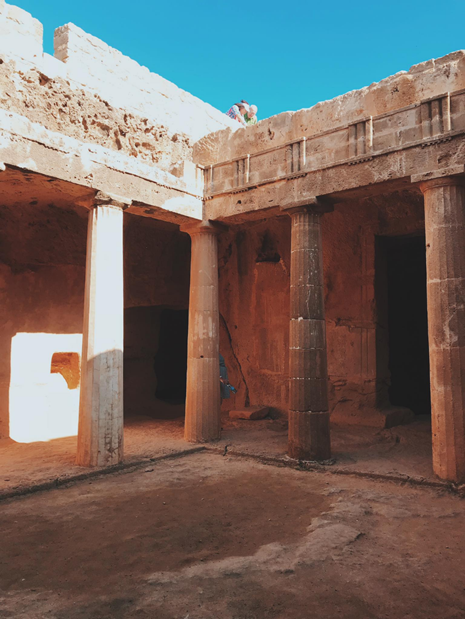
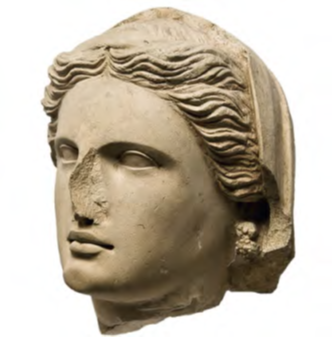
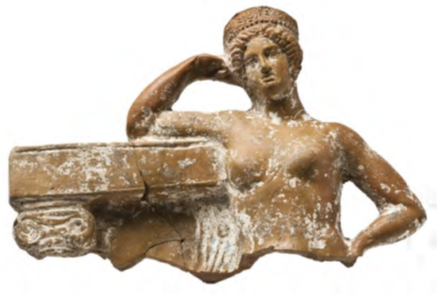
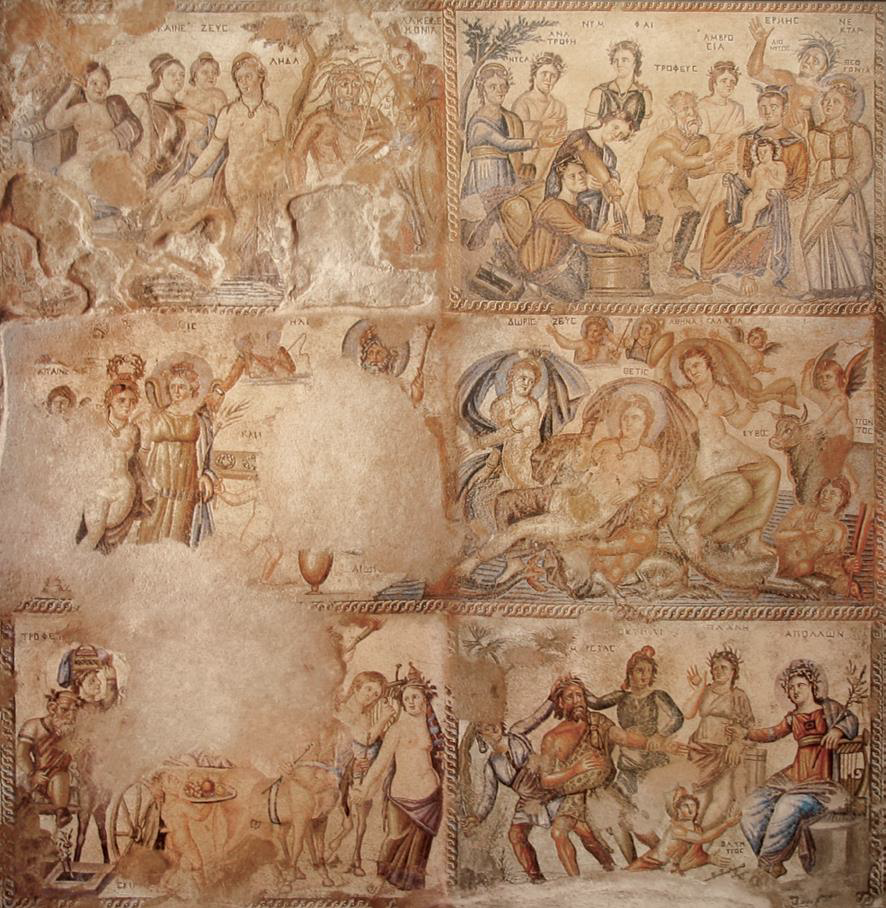
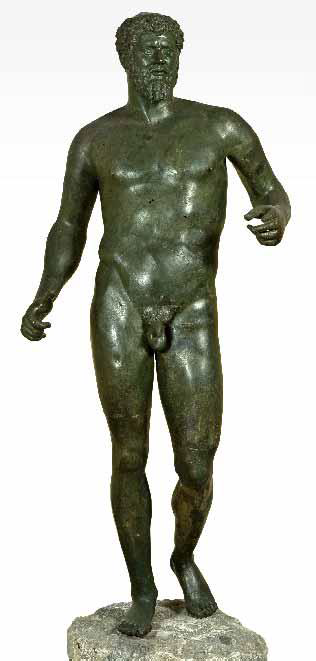
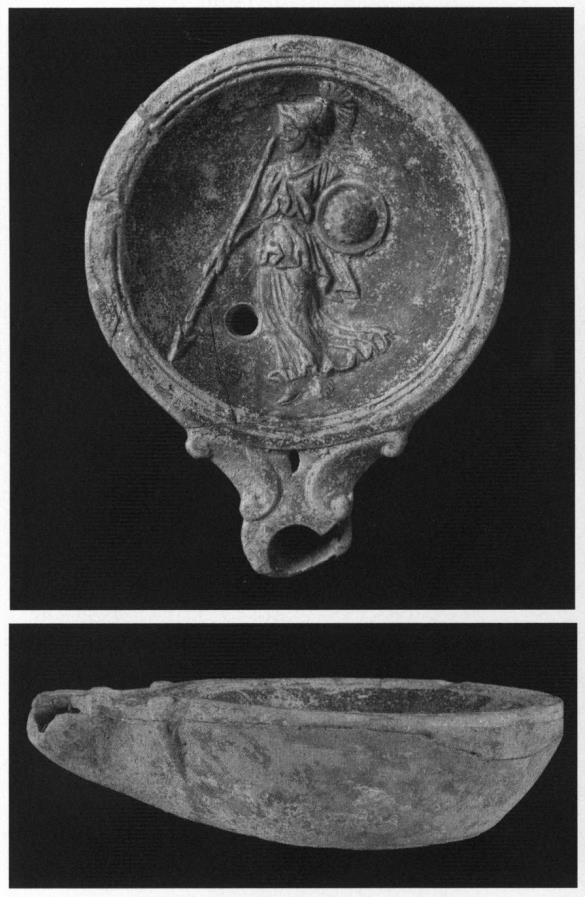
In 58 BC Rome annexed the island and in 30 BC it becomes a Roman province. Finally, in 22 BC it was proclaimed an imperial province and was governed by the Senate along with other territories that were no longer considered to be of strategic importance. As a result, for the next three centuries Cyprus went through a period away from violence, in a quiet and uneventful provincial life.
Bibliography, photos & Sources:
Department of Antiquities of Cyprus
The Metropolitan Museum of Art
The Cyprus Collection at the Museum of Cycladic Art.
The British Museum
Karageorghis, V.2010. Ancient Cypriot Art in the Leto and Costakis Severis Collection. A.G. Leventis F foundation, Nicosia.
Karageorghis, V. 2000. Ancient Art from Cyprus: The Censola Collection in The Metropolitan Museum of Art. New York
Pilides, D. & Papadimitriou, N. (eds). 2012. Ancient Cyprus: cultures in dialogue. Exhibition Organized by the Department of Antiquities Cyprus, on the Occasion of Cyprus’ Presidency of the Council of the European Union 2012. Nicosia: Department of Antiquities, Cyprus.
Pilides, D. & Halbertsma, R.B. (eds.). Cyprus: a Dynamic Island. Sidestone Press.
Lubsen-Admiraal, S.M. 2004. Αρχαία Κυπριακή Τέχνη¨Συλλογή Θάνου Ν. Ζιντίλη. Ίδρυμα Ν.Π. Γουλανδρή, Μουσείο Κυκλαδικής Τέχνης, Αθήνα
 cyprus archaeology gazette