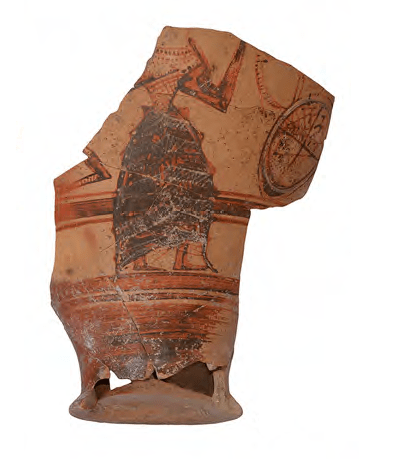
Cyprus during the Late Bronze Age (LBA) obtains a key role within the Mediterranean. The key geographical location of the island as well as the abundance of raw materials, particularly of copper and timber, transformed Cyprus onto a link of communication within the region, through which ancient populations where interacting. The city of Hala Sultan Tekke is one of the major sites of the Late Bronze Age [1650-1050 BC], along with Palaepaphos and Enkomi.
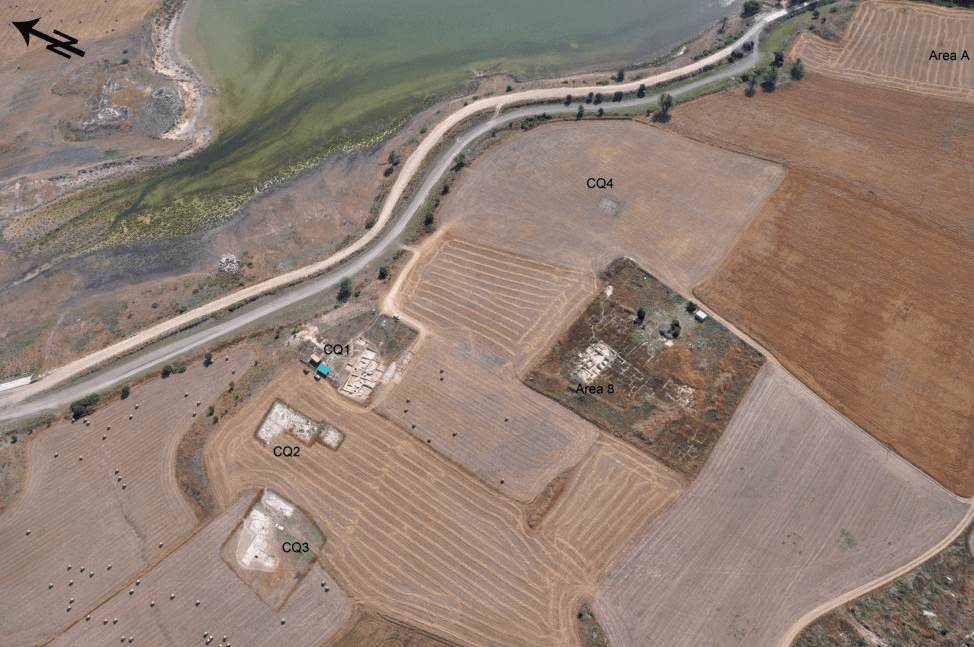
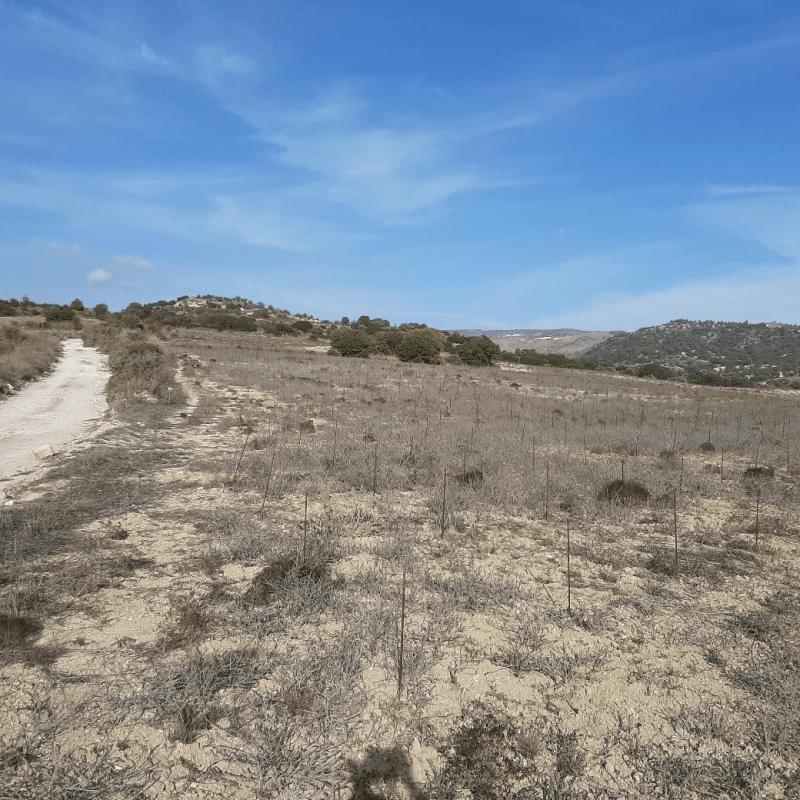
The city is situated in the area today called Dromolaxia Vizakia, just next to the Larnaka Salt Lake, at its south-wester coast (Figure 1). The Salt Lake today is isolated from the open sea but during the Bronze Age was connected to the sea and functioned as an anchorage for the city. The sheltered harbour hold a key role for the city’s development and prosperity. The harbor was used for the exportation and import of goods and a variety of items (Fischer, 2019a; 2019b). Evidences indicate that c. 1000 BC the Salt Lake was silted up. This procedure lead to the decline and subsequently abandonment of the city in the end of the 12th c. BC (Nys, 2012; Fischer, 2019a; 2019b).
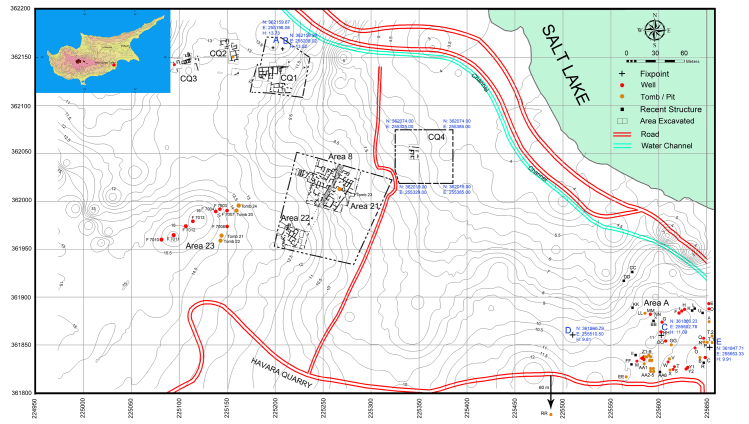
Figure 2. The city was founded and flourished at the south-eastern coast of the island, at the coast of the Larnaka Salt Lake, becoming a major urban centre of extensive trade and communications within the Mediterranean.
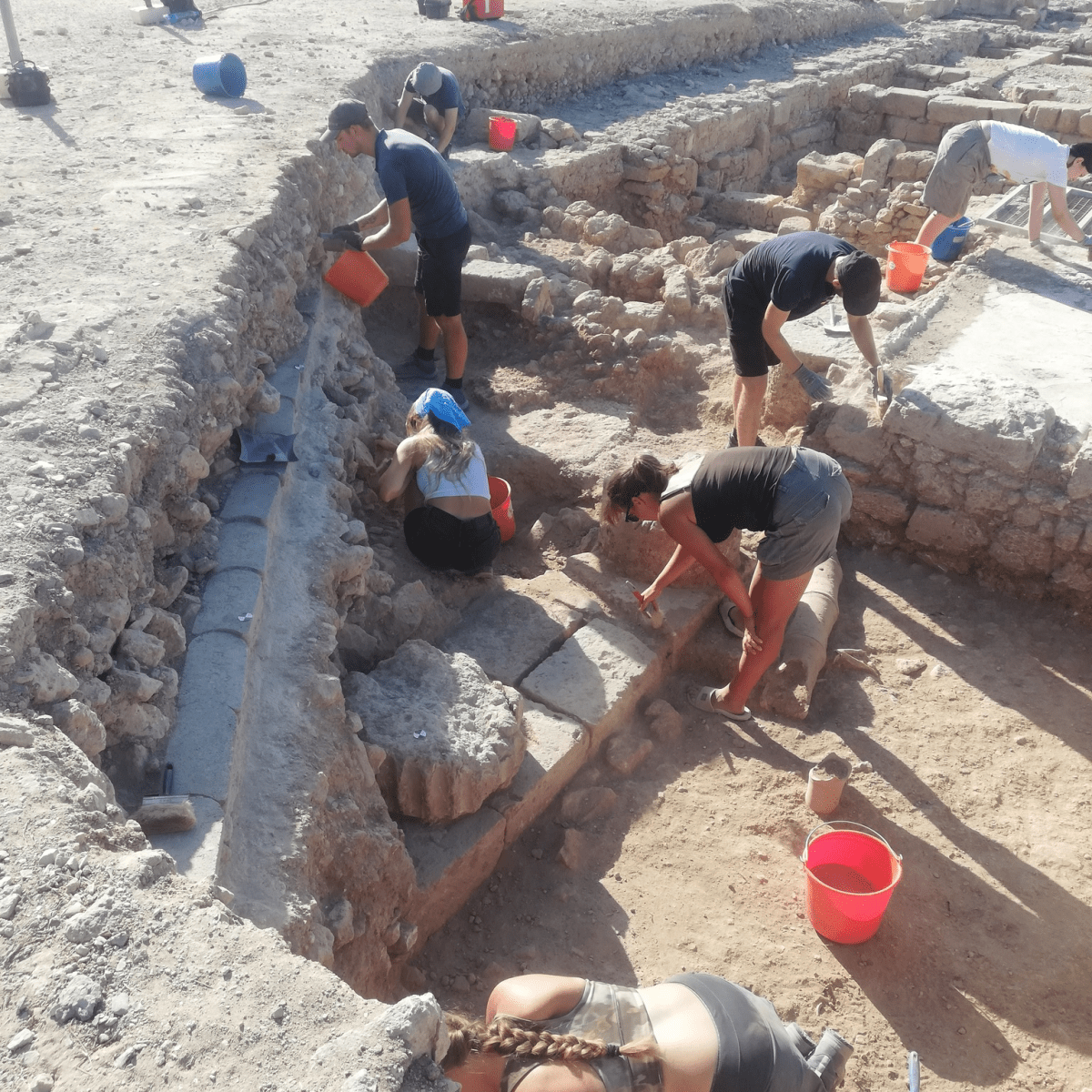
Hala Sultan Tekke has a long history of research, dating back to the late 19th c. AD. In 1894, J.L. Myres has conducted initial investigations by excavating trenchers on the west area of the Larnaka Salt Lake. In 1897 and 1898 the British Museum excavated a number of tombs [Middle Cypriot to the Late Cypriot IIC, 15th to 13th c. BC], near the mosque of Hala Sultan Tekke. The first professional excavations at the site have been conducted by the Department of Antiquities of Cyprus under the direction of Vassos Karageorghis in 1968. Systematic field investigations have been started in the 1970s’ by the Swedish scholar Paul Åström from the University of Gothenburg, which lasted for several decades (1976-2005). Since 2010 the ‘’New Swedish Expedition’’ under the direction of Peter Fischer (University of Gothenburg) continues the systematic investigation and excavations at the site.
The archaeological contexts excavated through the years, revealed that the city flourished during the 13th century and the beginning of the 12th century BC and was abandoned by the end of the 12th century BC. The city was developed based on a sophisticated city-planning, with orthogonal layout, ashlar masonry and with well-defined quarters and streets (Figure 3). The majority of the buildings consist of a courtyard surrounded by rooms (Nys, 2012).
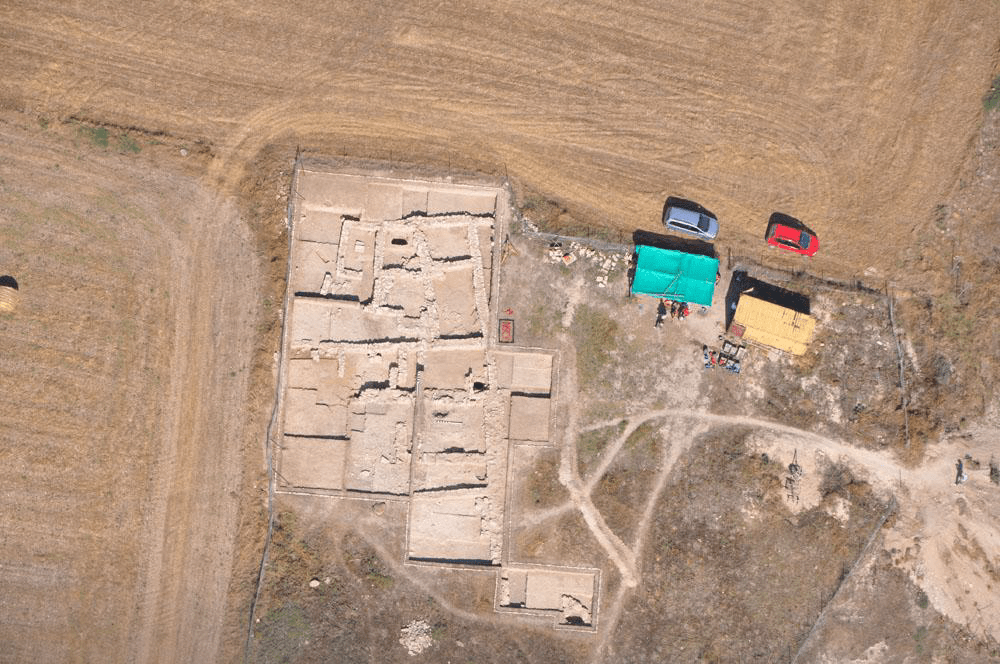
HST was locally producing a variety of goods that were likely exported as exchange for the acquisition of raw materials such as ivory and gold. The excavations of the ”New Swedish Expedition” revealed significant evidence of the industrial activities taking place within the city, in-situ. Several rooms were identified as storage rooms while others as workshops of specialized craftsmen for ,metalworking, jewellery, pottery and purple-dyed textiles.
Excavations of wells brought to light unworked as well as worked pieces of elephant and hippopotamus tusks (Figure 4), an indications that ivory was imported through the harbour and processed into items, such as combs and inlays for furniture and boxes (Nys, 2012).
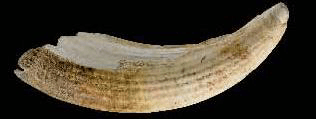
Figure 4. Ivory tusks of hippopotamus from Hala Sultan Tekke. (Nys, 2012).
The latest excavations indicate that copper working and production was extensive at Hala Sultan Tekke. Among the excavation findings are copper slags, raw copper and ore, remains of furnace, torchers/ tuyères, moulds for the production of arrow heads and tools (Figure 5). These evidence are a strong indication that primary and secondary smelting was taking place at Hala Sultan Tekke. This discovery suggests urban copper production at HST (Nys, 2012; Department of Antiquities, 2013; Fischer, 2019a; Fischer, 2019b).
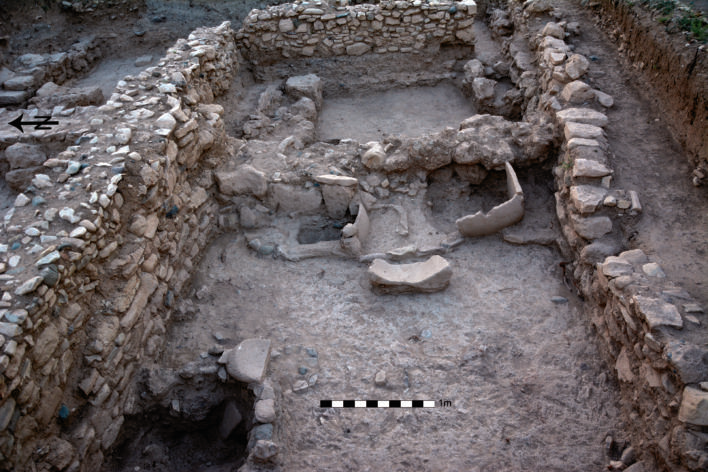
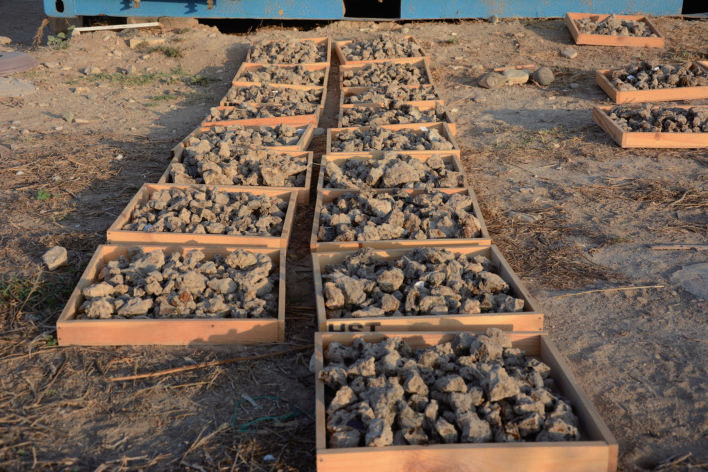
Figure 5. Left: storage area in foreground; room with furnace in background, Right: Slag and ore from (Fischer, 2019a).
The material culture excavated within the city as well as in the cemetery of HST, illustrates its commercial contacts within the Eastern Mediterranean, namely with the Greek Mainland, the Aegean, the Levant, Egypt and Sardinia. The majority of the imported ceramics is Mycenaean and Minoan but there are abundant evidence illustrate the vast intercultural connections across the Mediterranean, from the west to the east. Imported pottery from Sardinia, Anatolia, Egypt, and the Levant as well as the luxurious items such as gold jewellery, precious stones and ivory justify the cosmopolitical character of the city (Fisher, 2019b).
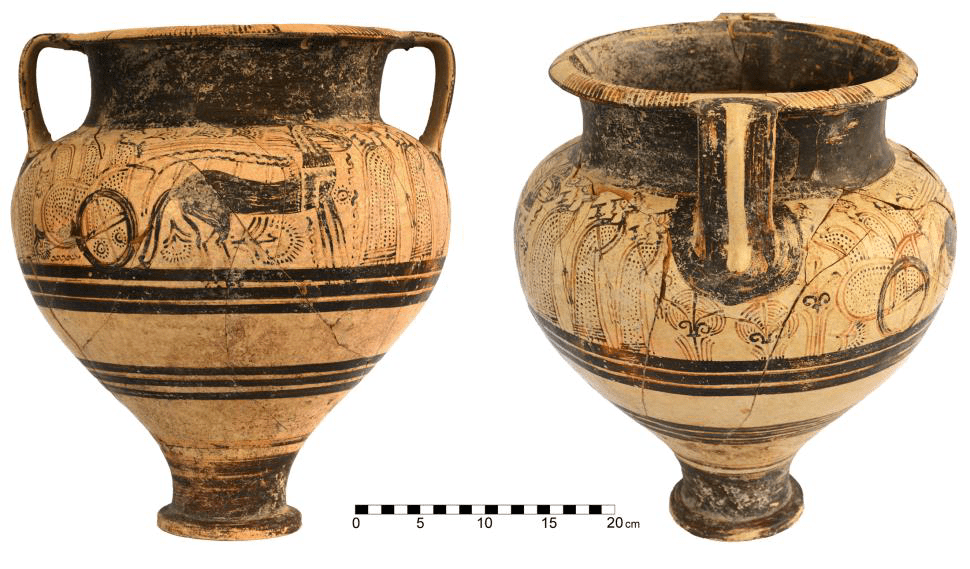
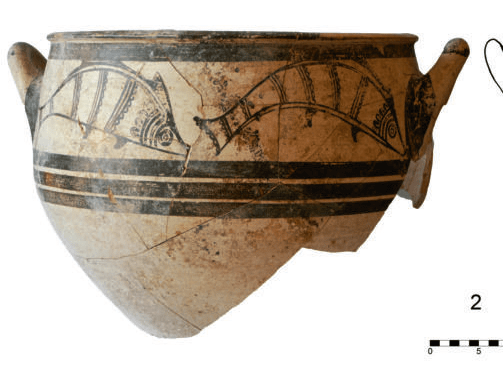
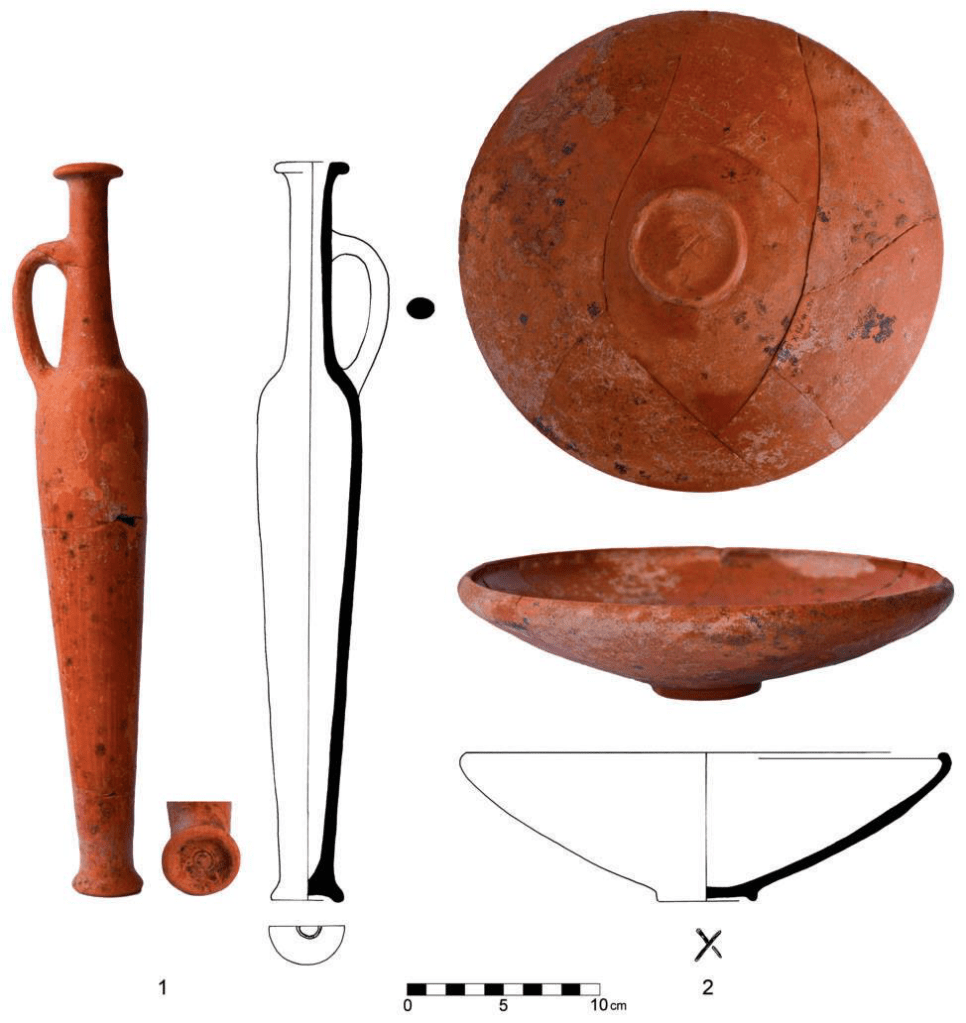
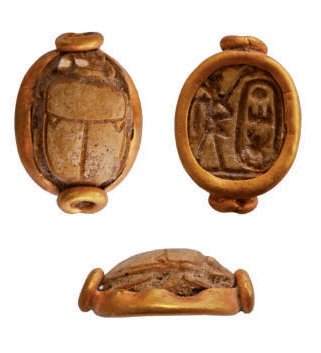
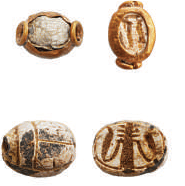
The evidence from Hala Sultan Tekke illustrate that the city was a thriving community with local as well as external relations and interactions. According to Fisher (2019a), the several workshops, manufacturing and the luxurious items display the elevated status of the people working and living there while the variety of imports illustrate an extensive trade and commercial activities with the major civilisations of the Late Bronze Age.
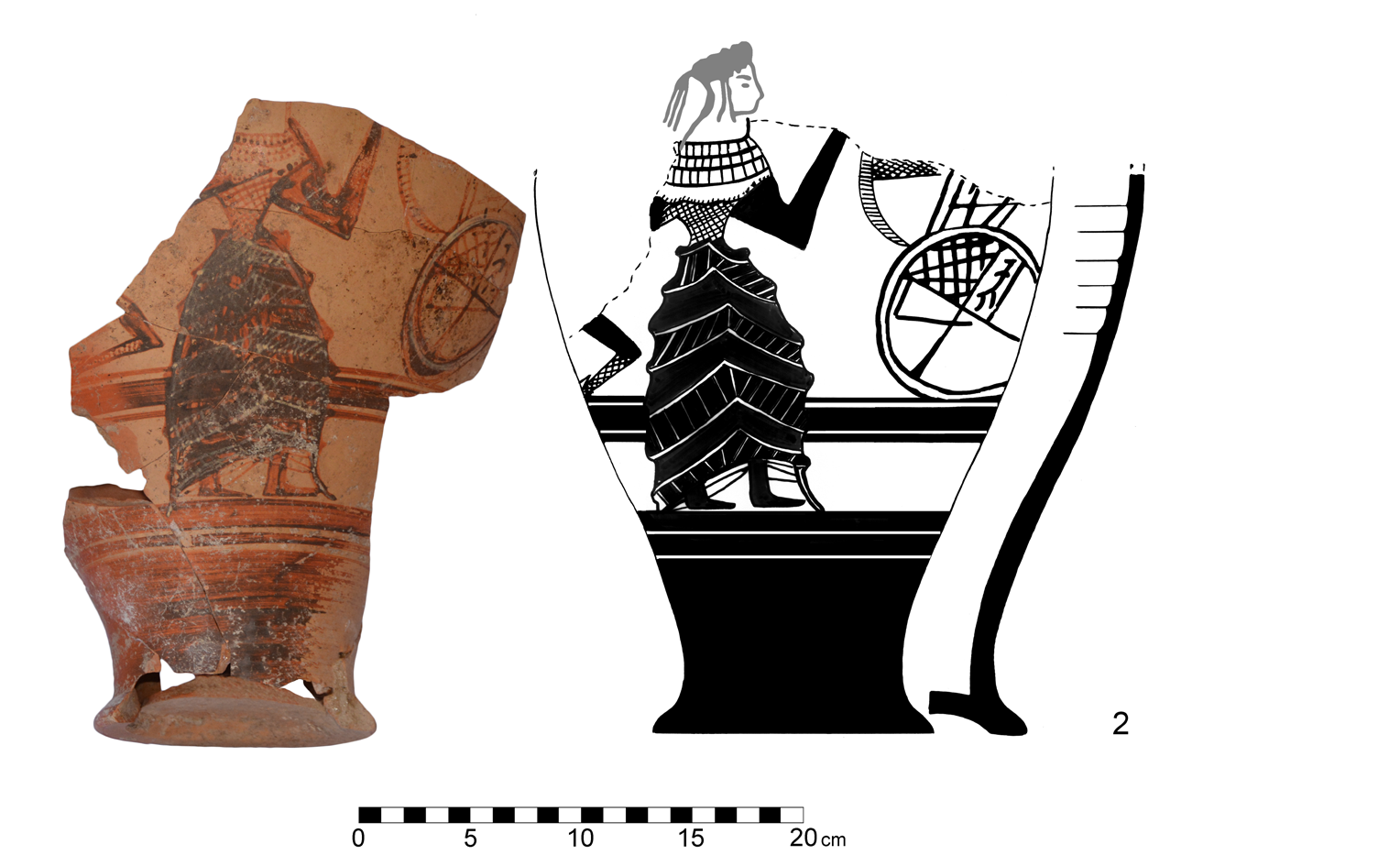
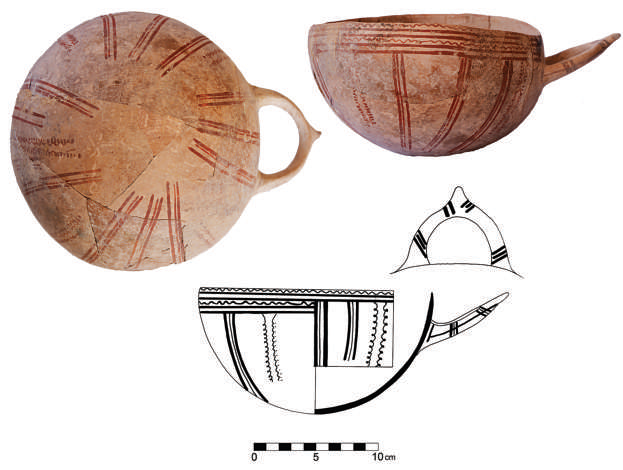
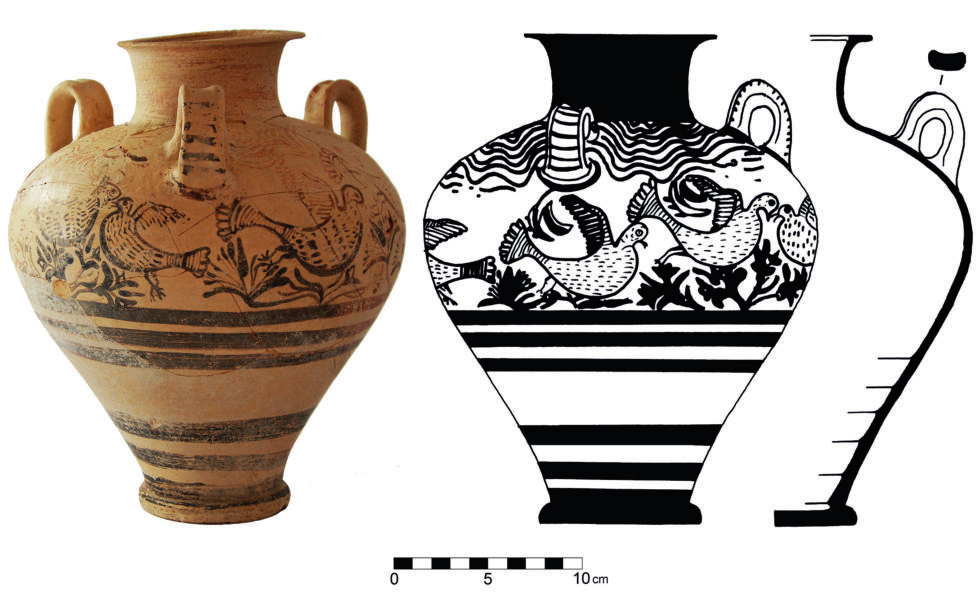
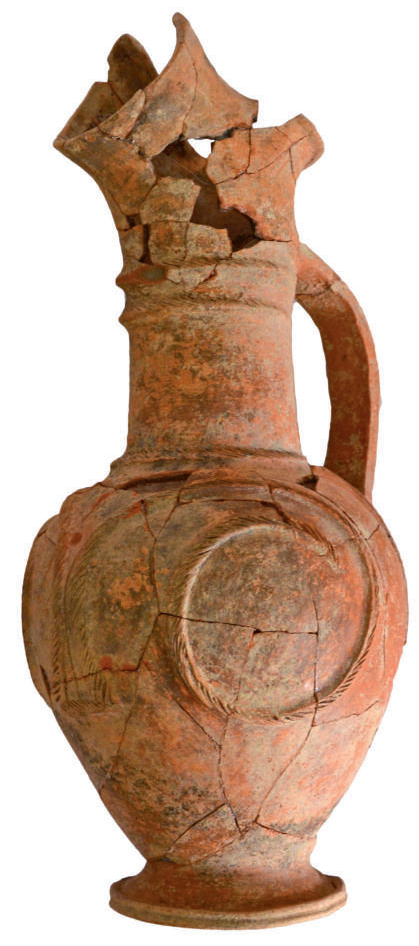
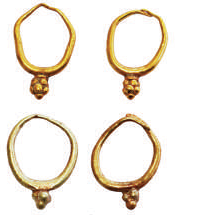
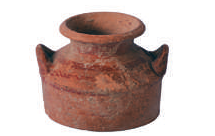
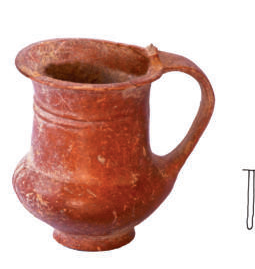
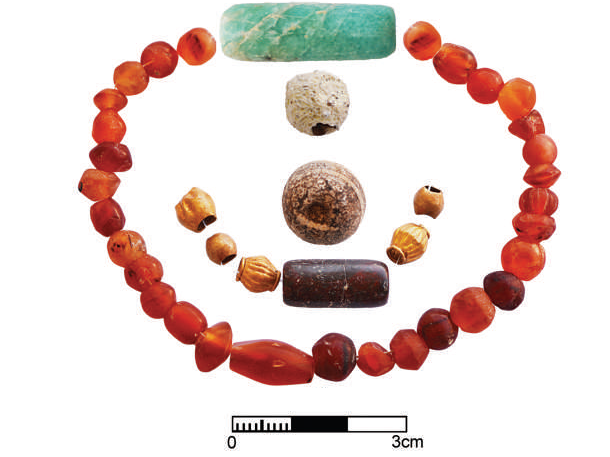
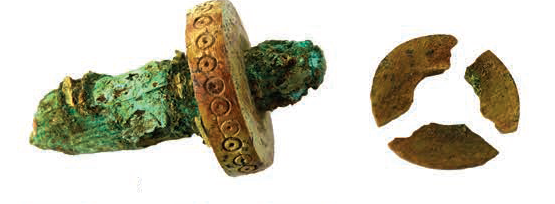
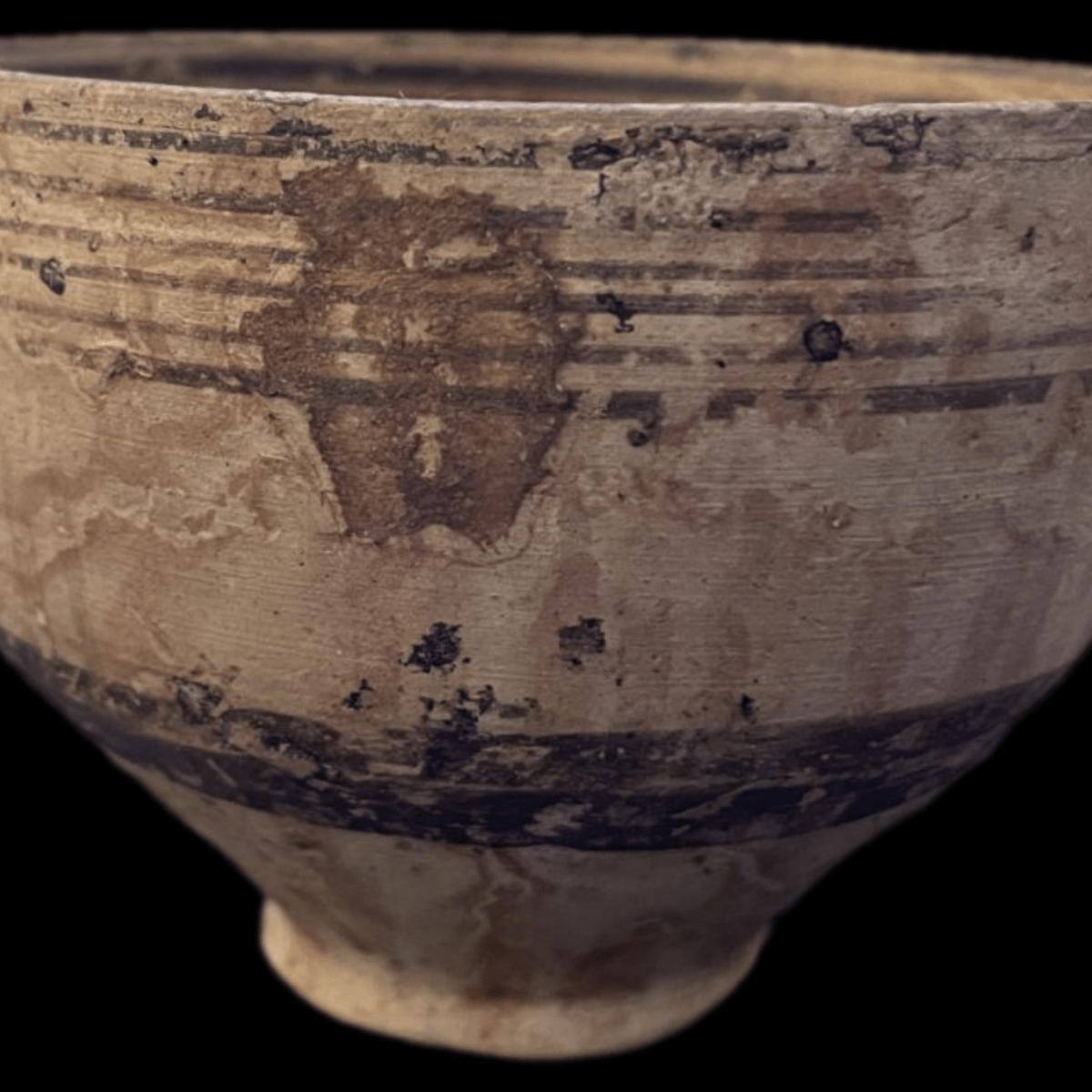
Figures: Locally produced and imported items excavated at HST
The decline and abandonment of Hala Sultan Tekke took place during a period known as the ‘’crisis years’’ which marked the end of the Bronze Age in the Mediterranean. This period coincided with the ‘’Crisis Years’’ and the ‘’Sea Peoples Phenomenon’’ and lasts from the end of the 13th c. BC to the first half of the 12th c. BC. During this period, several Cypriots sites were destroyed and/or abandoned. Hala Sultan Tekke continued to prosper until it was destroyed and subsequently abandoned in the end of the 12th c. BC (Fischer and Bürge, 2018; Fisher, 2019b).
Research and Text: Cyprus Archaeology Team
Bibliography & Sources
Bürge, T. and Fischer, P.M. 2017. New Insights on Burial Practices at the Late Bronze Age City of Hala Sultan Tekke, Cyprus. Ugarit-Forschungen 48, 121–171.
Department of Antiquities of Cyprus, 2012. New Swedish Mission Excavations at Hala Sultan Tekke. Press Release.
Department of Antiquities of Cyprus, 2013. New Swedish Mission Excavations at Hala Sultan Tekke. Press Release.
Fischer, P.M. and Bürge, T. 2020. The New Swedish Cyprus Expedition 2019: Excavations at Hala Sultan Tekke (The Söderberg Expedition). Opuscula. Annual of the Swedish Institutes in Athens and Rome 11, 73-111.
Fischer, P. 2019a. The Occupational History of the Bronze Age Harbour ity of Hala Sultan Tekke, Cyprus. In M. Bietak et al., (eds.) Egypt and the Levant, International Journal for Egyptian Archaeology and Related Disciplines, Austria.
Fischer, P. 2019b. Hala Sultan Tekke, Cyprus A Late Bronze Age Trade Metropolis. Near Eastern Archaeology, 82(4).
Fischer, P.M. and Bürge, T. 2018. Two Late Cypriot City Quarters at Hala Sultan Tekke: The Söderberg Expedition 2010—2017. Studies in Mediterranean Archaeology, 147. Åström: Uppsala.
Fischer, P.M. and Bürge, T. 2018. The New Swedish Cyprus Expedition 2017: Excavations at Hala Sultan Tekke (The Söderberg Expedition). Preliminary Results. Opuscula. Annual of the Swedish Institutes in Athens and Rome 11, 29–79.
Nys, K. 2012. Late Bronze Age Case Study: Hala Sutlan Tekke. In D. Pilides and N. Papadimitriou, (eds). 2012. Ancient Cyprus: cultures in dialogue. Exhibition Organized by the Department of Antiquities Cyprus, on the Occasion of Cyprus’ Presidency of the Council of the European Union 2012. Nicosia: Department of Antiquities, Cyprus
Note: all photos derive from the selected bibliography as listed above

 cyprus archaeology gazette