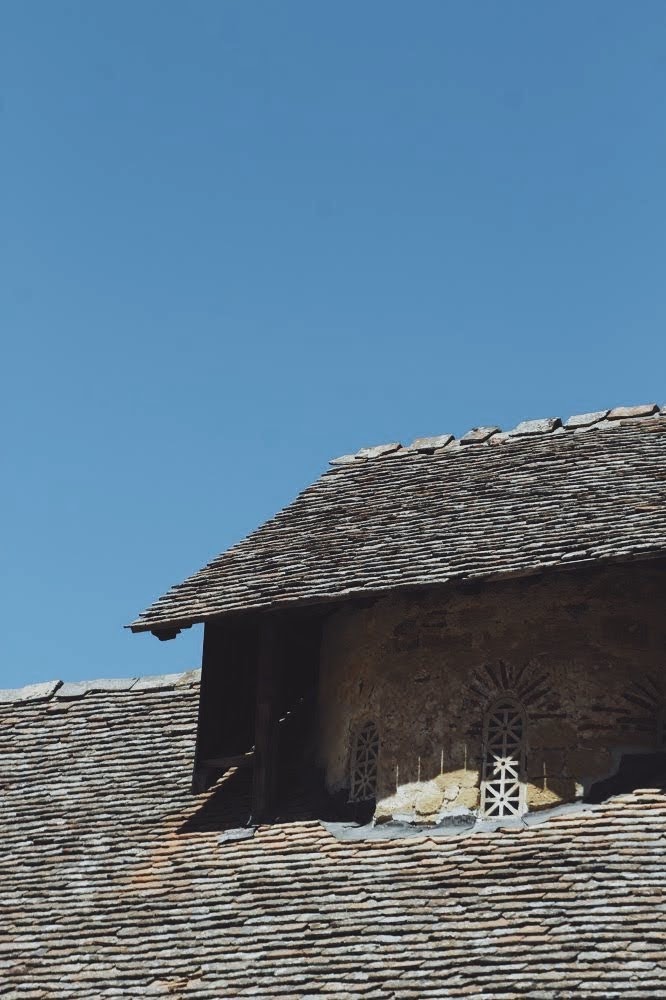
The church of Panagia tou Arakos (Our lady) is situated in the central part of Cyprus, in the heart of the Troodos range. Some of the most important monuments of the Byzantine and pot-Byzantine period are situated in Troodos mountains. The monuments are decorated with unique wall paintings dating from the 11th to the 19th century. Due to their uniqueness and cultural importance they have been declared as monuments with World Cultural Heritage status by UNESCO.
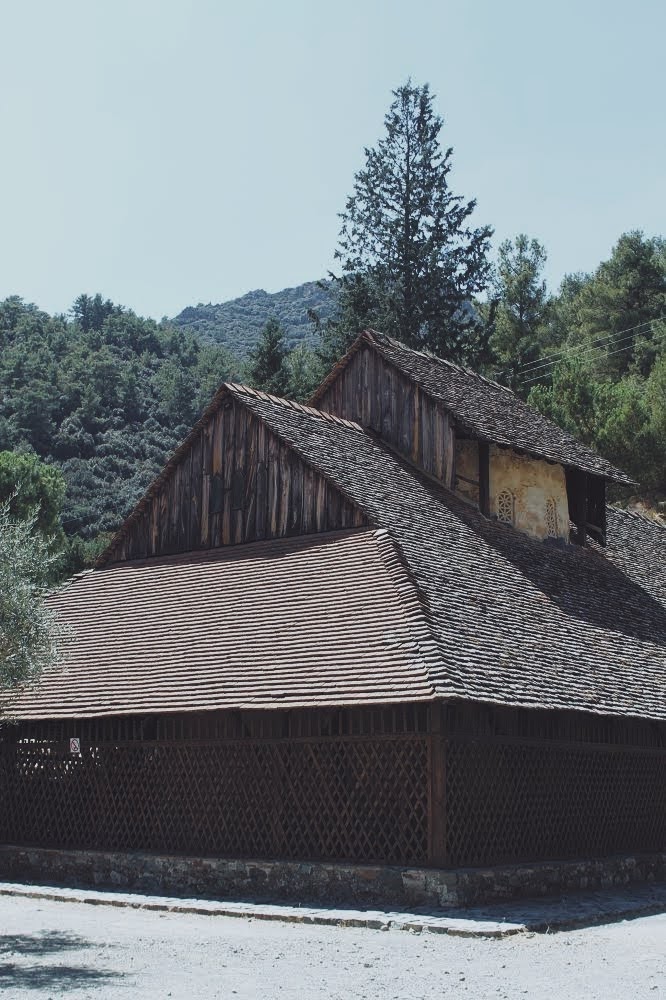
Panagia tou Arakos is situated in the area of Pitsilia, between the villages of Lagoudera and Saranti. In 1985 it was inscribed on the UNESCO World Heritage List, which includes nine other painted Byzantine churches of the Troodos range.
The church is a single-aisled domed structure with a cross-shaped roof. At some point during the late 14th century, it was covered with a protective timber roof with flat tiles. The dome is covered by a separate wooden roof, a feature which is unique amongst the churches of Troodos. During the 18th century the church was extended to tis west.


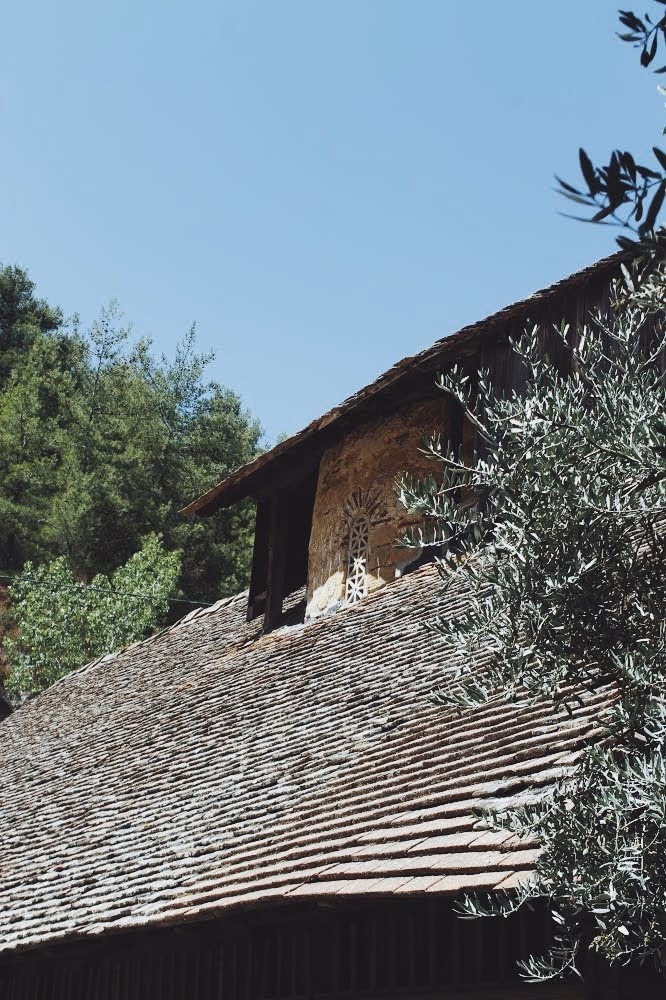

Acording to the Department of Antiquities of Cyprus (http://www.mcw.gov.cy/mcw/DA/DA.nsf/All/9690D7CC438FE731C2257199003197BB?OpenDocument), Panagia tou Arakos used to be the katholicon (monastery church) of a monastery bearing the same name, which seems to have been built during the second half of the 12th century, when monastic life was flourishing in Cyprus. When Vassili Barsky, a Russian monk, visited the island in 1735, the monastery was almost abandoned and was only inhabited by three monks. According to other written sources, the monastery survived until the first decades of the 19th century. Today, apart from the church, a two-storeyed monastery building survives to the north, used as the priests’ residence. It is not clear however, whether it was intended for the church to be a monastic one. Initially the church may have been a private chapel. Its name may derive from the word ‘arakas‘, (a type of pea), or ‘ierakas’ (hawk).
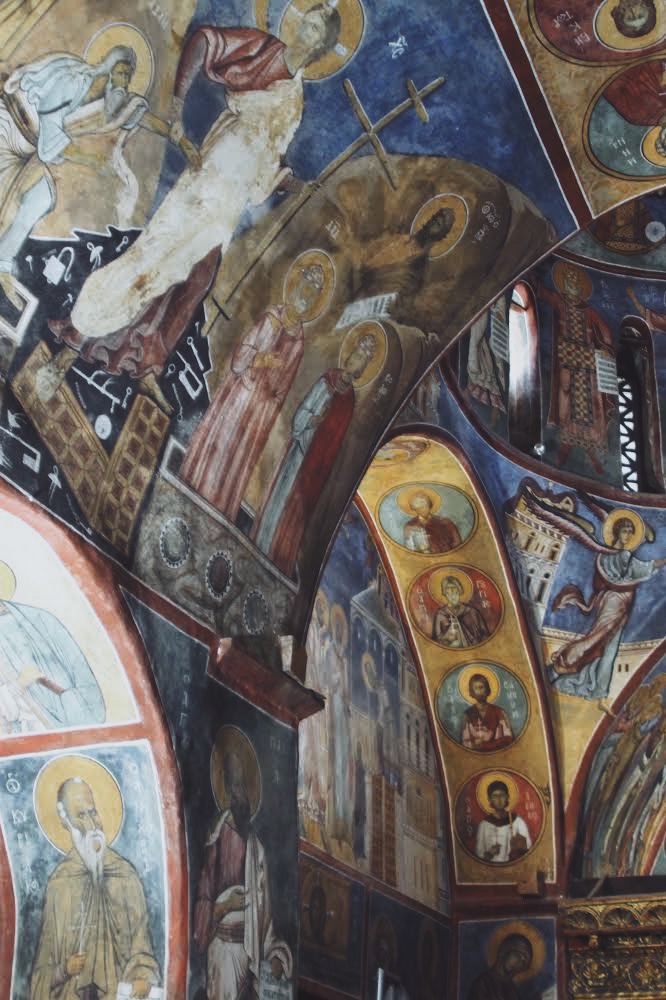
The church in its interior is decorated with beautiful wall-paintings. The wall-paintings were created in 1192, according to an inscription above the north entrance. According to the same inscription, the church was decorated with the donations of Leon Afthentis in December of the year 1192. The paintings are of exceptional quality and follow the late Comnenian style, constituting one of the most complete series of frescoes of the Middle Byzantine period in Cyprus. Both the style and the iconographic programme express the trends of the art of Constantinople.
Info: Department of Antiquities of Cyprus
Photographs: Cyprus Archaeology

 cyprus archaeology gazette