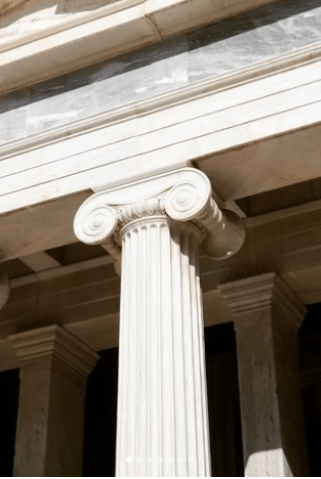
The story of the Cyprus Museum goes back to the late 19th century. The first museum of the capital was situated in Victoria street, today in the buffer zone of Nicosia city. It was founded in 1888 as a privately run institution with central aim to house and protect the finds that started to come to light during the first legal excavations (read more here) undertaken during the British rule of the island.
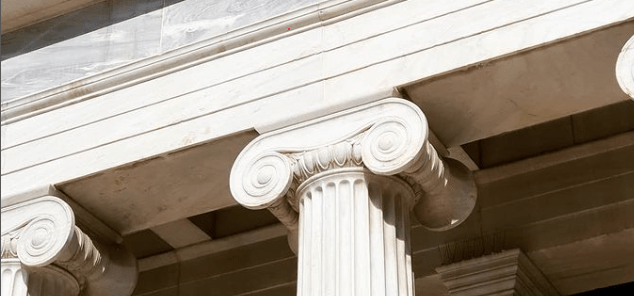
The Cyprus Museum, as we know it today, was created in May 1908 and was part of the essential developments towards the establishment of archaeology in Cyprus and the need of the Cypriots during the period of English Rule, for a museum, in which objects representing their cultural heritage and identity could be housed and protected.
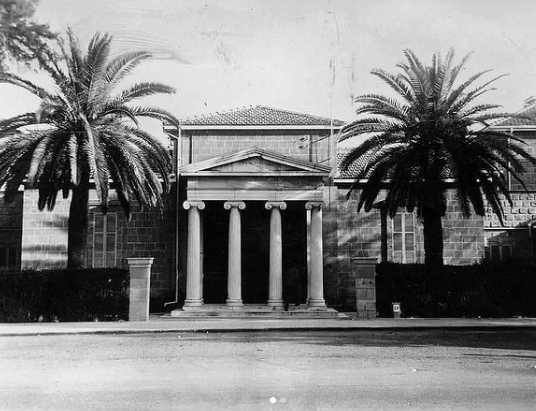
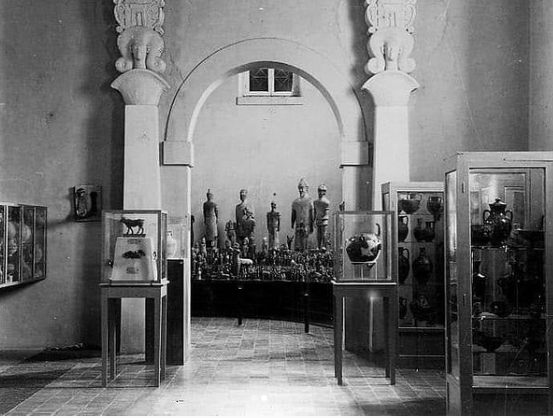
The first law concerning archaeology was voted in 1905. The Law stipulated the establishment of the Cyprus Museum. Prior to the founding of the Department of Antiquities, the Cyprus Museum was under the management of the Cyprus Museum Committee, chaired by the British governor. The continuously growing number of finds from systematic excavations which were mainly undertaken by foreign missions, such as the Swedish Archaeological School mission, forced the museum’s committee to look for new premises for the exhibition and the storage of the finds (Pilides, 2012; DoA).
In 1935, a new Archaeological Law was voted and the Department of Antiquities was officially founded. This was a milestone for the development of Cypriot Archaeology and the Cyprus Museum as it gave the opportunity to the Museum to become fully official. Many significant excavations were undertaken by Cypriot researchers and brought to light some of the earliest phases of settlement in the island, establishing the historical evolution of Cyprus and enriching the collections of the Museum with important finds. With the island’s independence in 1960, Cypriot archaeology further flourished since it was at last possible for it to confront its relative isolation and to confirm its position in the front line of international archaeological research (DoA).
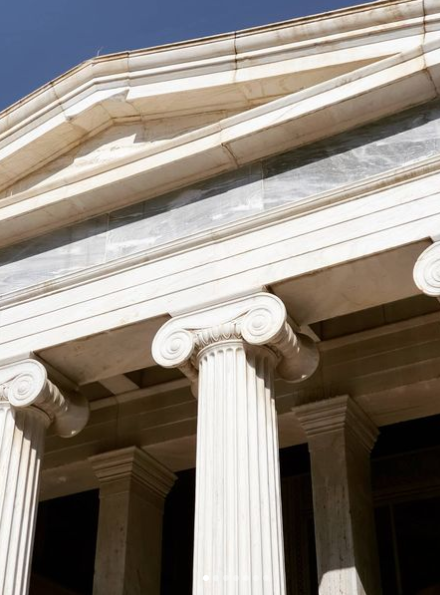
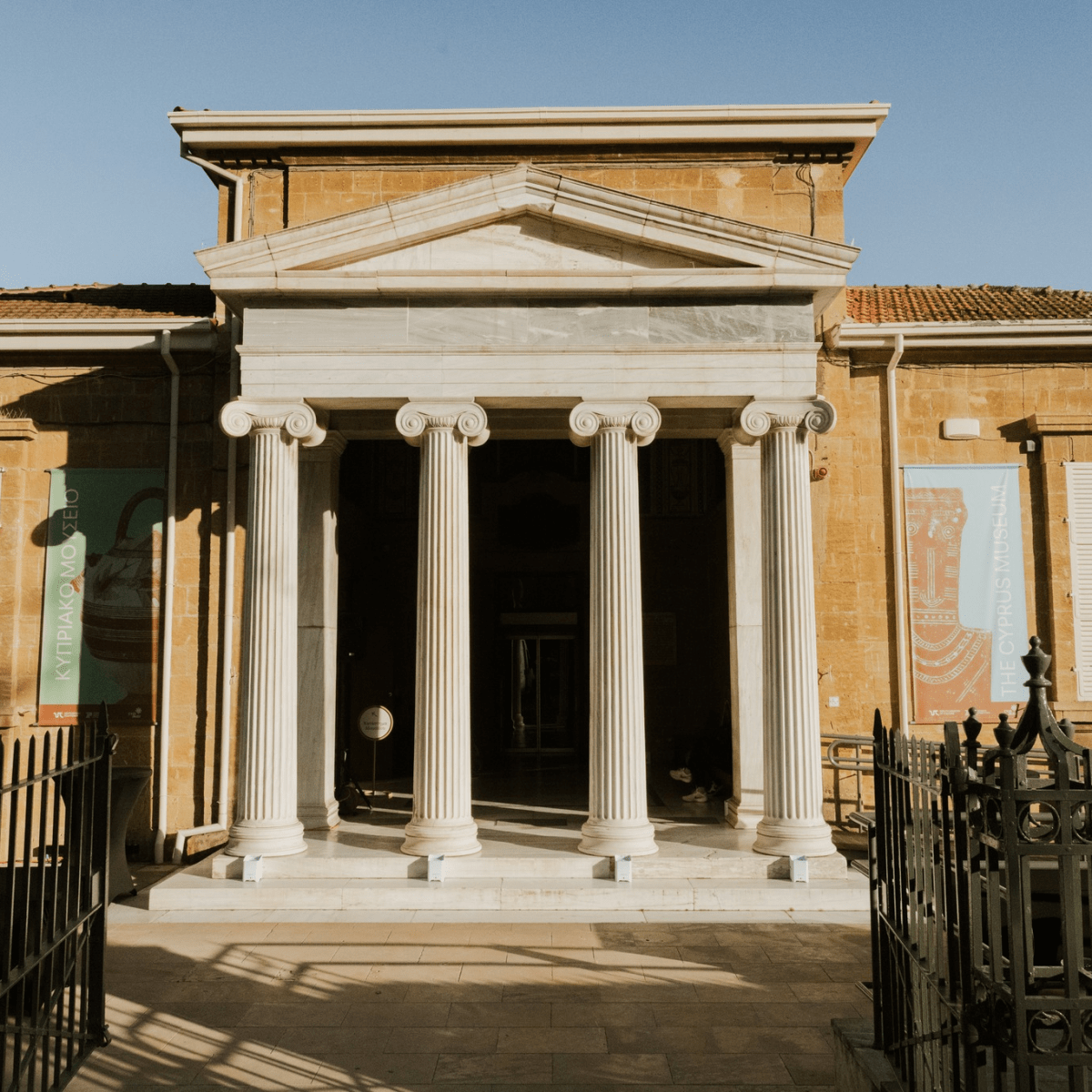
Cyprus Museum is situated in Museum St, near the House of Representatives of Cyprus. The façade of the building is an exact replica of the temple of temple of Apteros Nike on the Acropolis, Athens, combined with elements of colonial architecture. The architect of the Museum was George Jeffery who was also the first Curator of Ancient Monuments.
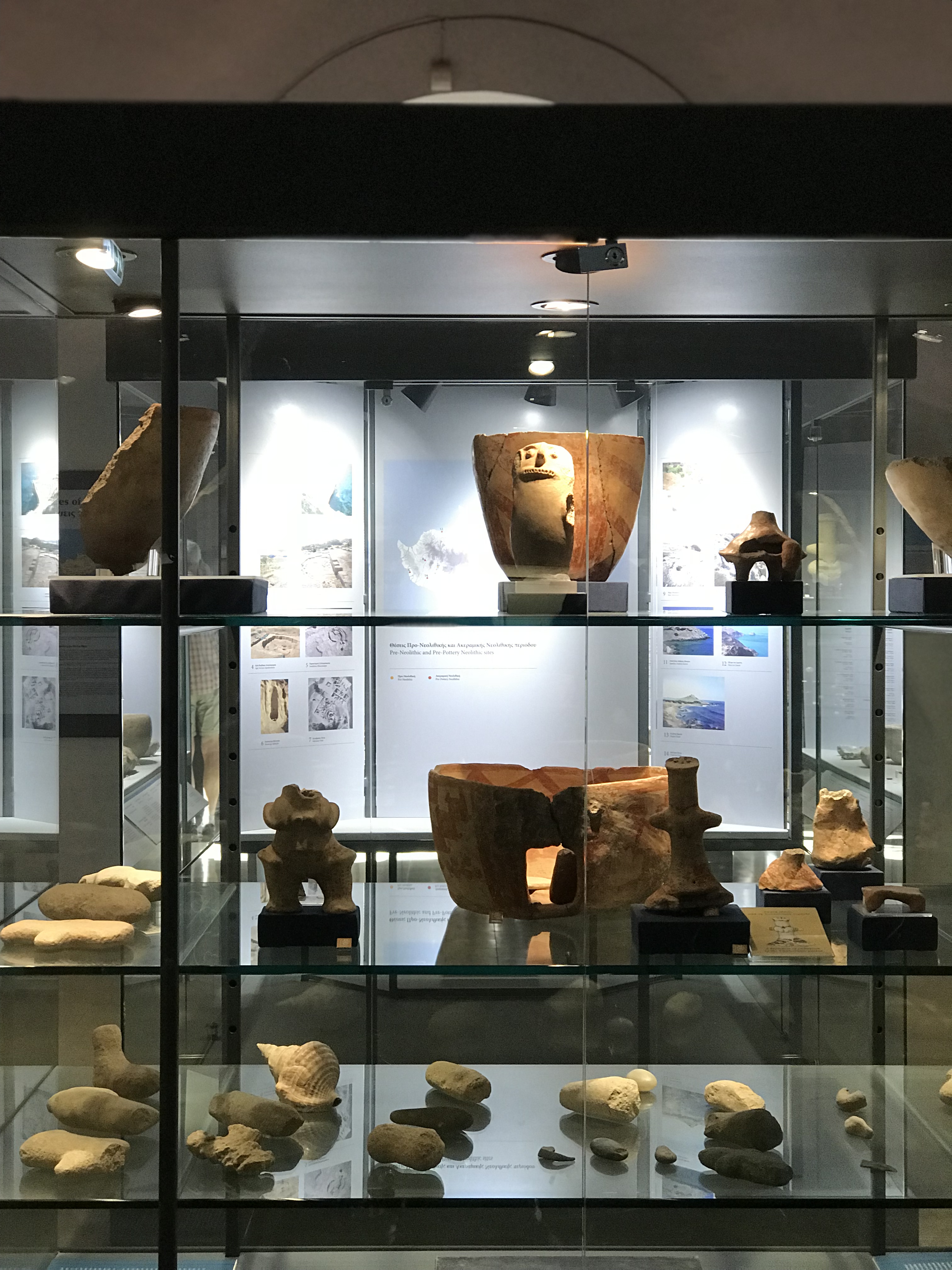
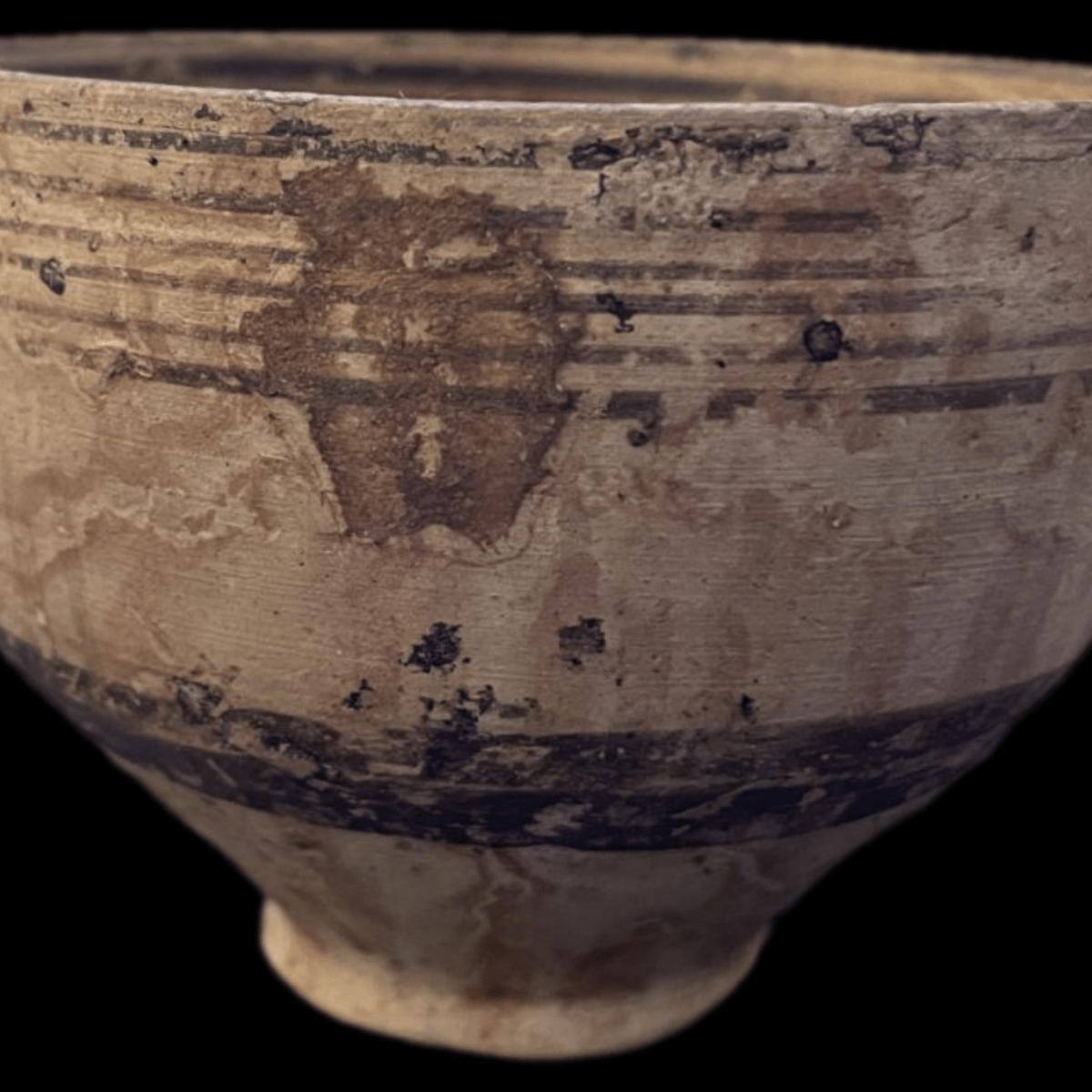
The Cyprus Museum consists of fourteen rooms surrounding a square central area and is comprised of offices, a library, storerooms and areas for preserving and studying items in the collection. The objects in the rooms follow a chronological and a thematical succession. The collections in Room I include objects linked to the earliest evidence of human presence on the island during the Neolithic period. Room II is dedicated to the rich collection of pottery of the Early Bronze Age while in Room III reference is made to the evolution of pottery from the Middle Bronze Age to the Roman period. he exhibited objects demonstrate the rich local ceramic tradition of Cyprus but at the same time special reference is made to the imported Mycenaean, Phoenician and Attic pottery as well as to faience objects, which played a vital role in the establishment of the local pottery style. The imported Mycenaean craters and the locally produced Archaic vessels of the “free-field” style are given a prominent position.
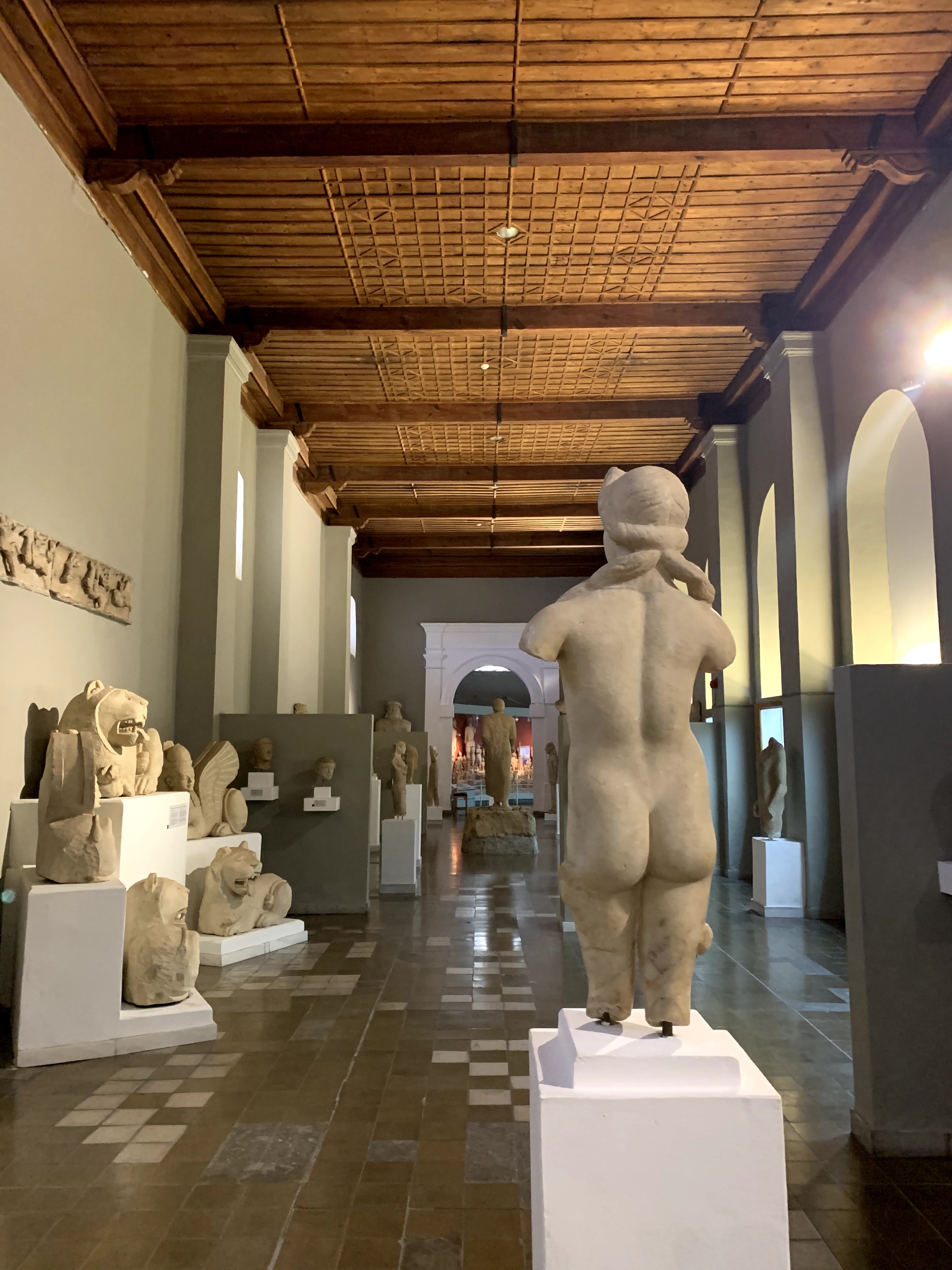
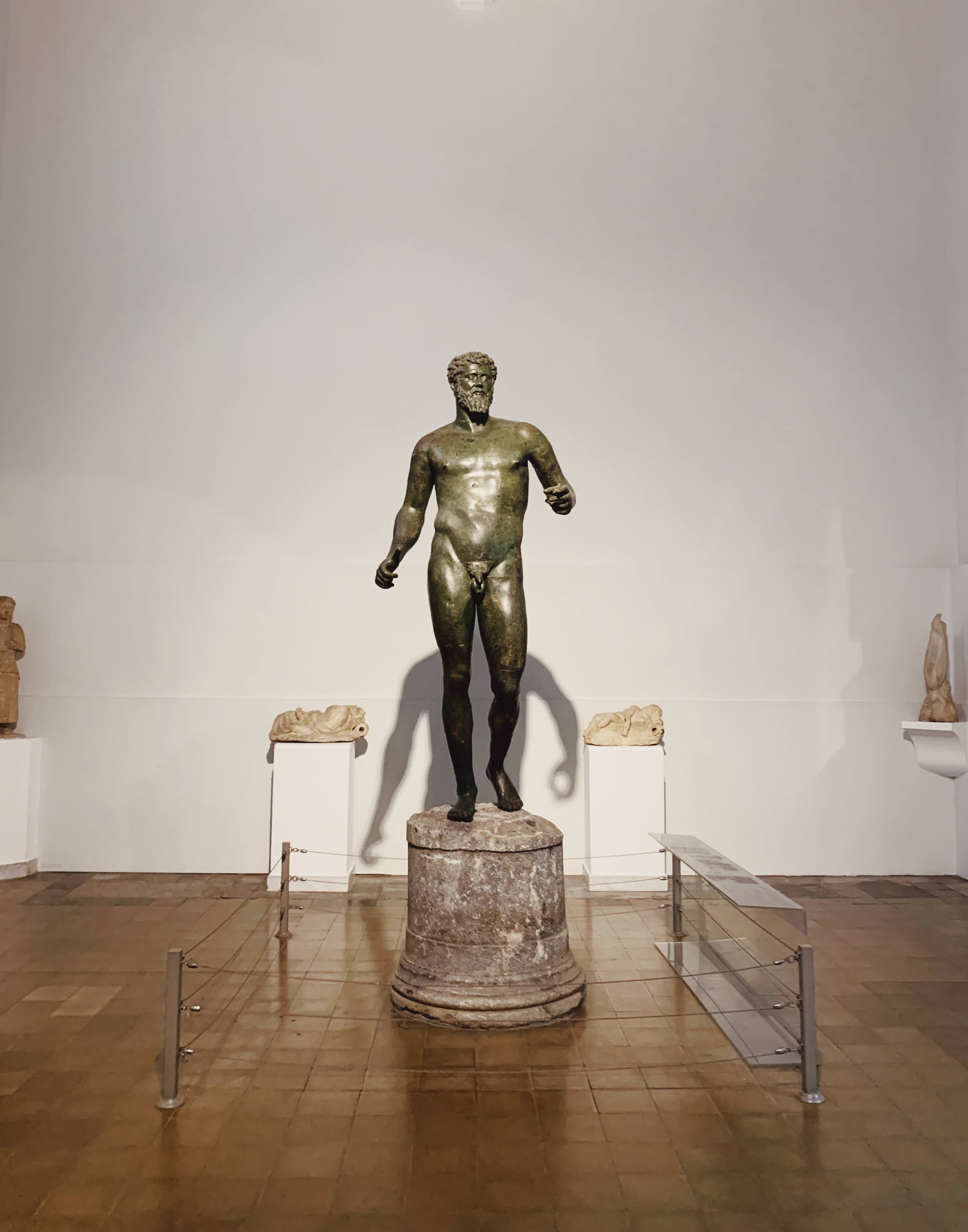
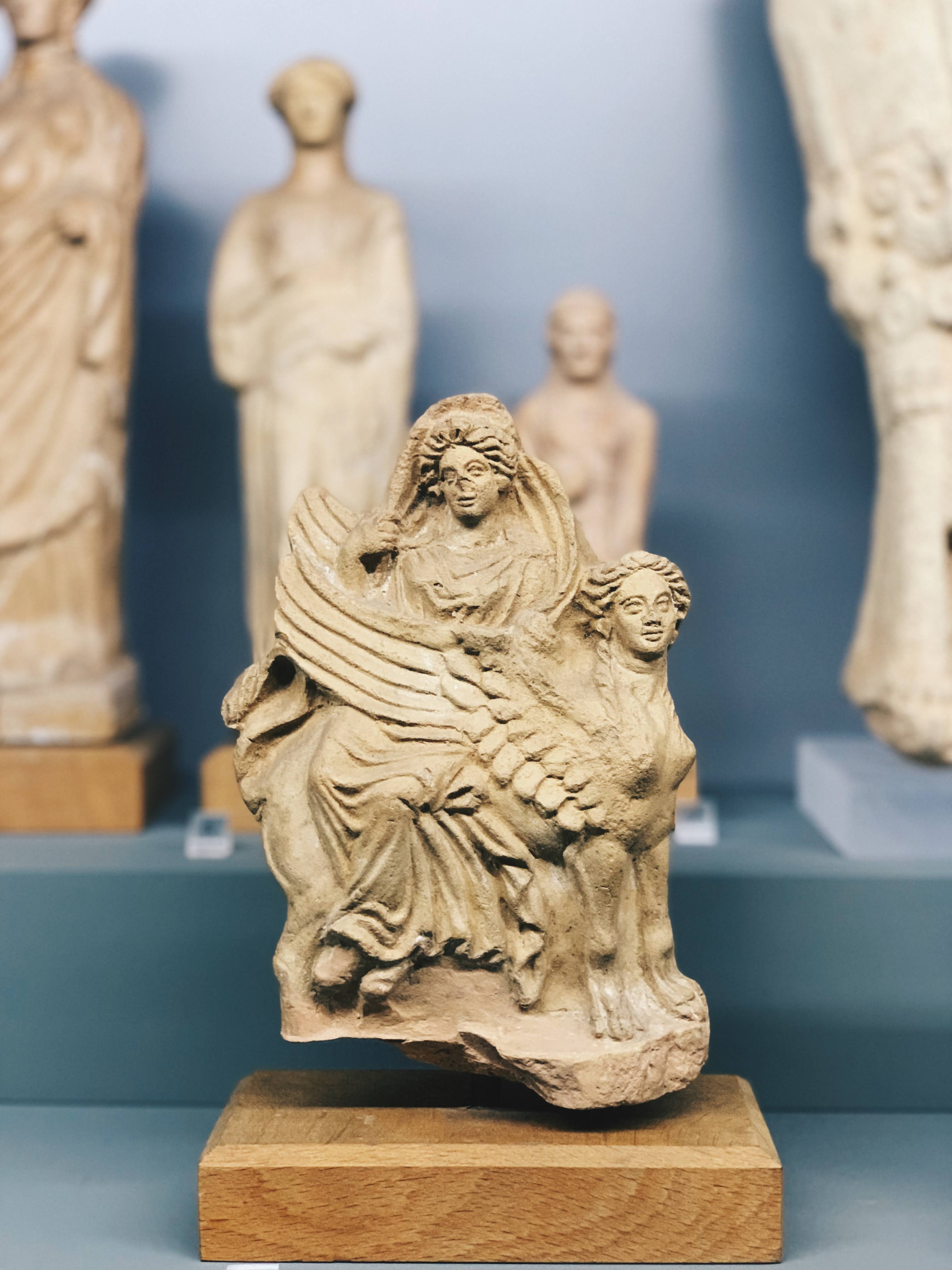
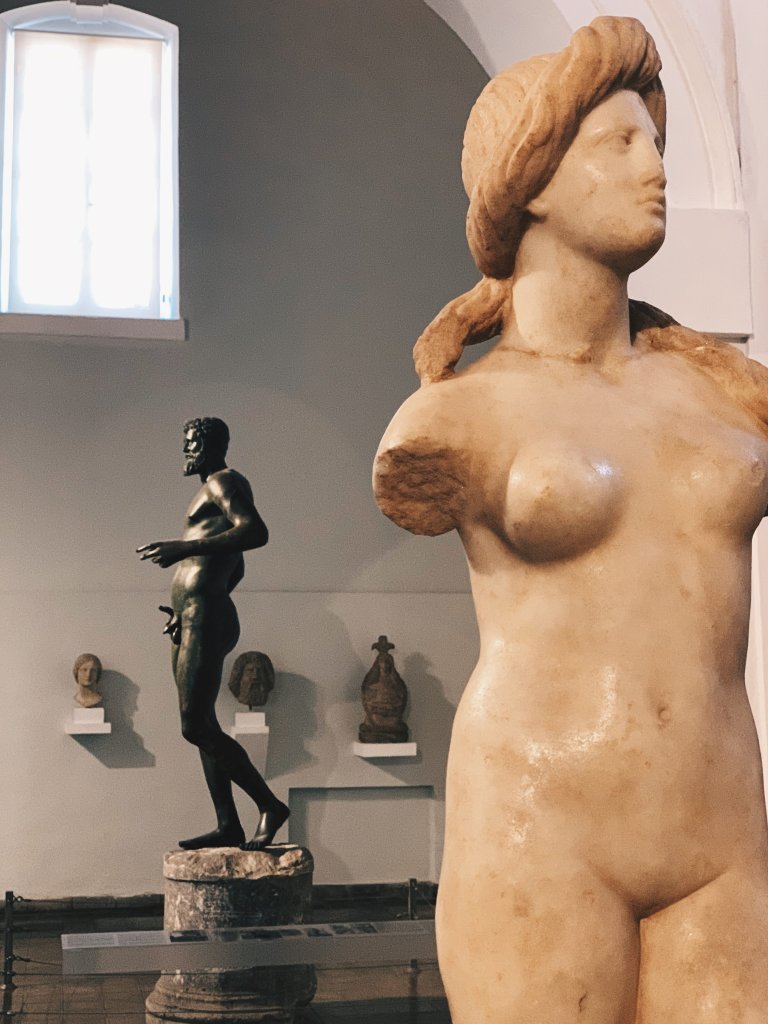
The next rooms, Room IV and Room V display figurines and statues, dating from the Archaic to the Classical Period while Room VI displays marble and bronze statues of the Hellenist and Roman periods.
In 2016, the Cyprus Government announced the commencement of the International Architectural Competition for the New Cyprus Museum. The main objective of the construction of a new museum lies on the fact that will enhance the cultural experience of both the local population and the foreign visitors of Nicosia in general. According to official governmental statements, ”Cyprus was pivotal in the development of ancient civilisations of the Eastern Mediterranean. It is, therefore, of the outmost importance that the testimonies of this historical past are exhibited in an appropriate context”. XZA-architects (http://xza-architects.gr/en/new-cyprus-museum/) were the winner of the architectural competition.
Here you can watch an interesting documentary about the Cyprus Museum, filmed in 2014 and directed by Giorgos Koumouros. The documentary seeks to light the story behind the creation of the first archaeological museum of Cyprus in the late 19th century, in Nicosia, and the later establishment of the Cyprus Museum in the early 20th century. Enriched with archival material of the time, the film depicts the historical development of the island, by presenting archaeological sites and finds of archaeological excavations, which are exhibited in the halls of the Cyprus Museum, and cover the period from the early years of human presence on the island (10th millennium BC) until the Roman period.
Research and Text: Cyprus Archaeology Team
Bibliography & Sources:
Department of Antiquities official website
Pilides, 2012. From treasure hunting to systematic excavation. In D. Pilides and N. Papadimitriou, (eds.), Ancient Cyprus: cultures in Dialogue. Department of Antiquities, Cyprus.
The Cyprus Museum documentary: https://paragoges.pi.ac.cy/?video=445

 cyprus archaeology gazette