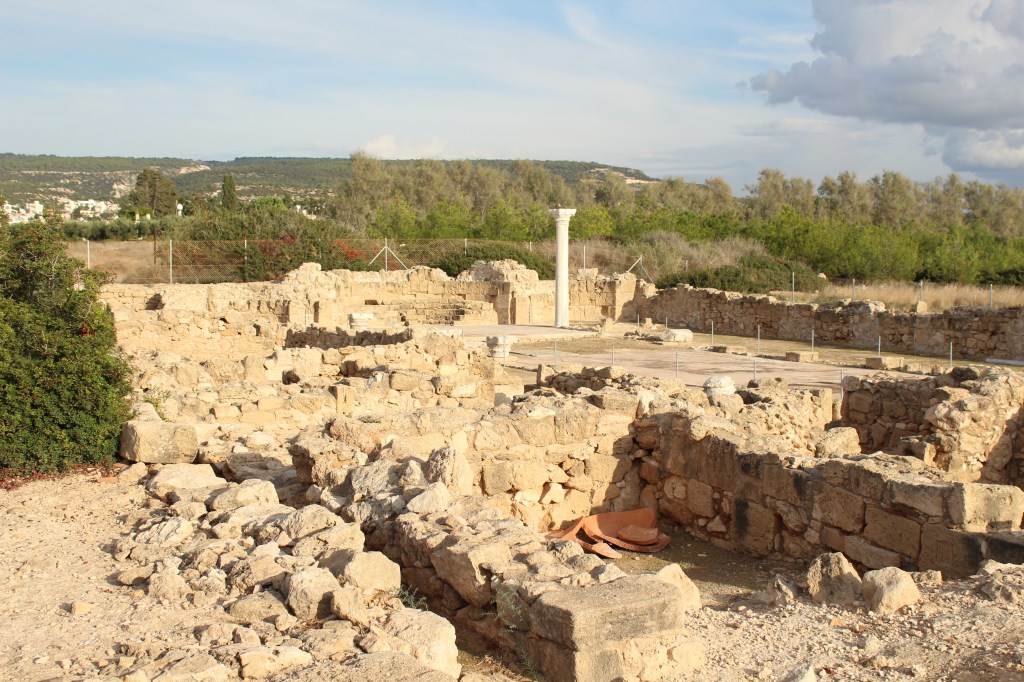
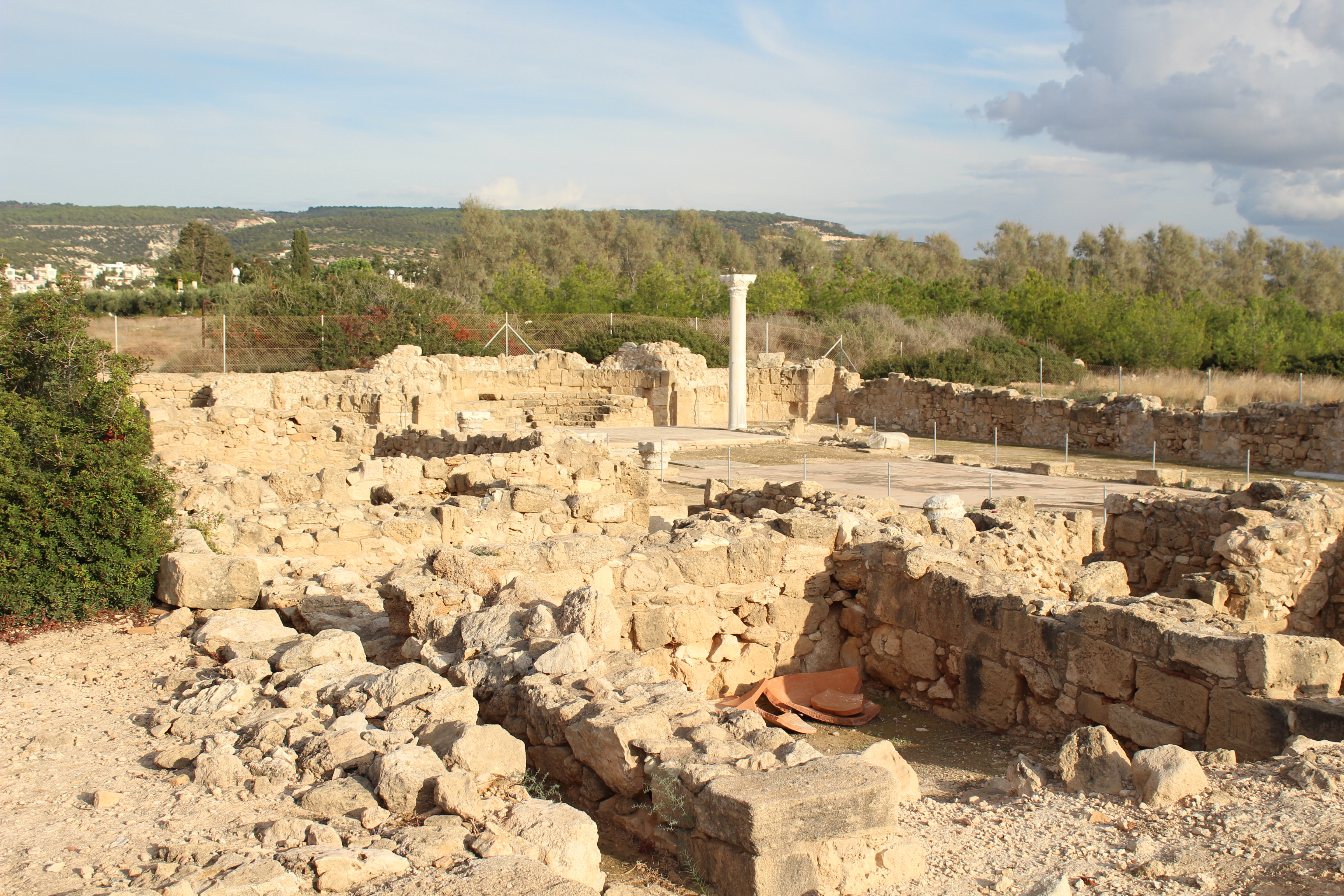
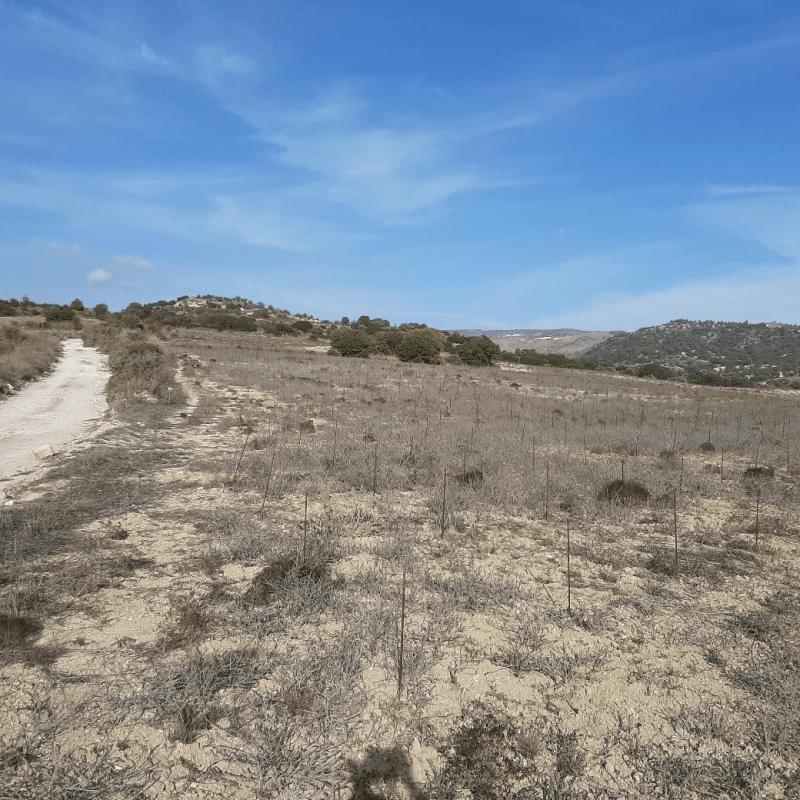
The archaeological site of Agios Georgios is situated on Cape Drepanon (Paphos District), at the western-most extremity of Cyprus and near the Akamas Peninsula National Forest. In ancient times, Agios Georgios was a well-known pilgrimage site.
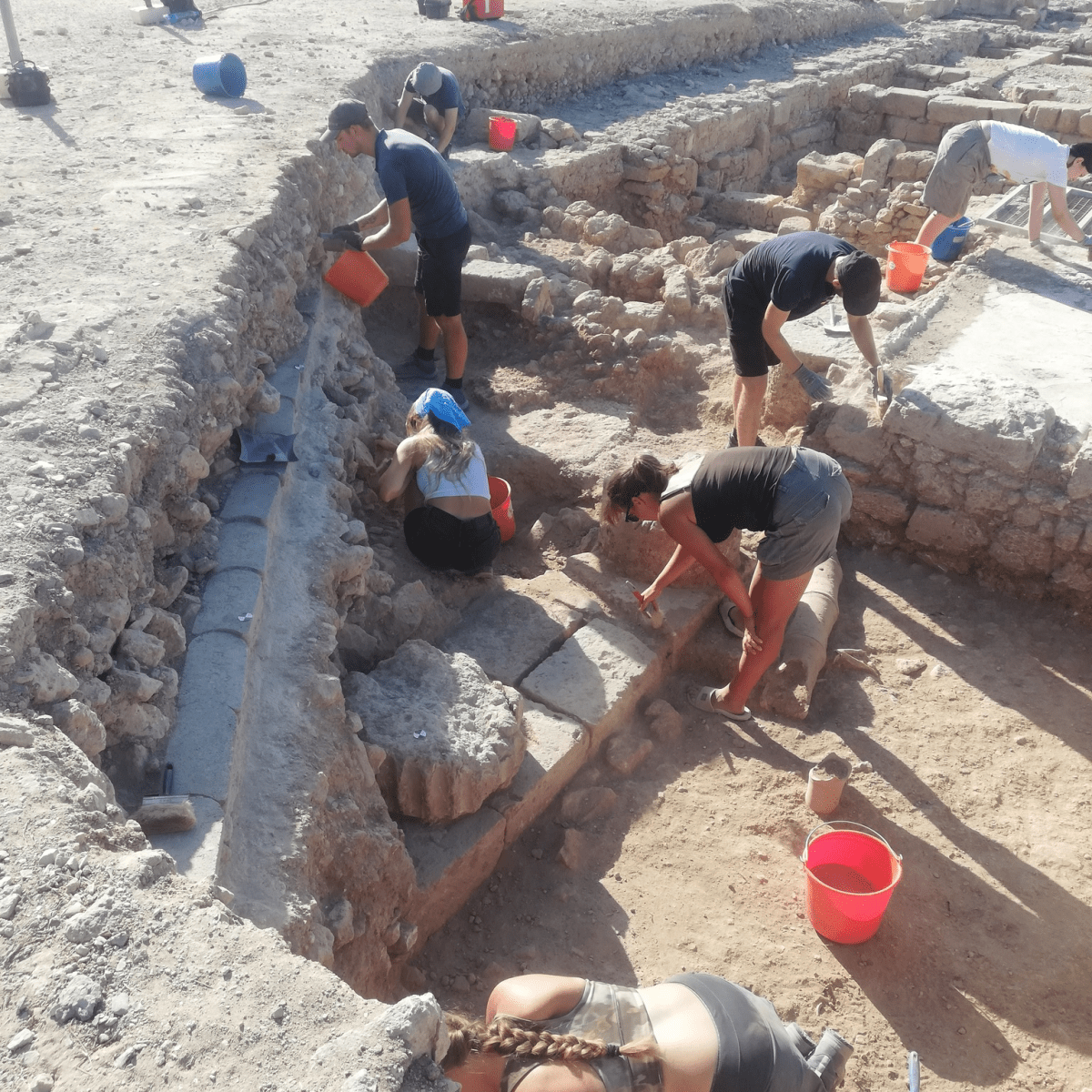
The site was excavated between 1952 and 1955 by the Department of Antiquities of Cyprus. The Department focused on the excavation of three Early Christian basilicas and a bath complex, all dated to the 6th century. The archaeological investigations at Agios Georgios re-begun in the 1990s with the Aristotelean University of Thessaloniki (1992-1998) and then taken over by the Hellenic Ministry of Culture’s Archaeological Expedition in Cyprus in 1999.
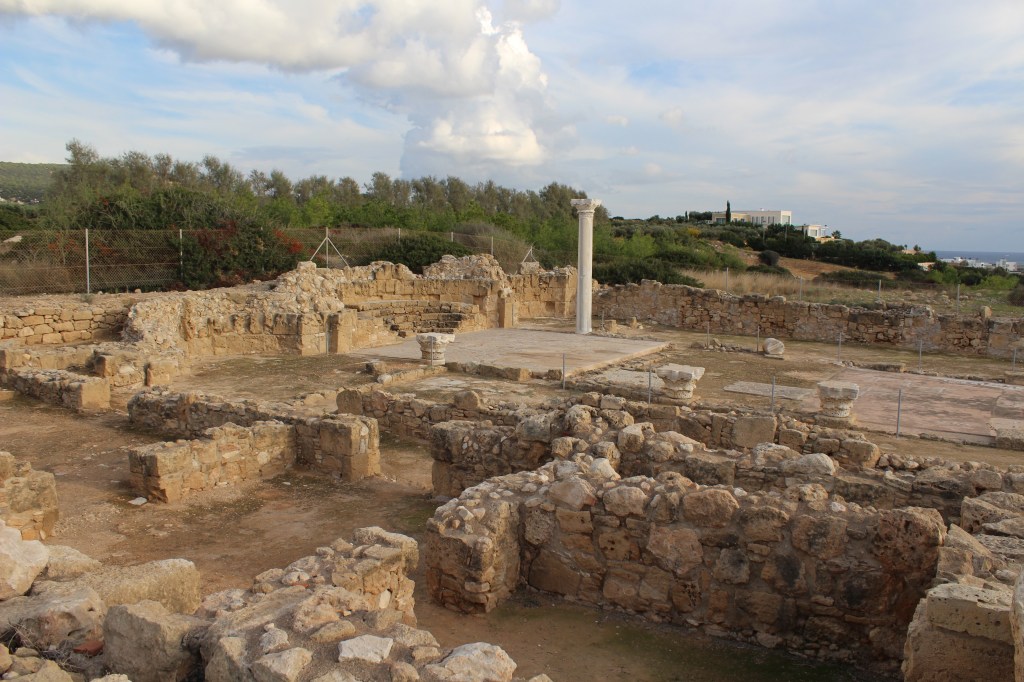
In ancient times, the site was a mid-point, a naval outpost connecting Alexandria with other territories in the Eastern Mediterranean. According to archaeological evidence, the harbour of Agios Georgios settlement used as a station for the ships that transported grain from Egypt to Constantinople.
The archaeological excavations brought to light an extensive settlement dating to the Roman and Early Christian periods, occupying the neck and the south slope of the cape. The excavated archaeological material indicated that the site flourished under Justinian I (527-565 A.D.)
The centre of the settlement is occupied by a large ecclesiastical complex, the complex known as ‘Basilica A’, a large three-aisled basilica. Adjacent to Basilica A a series of structures were excavated, including an open quadriporticus a on the north side and a baptistery on the west site. Basilica A is an example of the ”baptismal complex” of the early Christian period in Cyprus. The complex dates to the 6th c. AD, representing the local tradition in Byzantine architecture as well as ecclesiastical and political aspects.
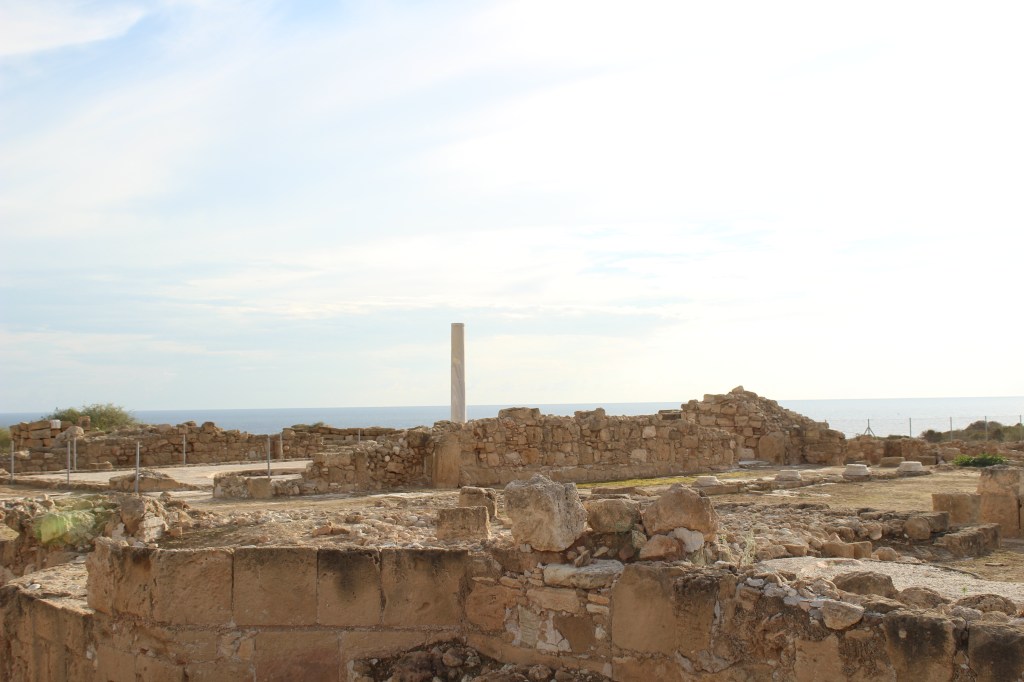
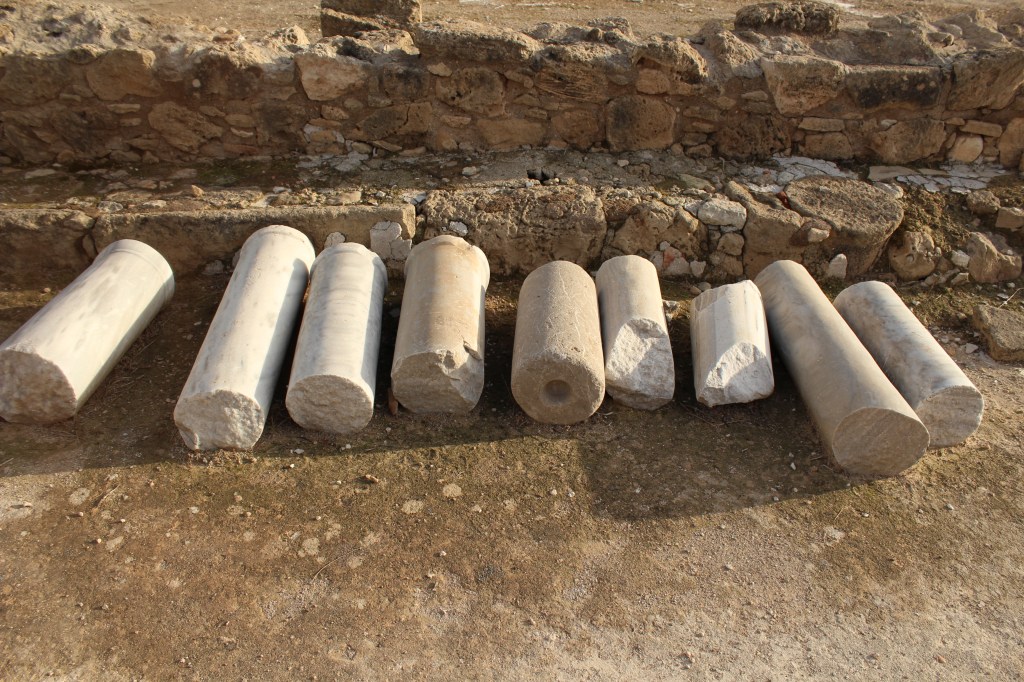
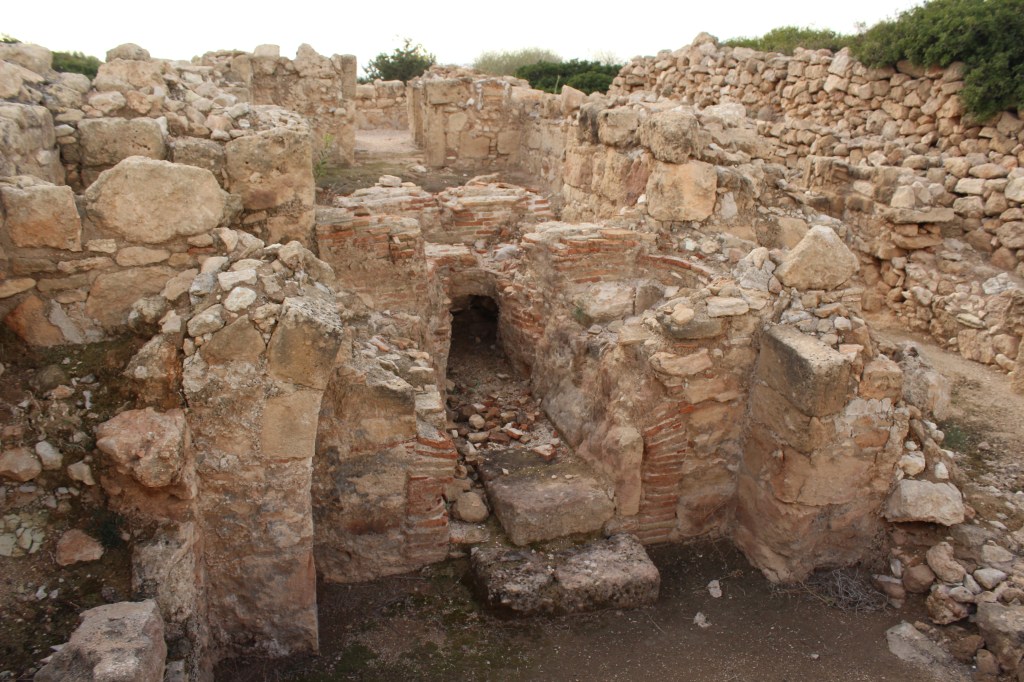
The excavations showed that a smaller three-aisled basilica, with a transept was annexed in the north side of the baptistery. The west side of the ecclesiastical complex is occupied by a large two-storey ‘episkopeion’ (bishop’s residence), built in the style of a Graeco-Roman house (with rooms around a four-sided open courtyard).
Other discoveries at the site include a bathtub incorporated into a large courtyard, in the area north of Basilica A. To the north-east, at the side of the road leading inland to Peyeia, the remains of another small three-aisled basilica, Basilica C were discovered. The basilica had adjacent structures along the north side (sacristy, oil press, well, guest-house, and courtyard).
Rich mosaics dating to the 6th c. AD have been uncovered on site. The mosaics decoration include geometric patterns, circles, ovals, squares, and other shapes that covering large expanses of floor, typical motifs during the period. The three basilicas were decorated also with Proconnesian marble.
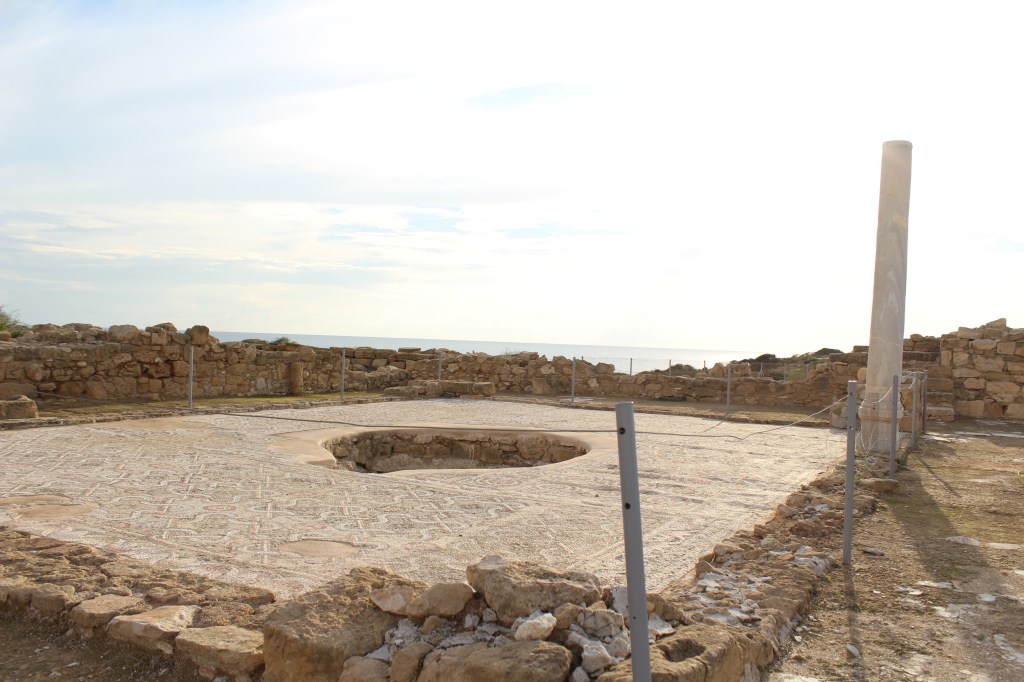
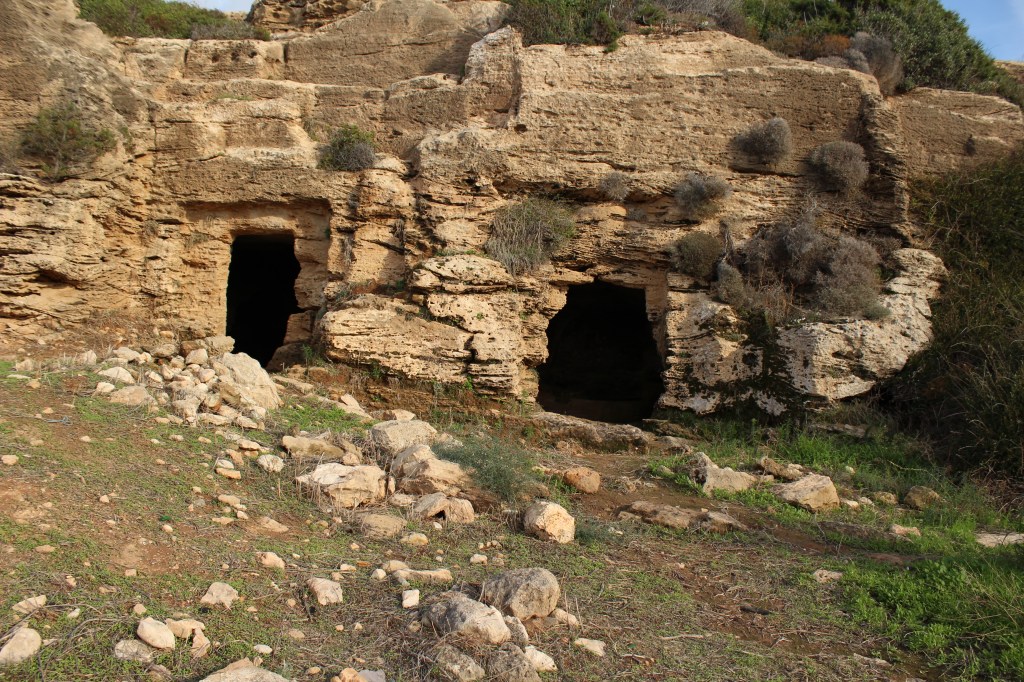
The ancient settlement had its core lying a the foot of the southern slope of the cape. The excavations at the settlement brought to light parts of houses, underground cisterns, and a third three-aisled Basilica B. The settlement has also its own necropolis, lying on the brow of the steep cliff rising from the west and northwest shore of the cape. The tombs are carved into the natural bedrock of the area.
On the natural plateau between the necropolis and the basilicas stands the pilgrimage of Saint George, along with the pilgrims’ lodgings, surrounding the small single-aisled chapel of the same name, founded in the late 13th-early 14th century. The stone-built domed church of St George was built more recently.

Research and Text: Cyprus Archaeology Gazette
Photographs: Thea Christoforou for Cyprus Archaeology
Bibliography & Sources:
Department of Antiquities official website, http://www.culture.gov.cy/dmculture/da/da.nsf/DMLindex_en/DMLindex_en?OpenDocument
Michael, R. 2018. The Early Christian Baptismal Complexes of Cyprus and their Liturgical Arrangement, in Horster et al. (eds.), ‘Church Building in Cyprus (Fourth to Seventh Centuries): A Mirror of Intercultural Contacts in the Eastern Mediterranean‘, Waxmann Verlag.
 cyprus archaeology gazette