Location and history of research
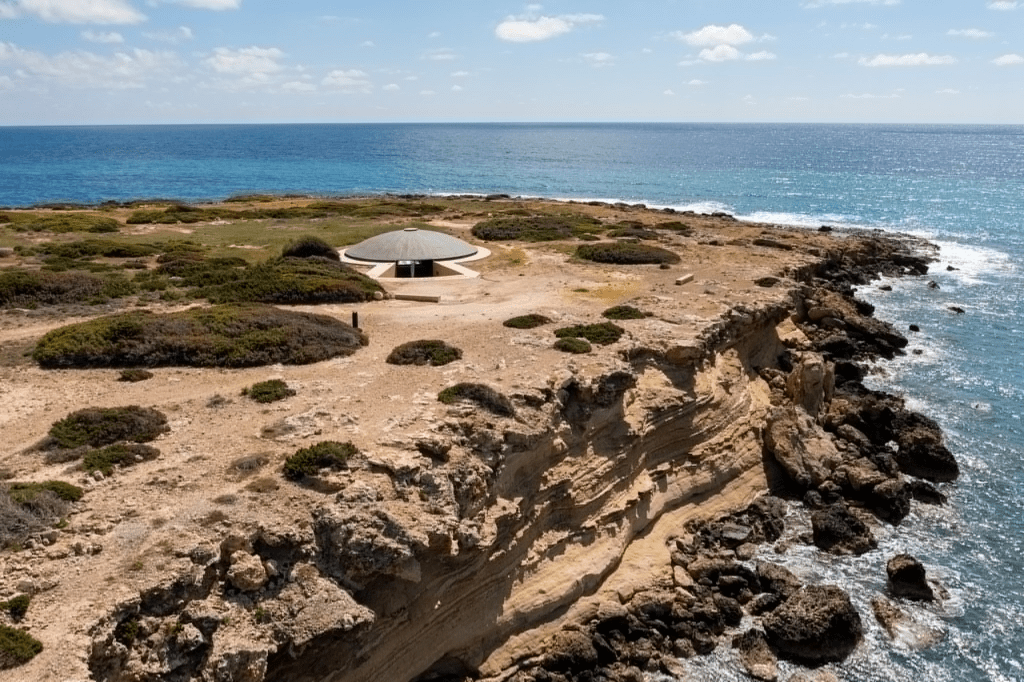
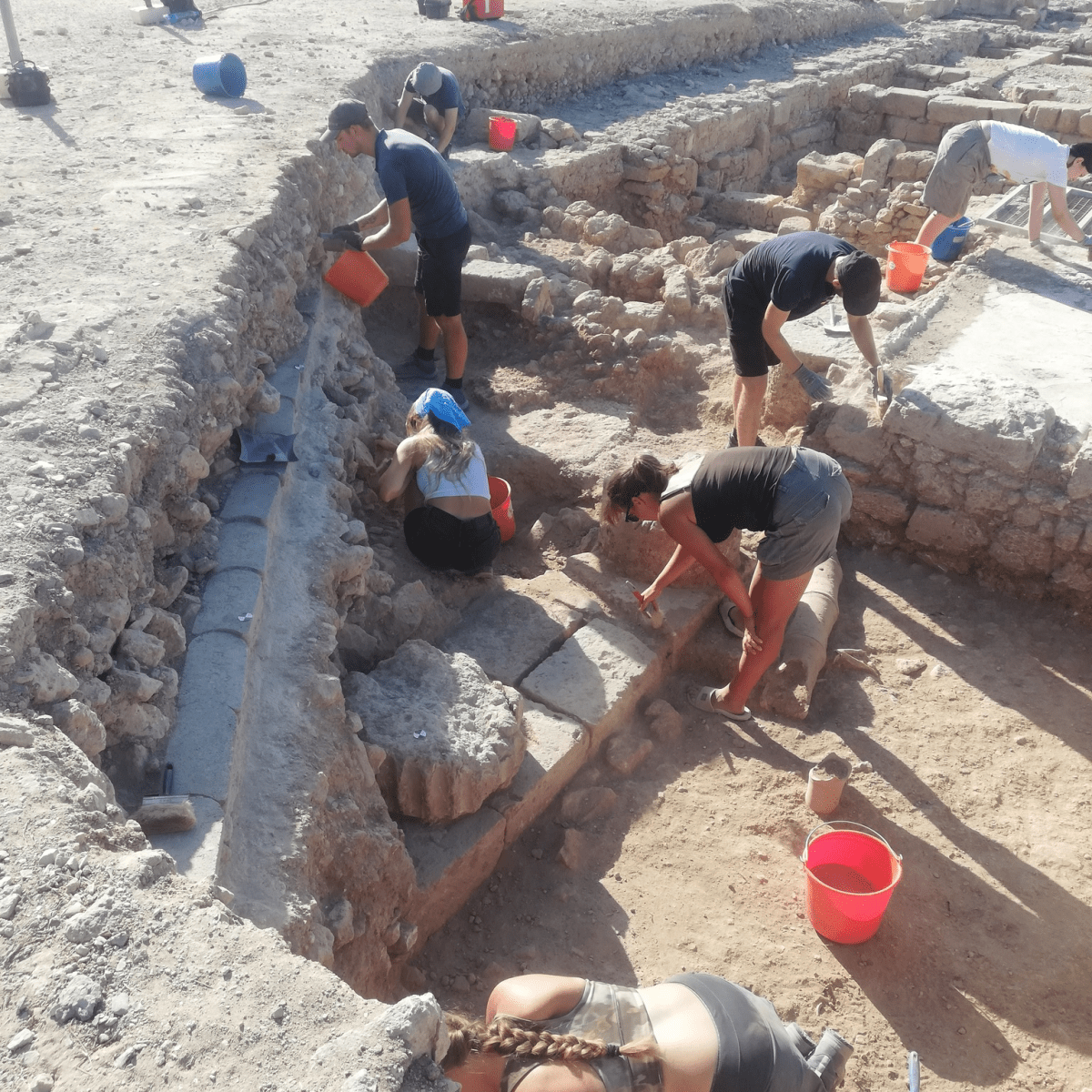
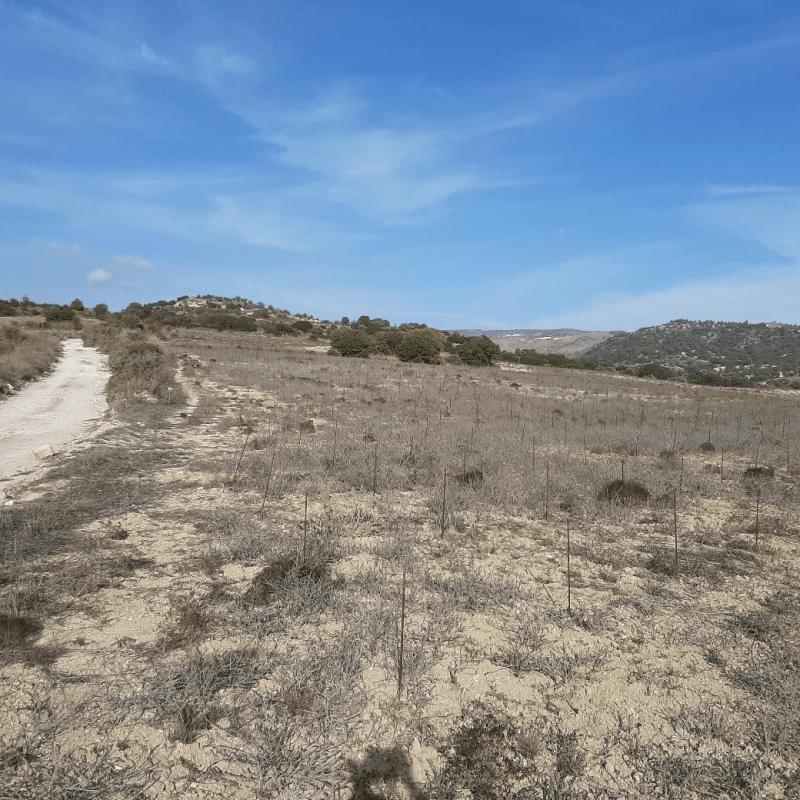
On a rocky peninsula north of Pafos, Maa-Palaiokastro captures a pivotal chapter in Cyprus’ Late Bronze Age. The site was discovered in 1952 by archaeologist Porphyrios Dikaios and systematically excavated from 1979 to 1985 under Dr. Vassos Karageorghis, the site is closely linked to the arrival of Aegean people around 1200 B.C. and the broader process of Cyprus’ Hellenization.
The archaeological excavations at the site revealed that the area was inhabited since the Chalcolithic period based. This earlier occupation dated to Early Chalcolithic period. It consisted of houses formed from cavities in the rock. The houses had light timber superstructures — an intimate glimpse of Cyprus’ deep prehistory.
Fortifications and settlement
Maa’s Late Bronze Age settlement was fortified with two imposing fortification walls. One was situated on the side of the land, and the other on the side of the sea at the edge of the peninsula walls. The. first was shielding the landward approach and the other bracing the seaward edge of the peninsula. The settlement consisted of several small houses. It also included a number of impressive public buildings. These buildings bore architectural features, previously unknown in Cyprus, which are connected to the Aegean.
Halls, hearths, and communal life
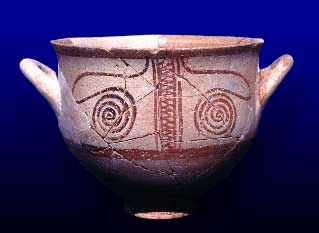
Two of these buildings each include a large room with a hearth in its centre. They also have other smaller rooms possibly used as storerooms. There is evidence that both buildings were associated with food production, eating and drinking by a large number of people. Another building may have served as an “administrative” storage building, with large storage jars lining long narrow storage areas. There is also evidence of metallurgical activity at the site as well as of pottery production..
The settlement was destroyed around 1175 B.C., probably by pirates, but it was soon rebuilt by the inhabitants and was finally abandoned around 1150 BC.
Text: Cyprus Archaeology Gazette
Bibliography & Sources:
Department of Antiquities Website
Pafos Region Organization Website

 cyprus archaeology gazette