cyprus/κύπρος.

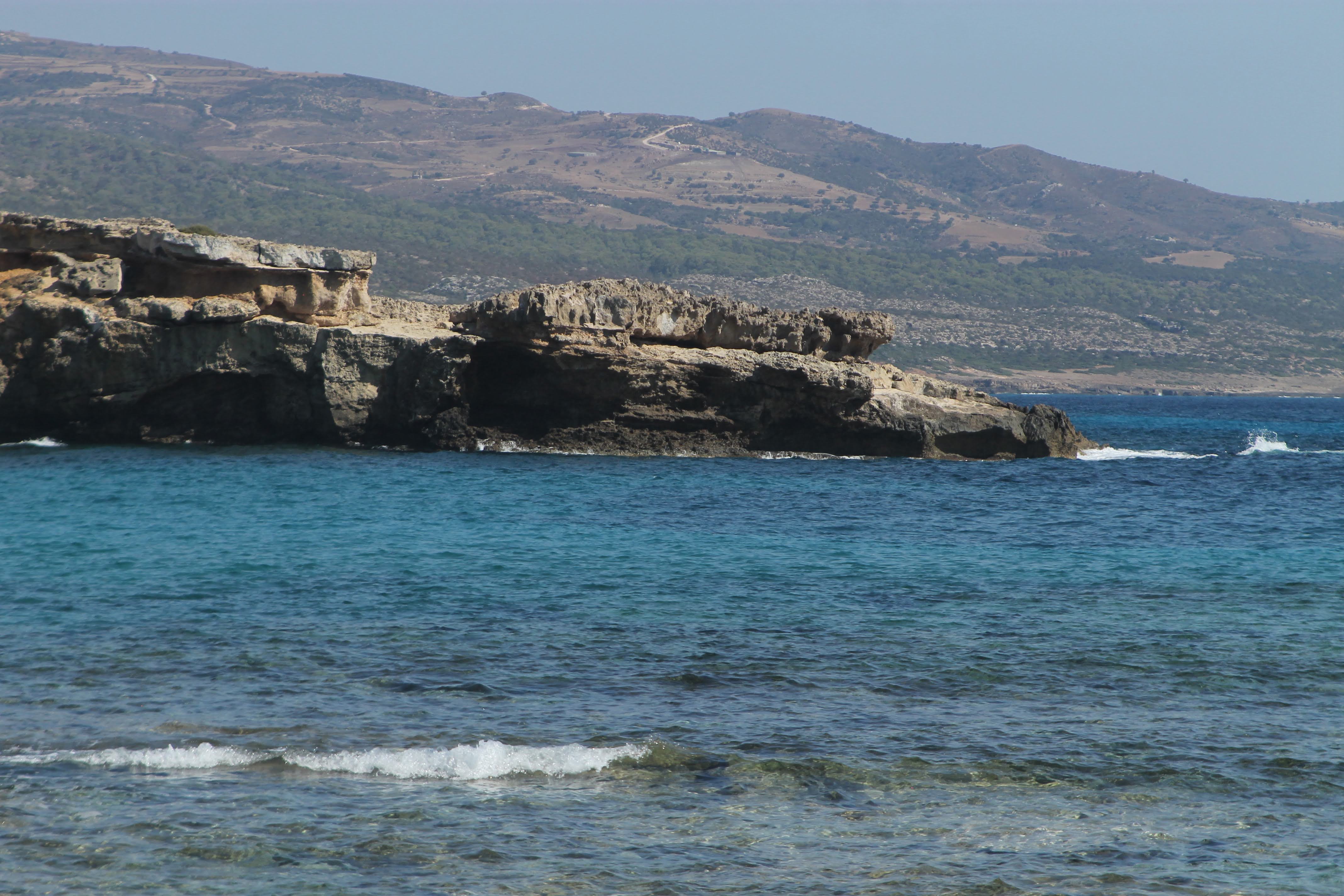
In the most eastern part of the Mediterranean sea, Cyprus’ story goes back millions of years. Emerged from the sea, as its beloved Goddess, the deity of love and fertility, Aphrodite.
the genesis.
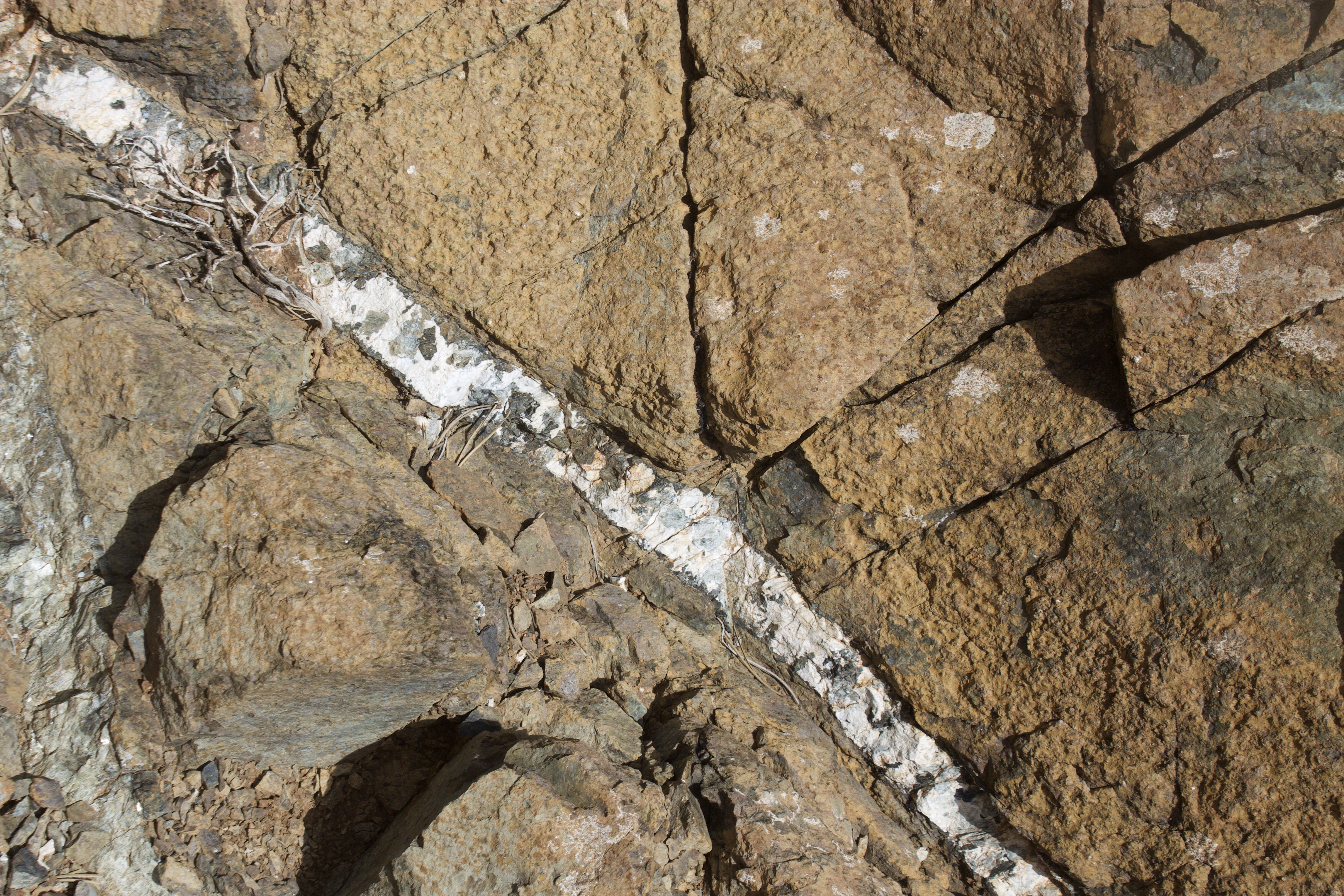
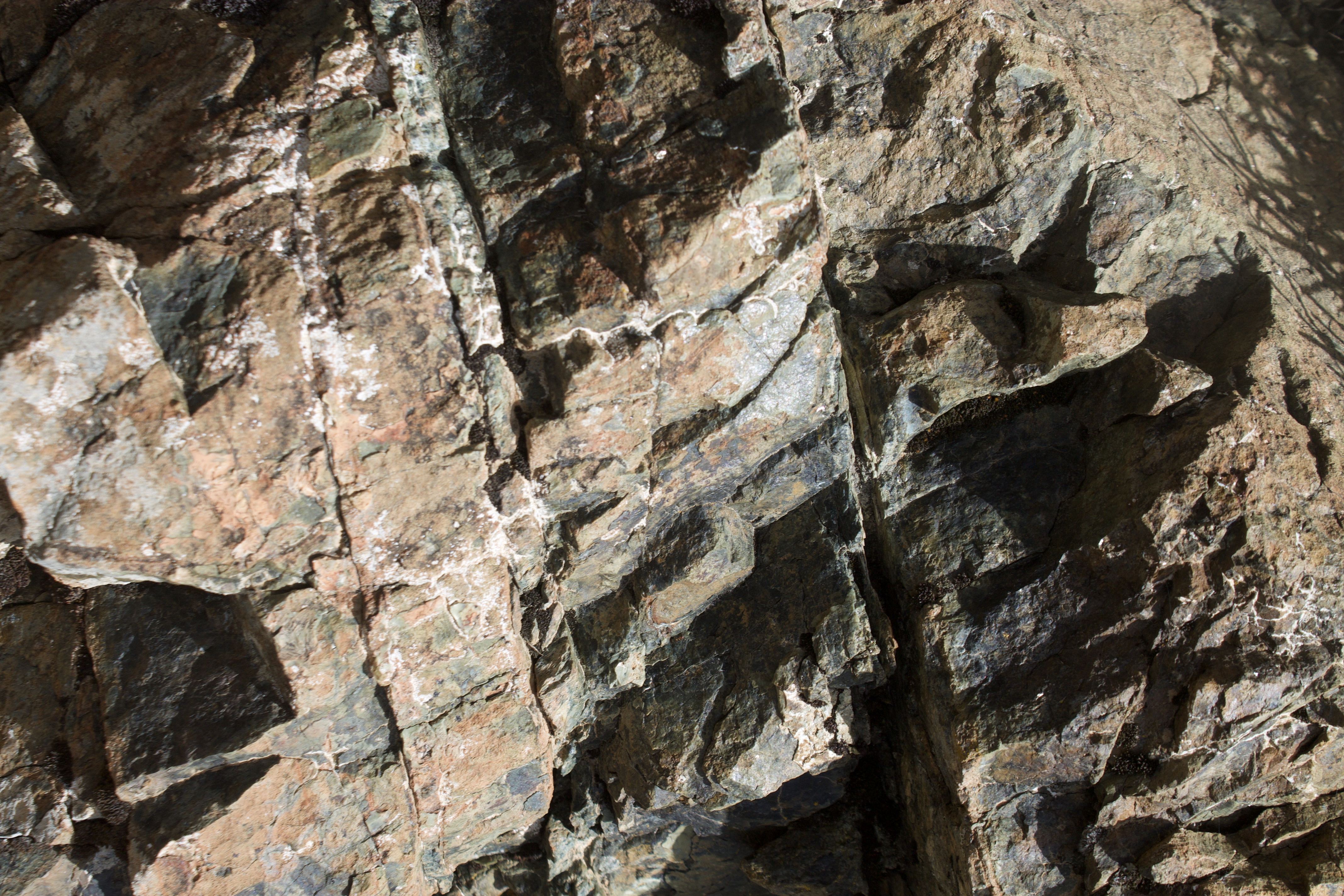
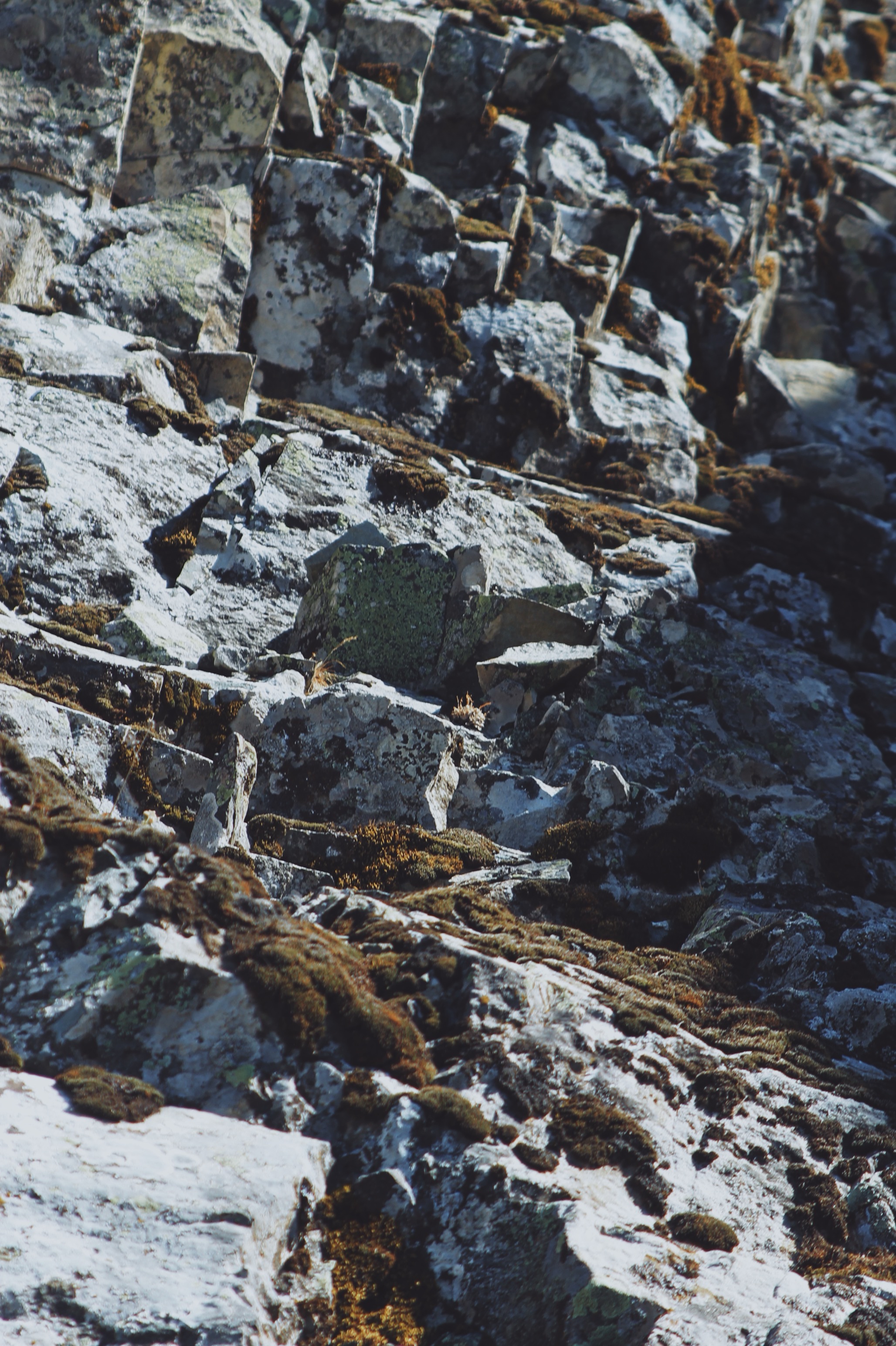
Cyprus genesis goes back millions of years. A unique and complex process created the island. About 92 Ma, a new oceanic crust was created, part of which was cut off and later formed the Troodos ophiolite. The peak of Troodos is comprised by outcropping rocks of the deepest layer of a fragment of oceanic crust and the Earth’s upper mantle, an ophiolite complex, which was formed 92 million years ago, several kilometers below sea level. The complex geological processes created a unique geodiversity in the island. The abundance of minerals contributed in forming the cultural landscape of the island, diachronically.


the first humans.
Hunter-fisher groups from the Levant are the earliest known humans in Cyprus. Their periodical activity dates 11,000-12,000 years ago, with sites such as Akrotiri – Aetokremnos, Akamas-Aspros and Ayia Napa Nissi Beach to comprise some of the earliest sites in the island. These Epipalaeolithic hunter-fisher groups crossed the sea, from the Levant, arriving in Cyprus, exploiting the coastal and marine resources.
Permanent habitation in the island traces back to the 9th millennia BC, when groups involved in the Neolithization process taking place in the nearby mainland must have aided the settlement in Cyprus. Evidence of permanent settlement derives from the sites of Kissonerga-Mylouthkia, Pareklishia-Shillourokambos and Akanthou-Arkosyko, all dating 9th millennium BC.
Κύπρος/Cyprus
Cyprus was a cradle of prehistoric societies that were influenced by the dominant mainland innovations and developments (from the Levant) and at the same time tended to break away from these in favour of a specifically Cypriot identity evolved throughout time.
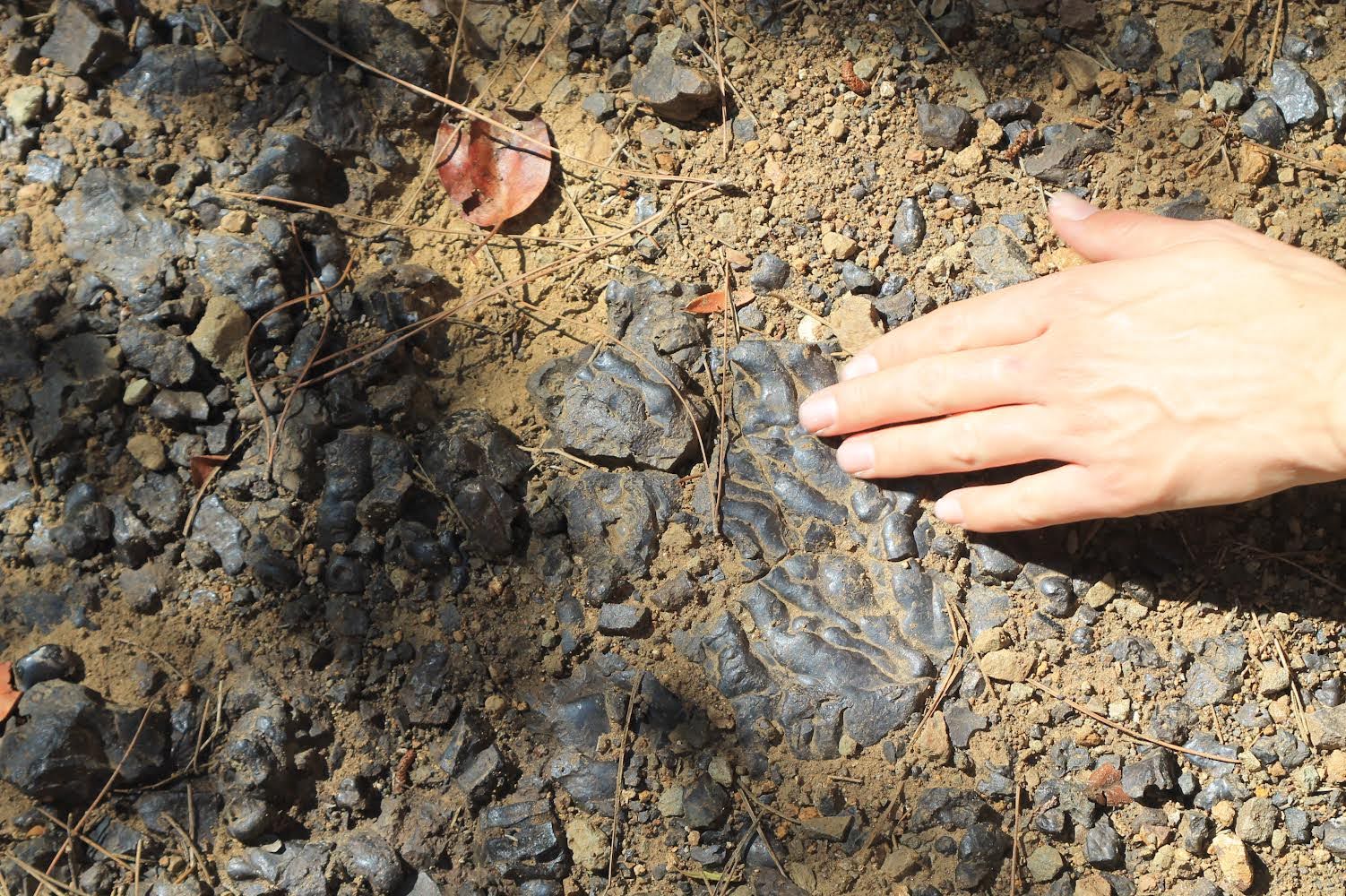
Cyprus has developed into a cradle of civilization due to its unique geographical location and the availability of natural and raw materials such as wood, flora, fertile soil, copper and other minerals.
In the Late Bronze Age, Cyprus transforms into a link of trade and communication within the Eastern Mediterranean, with strong relations with the Aegean, Syria, Palestine, Crete and Egypt. It is during this period when, for the first time, large urban structured societies make their appearance. Cyprus became one of the major suppliers of copper with the region, suppling ancient societies for centuries to come.
 cyprus archaeology gazette