A unique silver-gilt bowl: An amalgam of civilizations
Cyprus, since antiquity, is a crossroad of civilizations. The geographical position of the island, situated in the most eastern part of the Mediterranean, renders it a crossroad, a candle of civilizations. This is evident through the examination of the material culture excavated in the island. Foreign influences can be seen not only in the imported material but also in architecture, social and cultural practices, etc.
View of the central tondo, c. Met Museum)
One unique example of the influences occurred in Cyprus during the Archaic period is a silver-gilt bowl, said to be found at Kourion. Probably it was discovered during the excavations of Luigi Palma Cesnola in the area around 1874. The extraordinary piece dates to the Archaic period and more specifically in ca. 725-675 B.C. The preservation and condition of this masterpiece is exceptional. It is of the finest quality, representing an amalgamation of Egyptian, Assyrian and Phoenician features. The main tondo shows a winged deity of Assyrian type felling a rampant lion with a sword. There is also a variety of animal and narrative motifs.
The bowl, c. Met Museum
At the top, there is Cypriot syllabic inscription: “I am [the bowl] of Akestor, king of Paphos.”
but It seems that the bowl was partly obliterated and replaced: “I am [the bowl] of Timokretes“, presumably the next owner.
The bowl is exhibited at the Metropolitan Museum, Fifth Avenue in Gallery 174. New York.
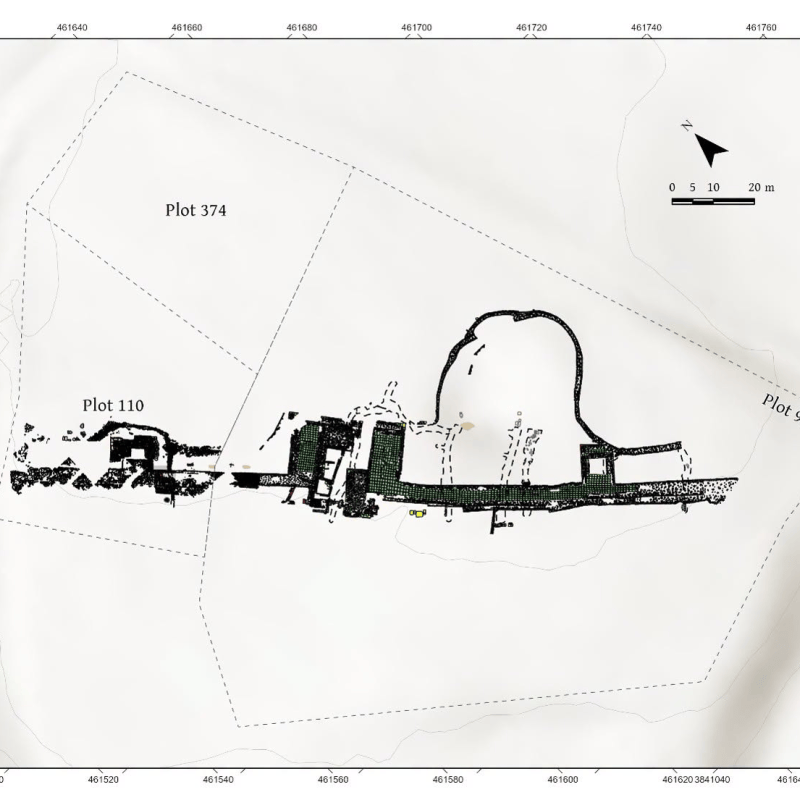
The 2026 excavation season at Marchello in Kouklia, ancient Palaepaphos, has uncovered important new evidence for a Late Bronze Age defensive complex, including the development of a projecting bastion into a substantial tower. The August–September excavations were conducted by the Department of…
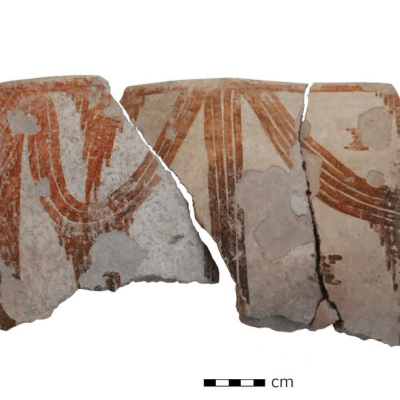
The second excavation season at the Chalcolithic settlement of Erimi Pamboula has been completed, bringing to light further evidence about the architecture, material culture and everyday activities of the prehistoric community that occupied the site. The excavations took place from 25 June…
The Department of Antiquities of the Deputy Ministry of Culture presents With What Remains, an exhibition at the Cyprus Museum featuring works by Andreas Mallouris and Leontios Toumpouris, curated by Cristina Anglada. The exhibition runs from 6 November 2026 to 31 January…
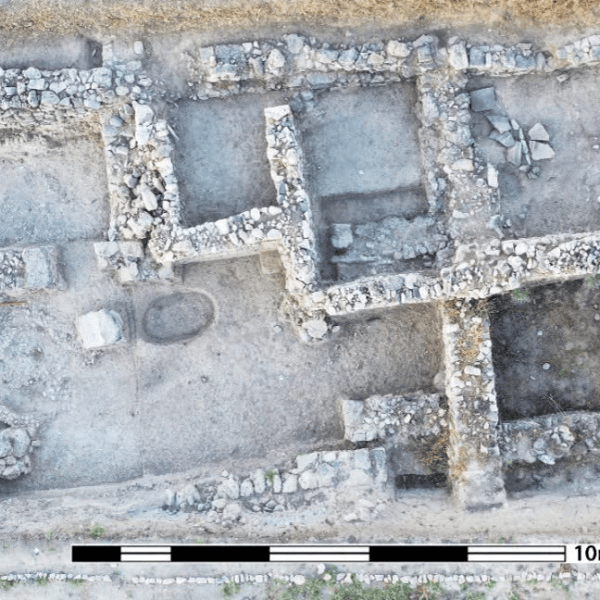
New discoveries at Dromolaxia-Vyzakia/Hala Sultan Tekke provide important evidence for the origins of one of Bronze Age Cyprus’s largest and most internationally connected urban centres. Archaeologists working at Dromolaxia-Vyzakia/Hala Sultan Tekke have uncovered, for the first time, stratified architectural remains and diagnostic…
A major archaeological discovery has come to light in Larnaka (ancient Kition), where researchers have identified 23 previously unknown ships dating back more than 3,000 years, to the period traditionally associated with Homeric Cyprus. The find, announced by the Department of Antiquities,…
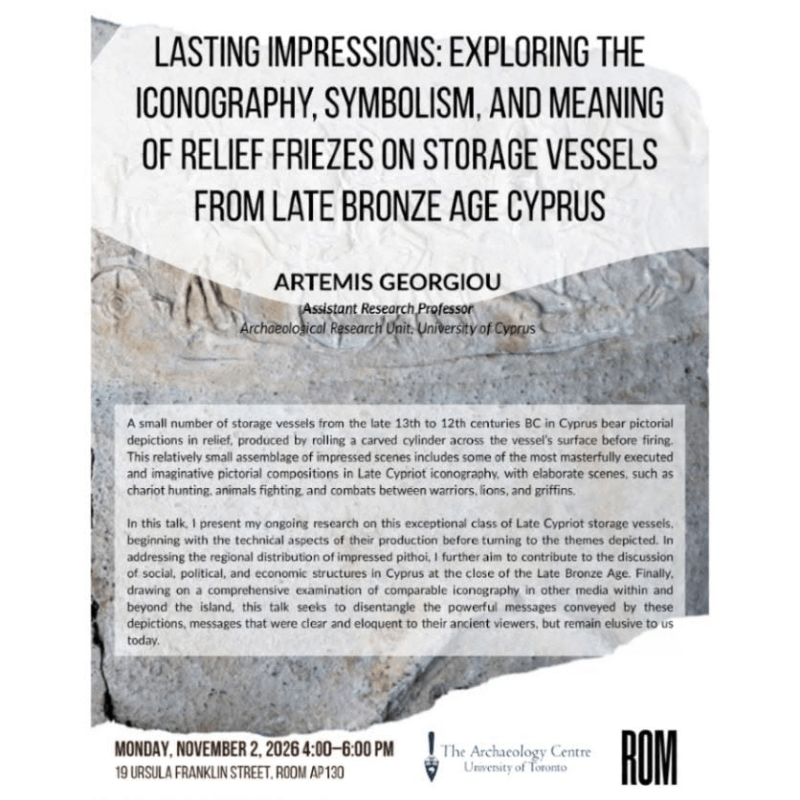
Dr Artemis Georgiou to Deliver Lecture at the University of Toronto on Late Bronze Age Cypriot Relief Friezes Dr Artemis Georgiou, project director of the COMPAS ERC Starting Grant, will be delivering an invited lecture at the Archaeology Centre, University of Toronto,…