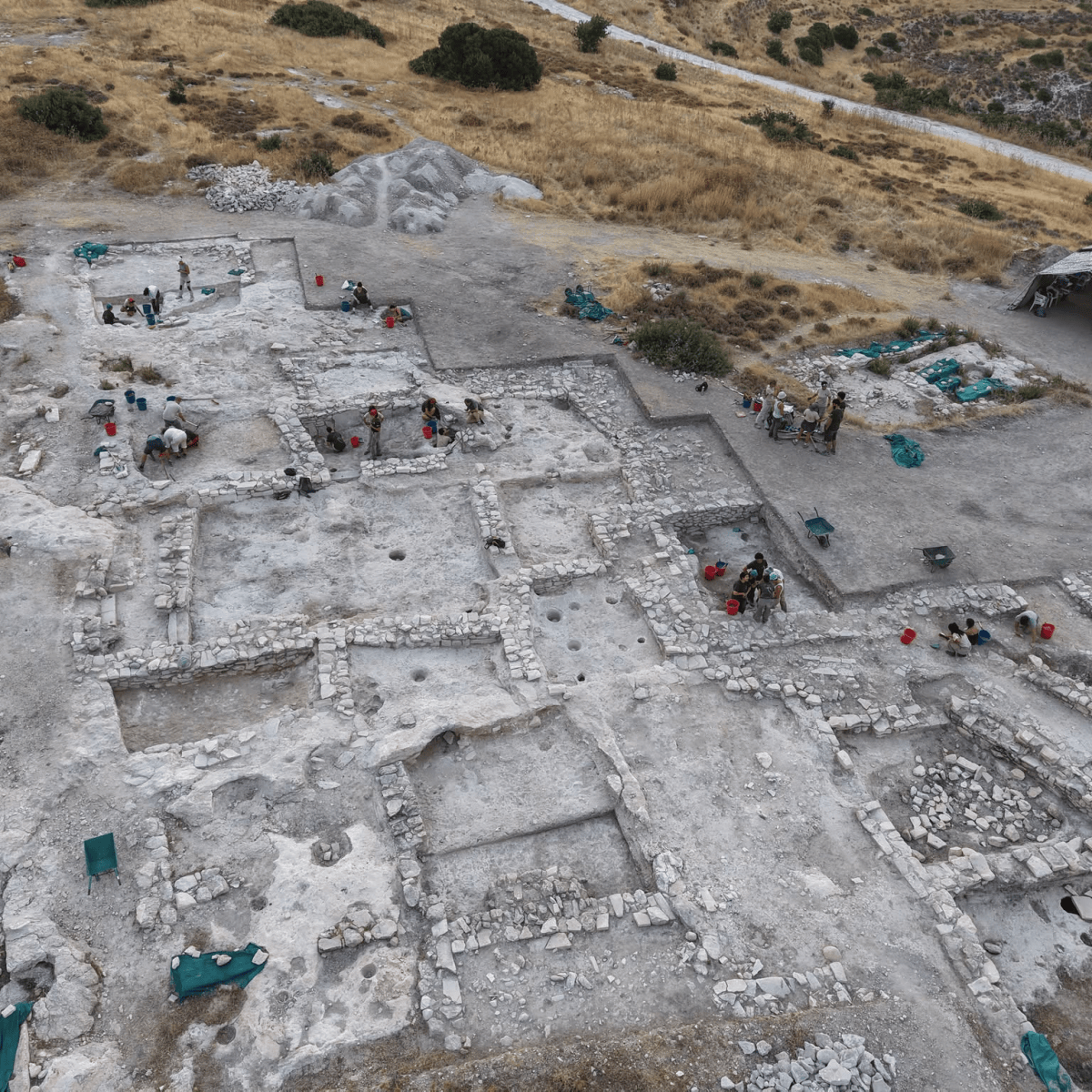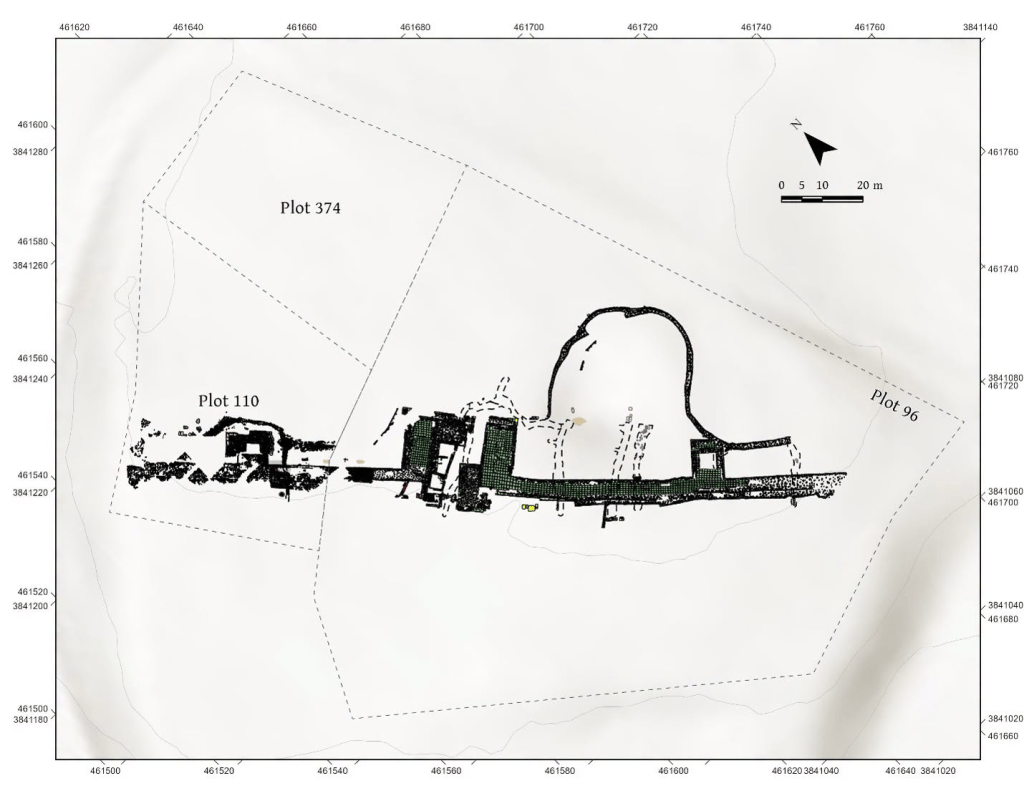
The 2026 excavation season at Marchello in Kouklia, ancient Palaepaphos, has uncovered important new evidence for a Late Bronze Age defensive complex, including the development of a projecting bastion into a substantial tower. The August–September excavations were conducted by the Department of History and Archaeology of the National and Kapodistrian University of Athens (NKUA) under the direction of Professor Konstantinos Kopanias, the Department of Antiquities of the Deputy Ministry of Culture of the Republic of Cyprus announced. Together with new evidence concerning the date of the defensive wall, the discoveries establish the first Late Bronze Age fortification system identified at Palaepaphos.
New evidence for the earliest fortifications
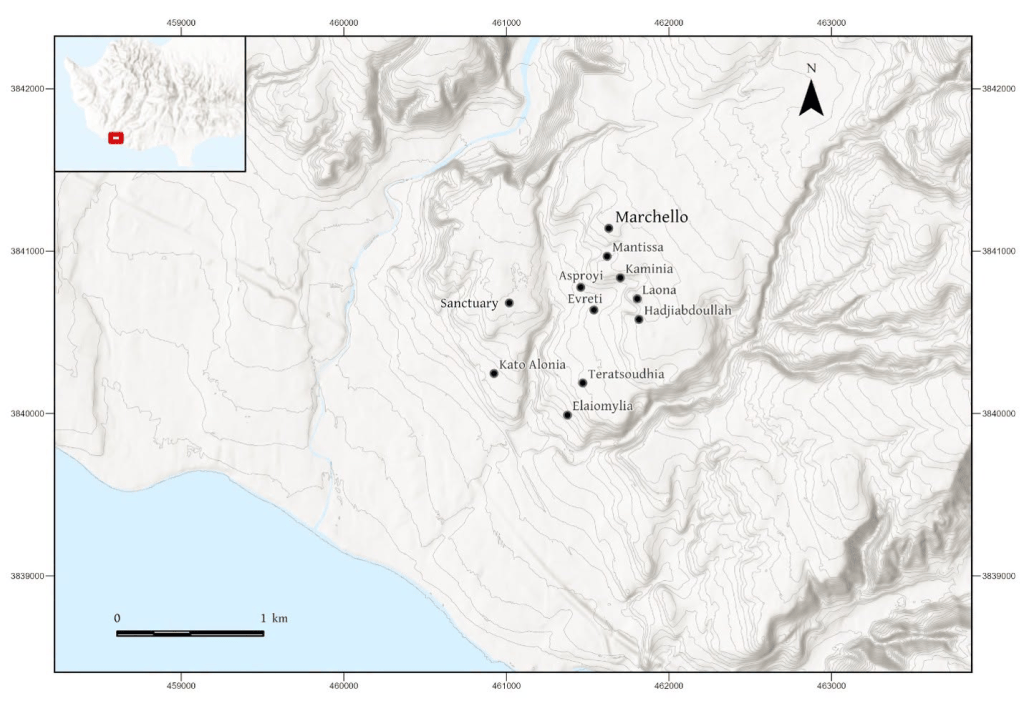
Marchello is situated just under 1 km northeast of the sanctuary of Aphrodite. Previous British, German-Swiss and University of Cyprus excavations uncovered a long rampart, monumental gate and other significant remains. Questions remained, however, about when these structures were constructed and how they related to one another.
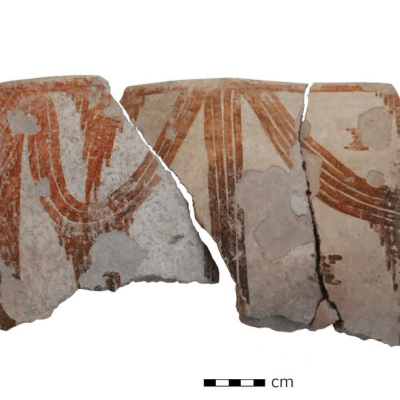
Since 2021, NKUA has been conducting excavations at the site to investigate its history further. The 2026 season produced stronger evidence that the earliest rampart dates to Late Cypriot IIC–IIIA, towards the end of the Late Bronze Age. Next to a newly exposed section of the wall, archaeologists discovered an undisturbed deposit containing pottery dating to this period. A concentration of marl was found on the surface of the deposit and appears to have been prepared there for construction. The material was spread across the stone foundation to provide a level base for the mudbrick wall above. Its close association with the pottery and foundations provides important evidence for dating the rampart’s earliest phase.
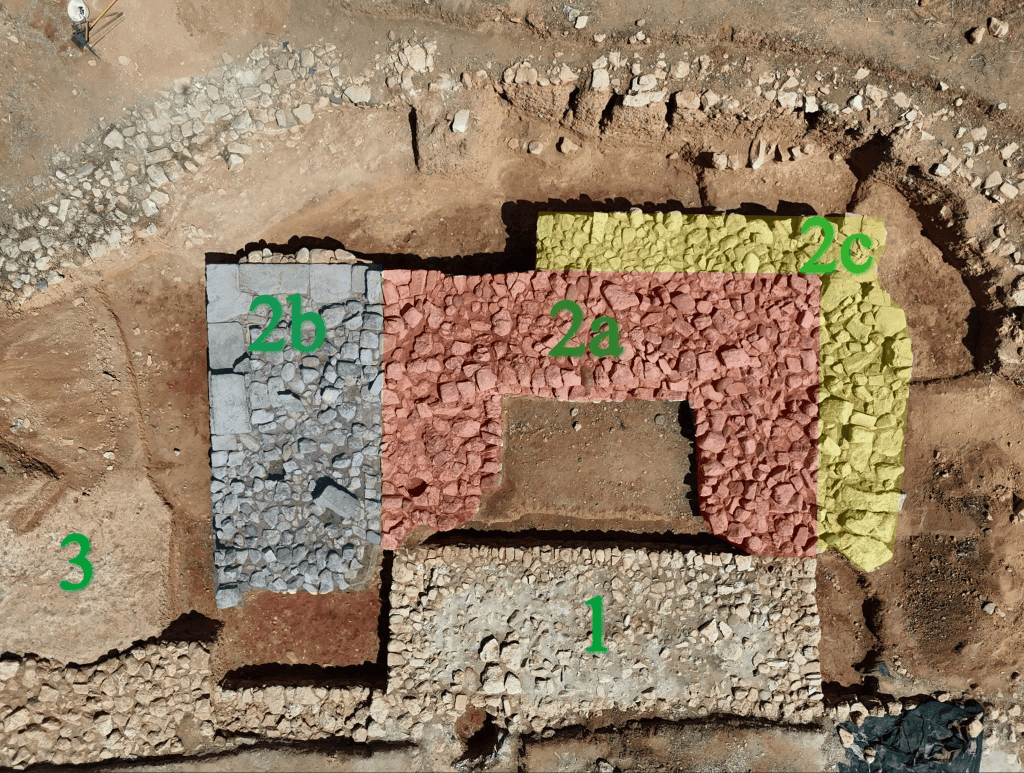
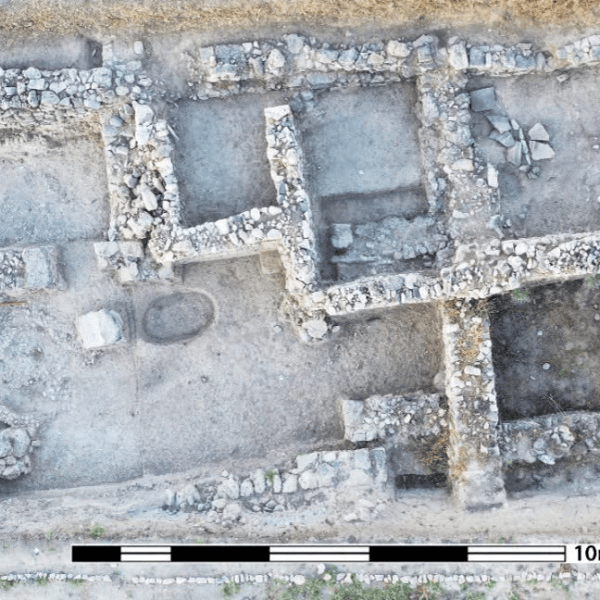
The season’s principal architectural discovery is a rectangular bastion, projecting from the rampart and constructed during Late Cypriot IIIA. A three-sided extension was later constructed in front of the bastion. Together, the two structures created an almost square building measuring approximately 7.4 × 7.3 metres, with thick walls surrounding a central chamber of around 9 square metres. The building’s square plan, substantial walls and internal chamber support its identification as a tower that could have carried upper levels. Because only its foundations survive, however, its original height cannot be determined. The tower underwent another phase of reinforcement, probably still during Late Cypriot IIIA, when a wall approximately 2.7 metres thick was added to its northwestern side. These successive additions demonstrate that the defensive complex was developed and strengthened during the Late Bronze Age.
Centuries later, during the Late Cypro-Classical period of the fourth century BCE, another reinforcing wall was constructed along the northeastern and southeastern sides of the tower. Pottery discovered in its foundation trench provides evidence for its dating. The rampart itself was also widened during a later phase, possibly during the same period. So far, excavations conducted by NKUA have not securely identified a Cypro-Geometric or Cypro-Archaic construction phase in this area. Whether the fortifications remained continuously in use between their Late Bronze Age construction and the later repairs therefore remains under investigation. The discovery of the fortification system provides new evidence for understanding Late Bronze Age Palaepaphos and the development of its monumental defensive architecture. Further research and study of the finds are expected to clarify the evolution of the complex and its place within the wider history of the ancient settlement. At the conclusion of the 2026 excavation season, the exposed architectural remains were covered with ground-cover fabric for protection.
Sources:
– Department of Antiquities
– Department of History and Archaeology of the National and Kapodistrian University of Athens (NKUA)