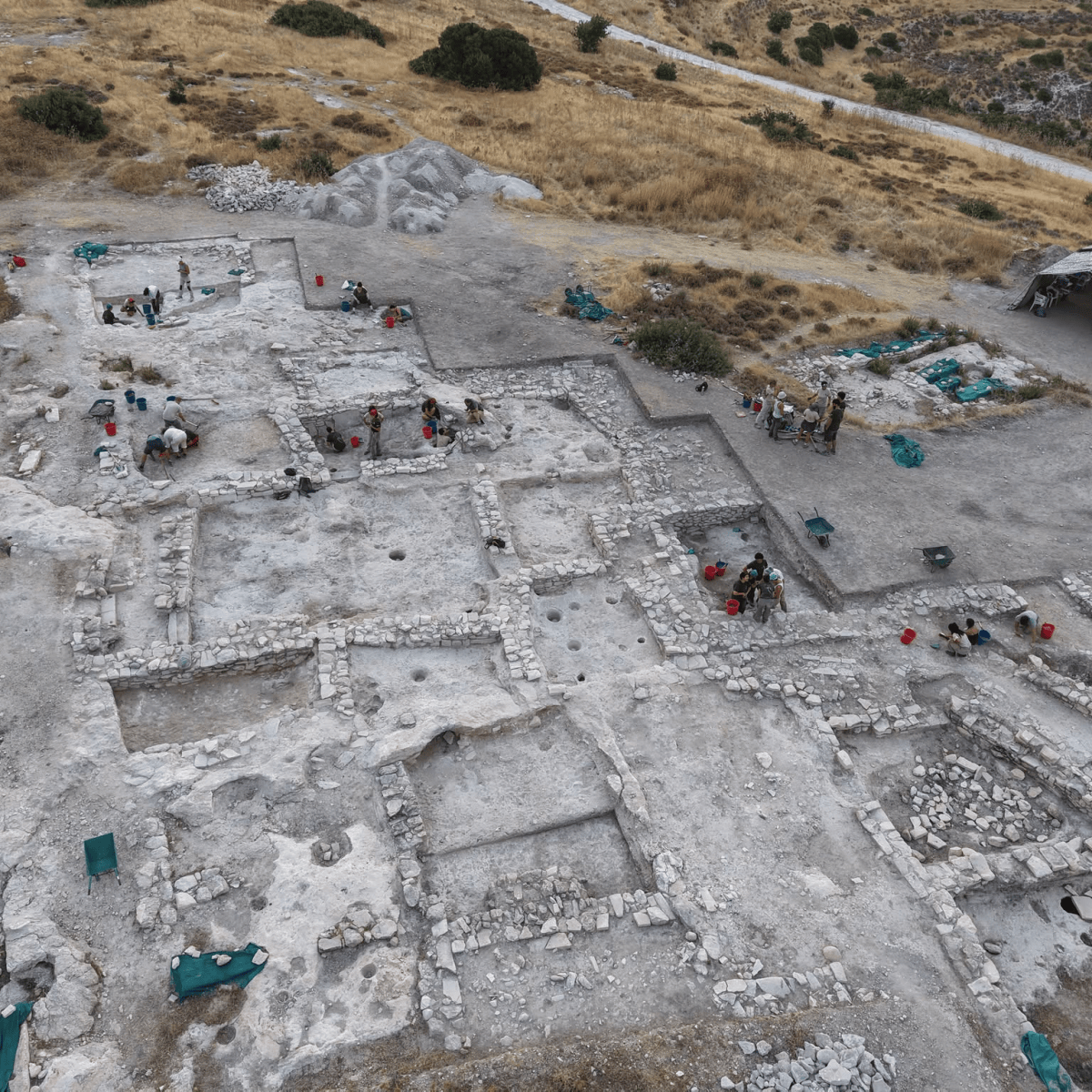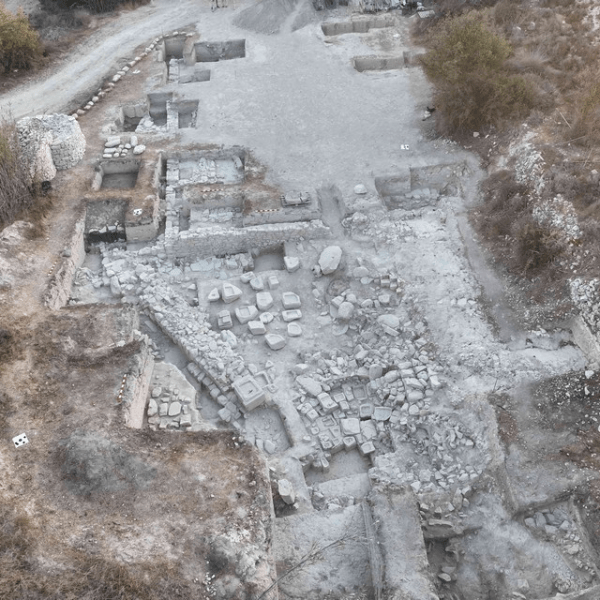
The Department of Antiquities of the Deputy Ministry of Culture of the Republic of Cyprus has announced the completion of the 2025 excavation season carried out by the North Carolina State University team at the prehistoric cemetery of Makounta–Voules/Mersinoudia in the Pafos District.
Project Framework and Team
The fieldwork took place between 15 June and 17 July 2025, under the direction of Dr Kathryn Grossman (North Carolina State University), working in collaboration with Dr Tate Paulette, Dr Lisa Graham, and Dr Andrew McCarthy (College of Southern Nevada). The project received financial support from the U.S. National Science Foundation, North Carolina State University, and the American Society for Overseas Research.
Archaeological Context
The cemetery forms part of a broader prehistoric landscape previously identified through survey project by Dr Darius Maliszewski. It lies on a ridge adjacent to a Chalcolithic settlement, parts of which had been excavated during earlier seasons. Prior to excavation, several bedrock cuttings were visible on the surface, hinting at the presence of tombs.
Excavation Results
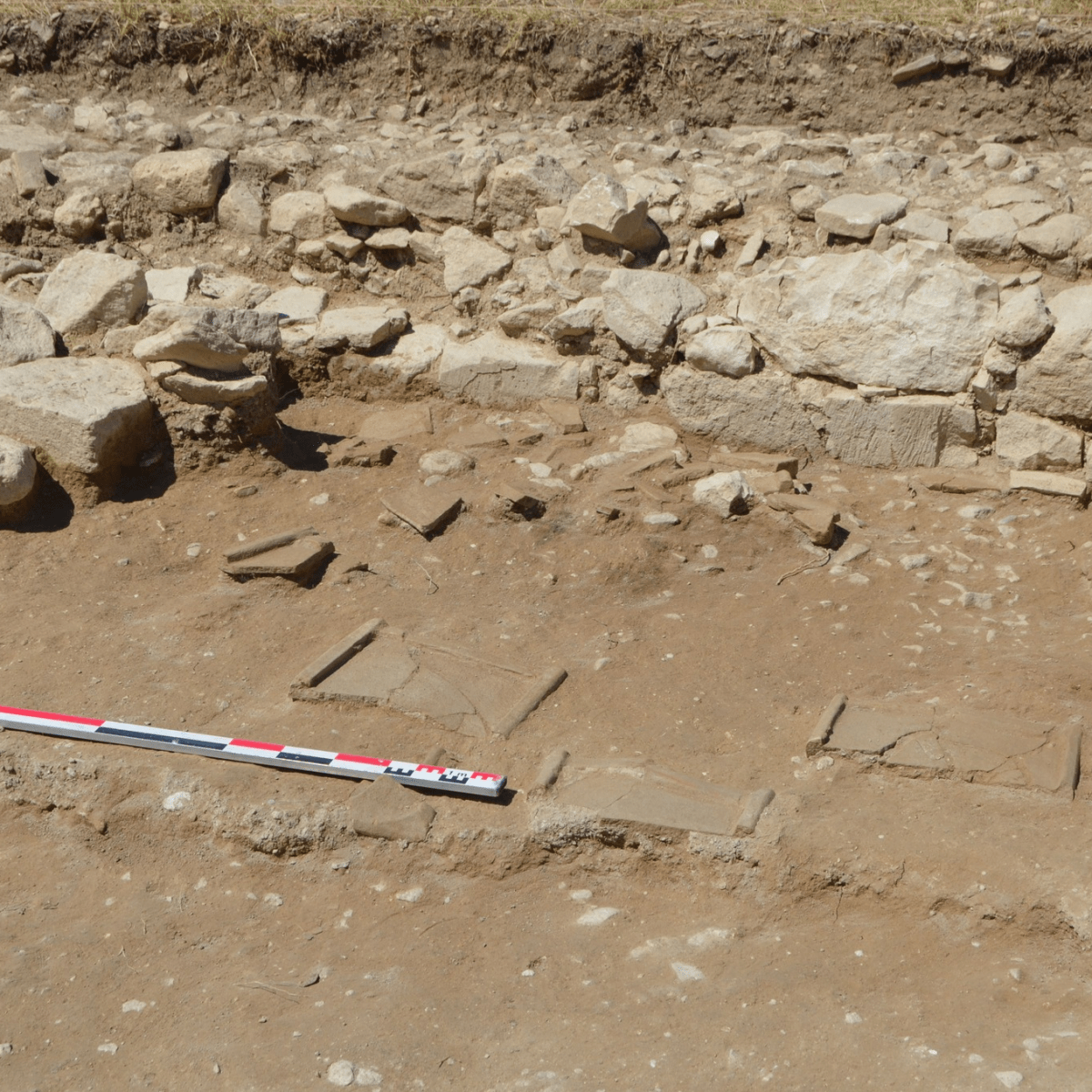
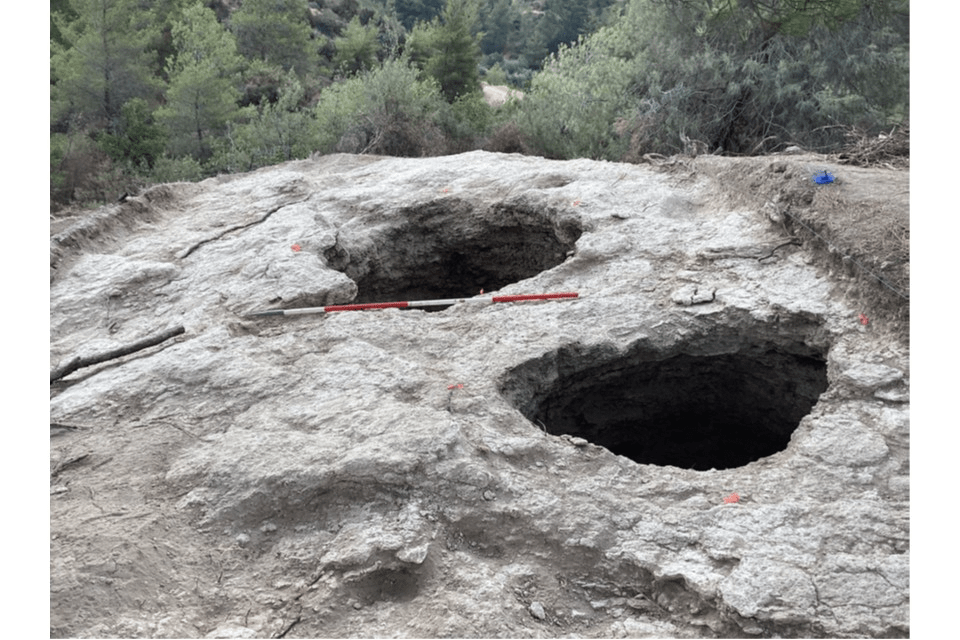
During the 2025 season, the team excavated ten rock‑cut graves, though many had been disturbed either by modern activity or by natural erosion along the cliff edge. The cemetery appears to include three distinct tomb types:
- Circular shafts (approx. 1 m in diameter) cut into the bedrock, with a slight bell outward at the base.
- Larger circular shafts (approx. 2 m in diameter) cut into the bedrock with a slight outward widening at the base and in some cases a small side chamber (possibly taphonomic, rather than anthropogenic).
- A single rectangular rock‑cut pit, representing a different architectural form.
Finds and Dating
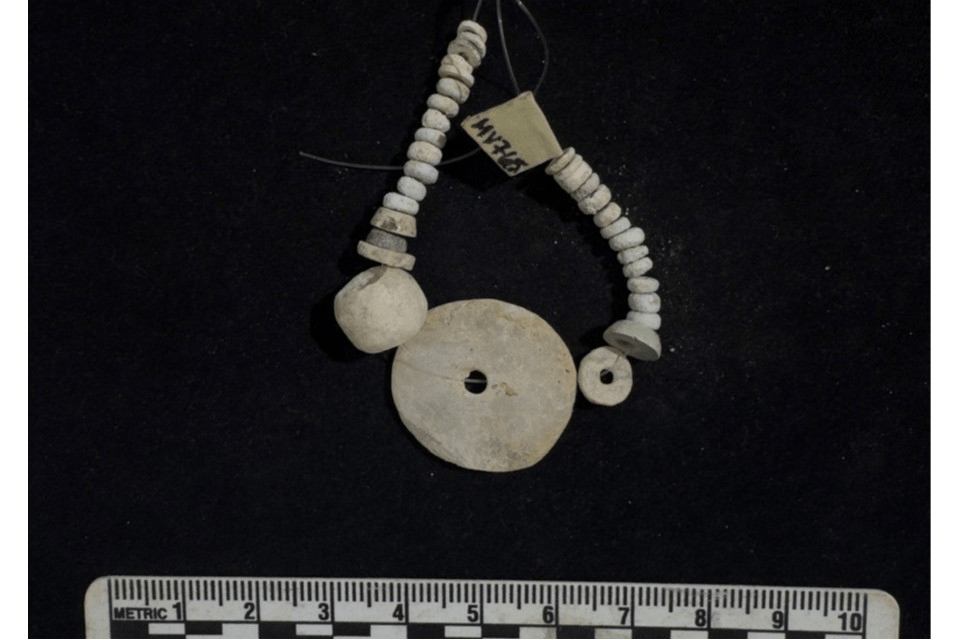
All graves had been disturbed, and grave goods were scarce. Only two tombs produced notable artefacts:
- One contained dozens of beads crafted from shell, picrolite, faience, and quartz.
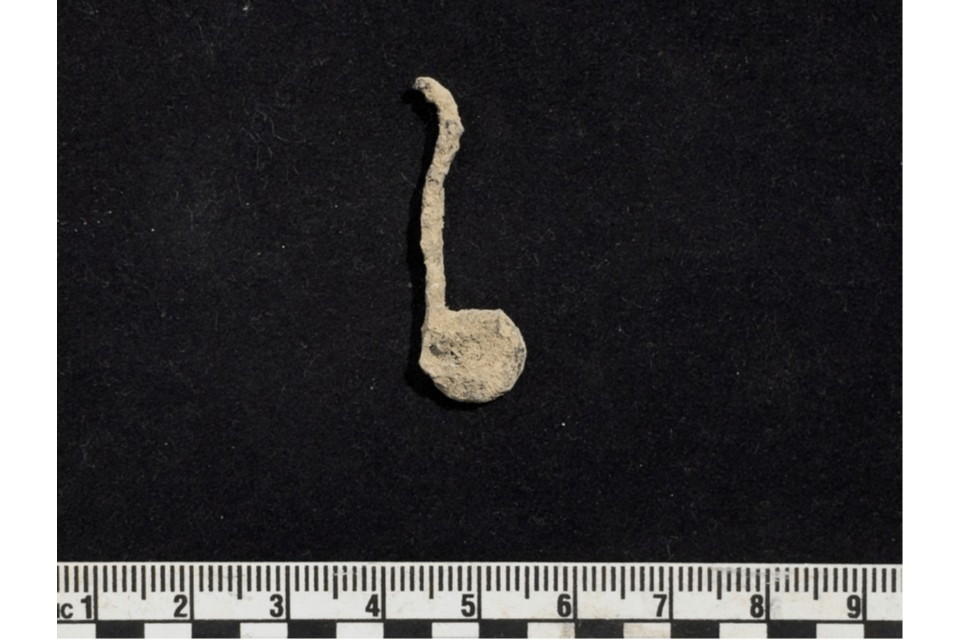
- Another yielded a partial human skeleton, accompanied by two copper spirals and fragments of copper wire.
- Based on the tomb architecture and the artefact assemblage, the cemetery is attributed to the Chalcolithic period.
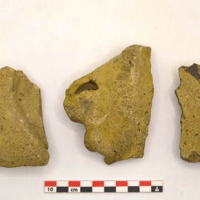
Unlike the nearby settlement—where artefacts are abundant on the surface—the cemetery area produced almost no surface finds. The only exceptions were a large grinding stone and a few ceramic sherds discovered near one of the tombs. The newly excavated cemetery at Makounta contributes valuable evidence to the ongoing study of Chalcolithic mortuary traditions in Cyprus. Its characteristics show both parallels and contrasts with the well‑known cemeteries at Souskiou, offering fresh insights into social organisation and ritual behaviour in Cypriot prehistory.
Source and Images:
– Department of Antiquities of Cyprus
– Deputy Ministry of Culture