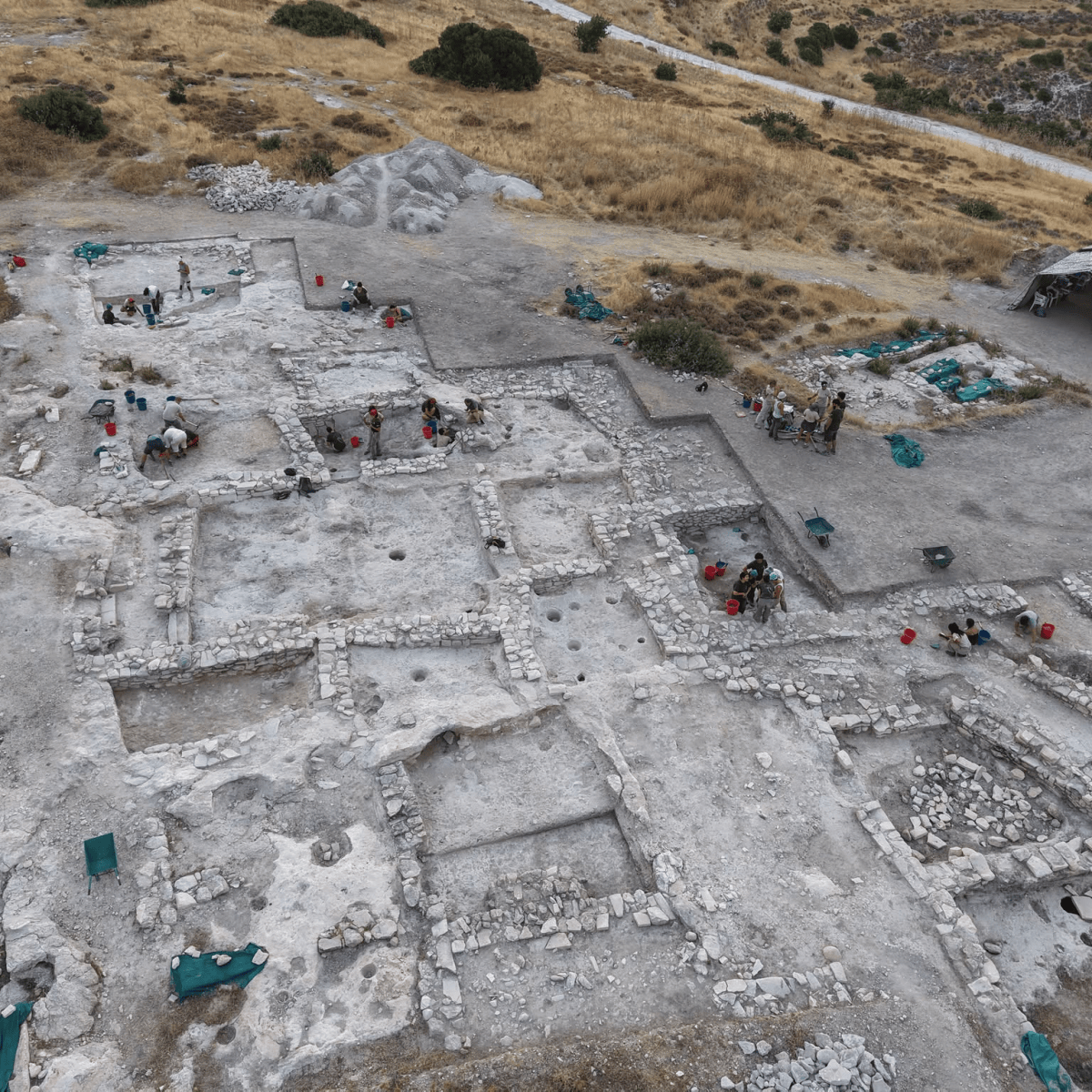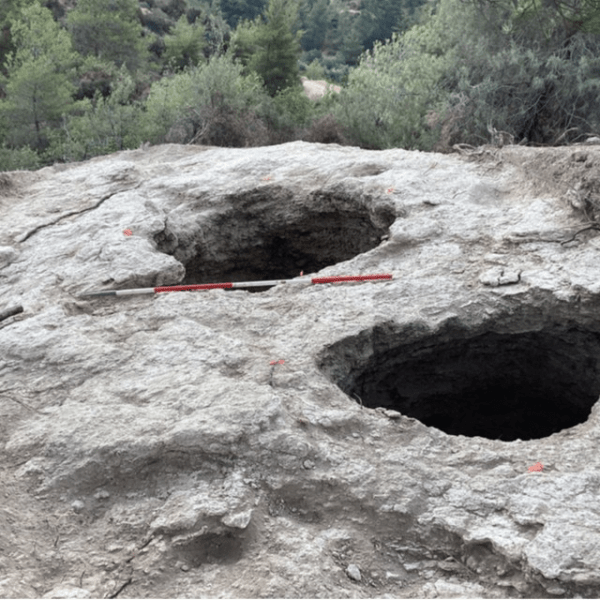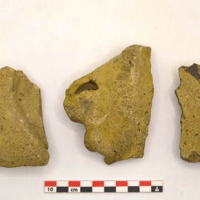
Another successful excavation season has been completed at the Sanctuary of Apollo at Frangissa. The Department of Antiquities of the Deputy Ministry of Culture announced that the joint team from the Universities of Frankfurt and Rostock has completed its 2025 campaign at Pera Oreinis — a season marked by new findings and new insights into this rural Cypriot sanctuary.
The excavation is directed by Dr Matthias Recke of the University of Frankfurt, with Dr Philipp Kobusch of the University of Rostock serving as Field Director. This fifth season has been described as the most productive to date. The work was made possible through the generous support of the Amricha Foundation in Leipzig and Argo Frankfurt.
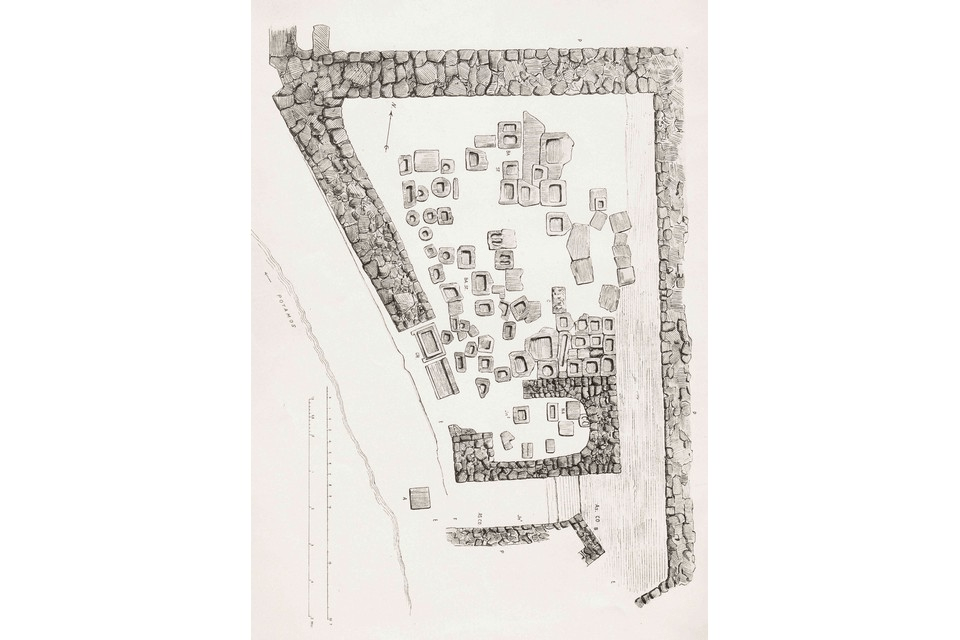
The rural sanctuary of Apollo was first explored in 1885 by archaeologist Max Ohnefalsch‑Richter, who carried out a brief excavation. His findings were never fully published, and the site’s exact location faded from memory. Modern fieldwork has now successfully relocated the sanctuary, uncovered and documented the remains of the 19th‑century excavation according to modern standards, and expanded research into previously untouched areas.
Major Discoveries of the 2025 Season
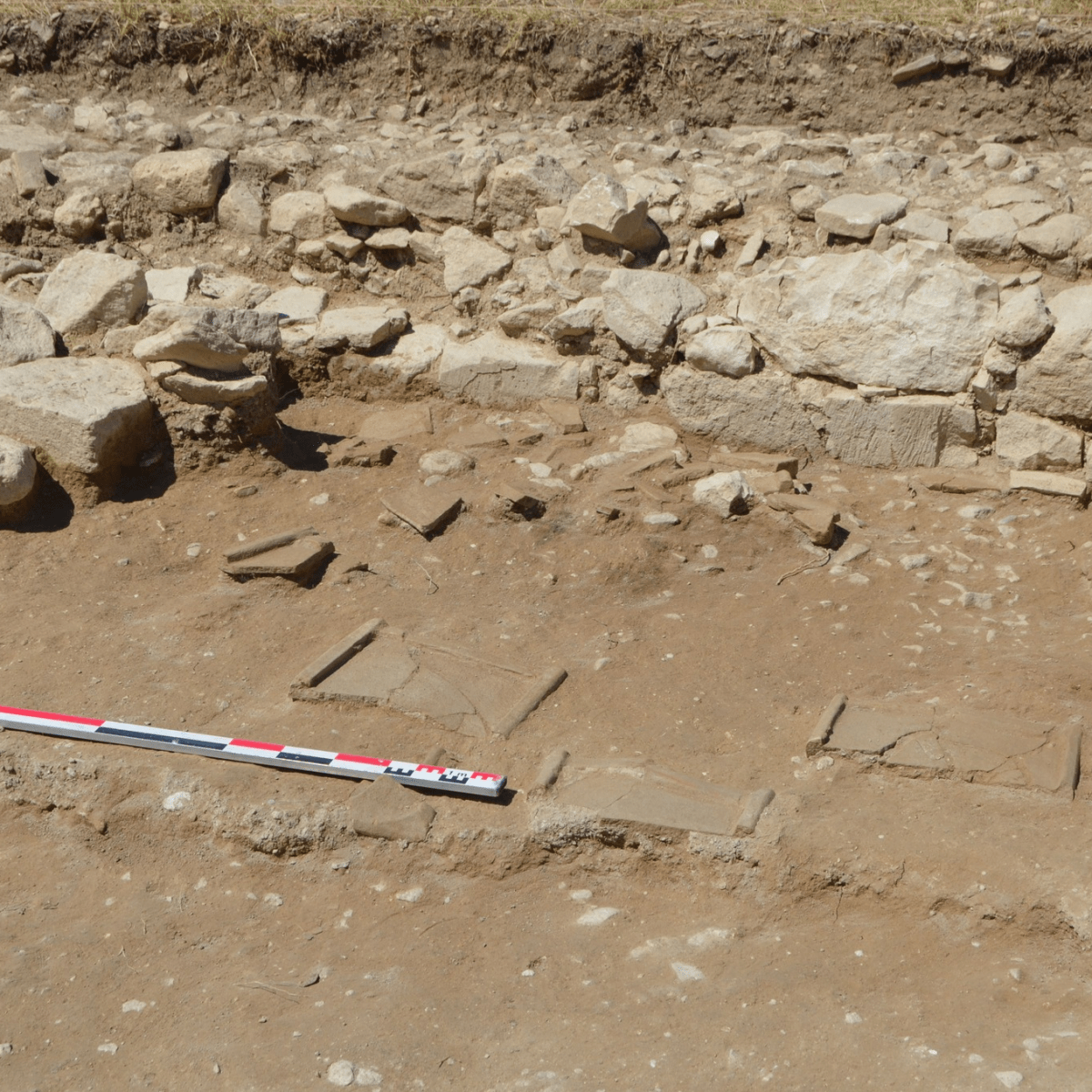
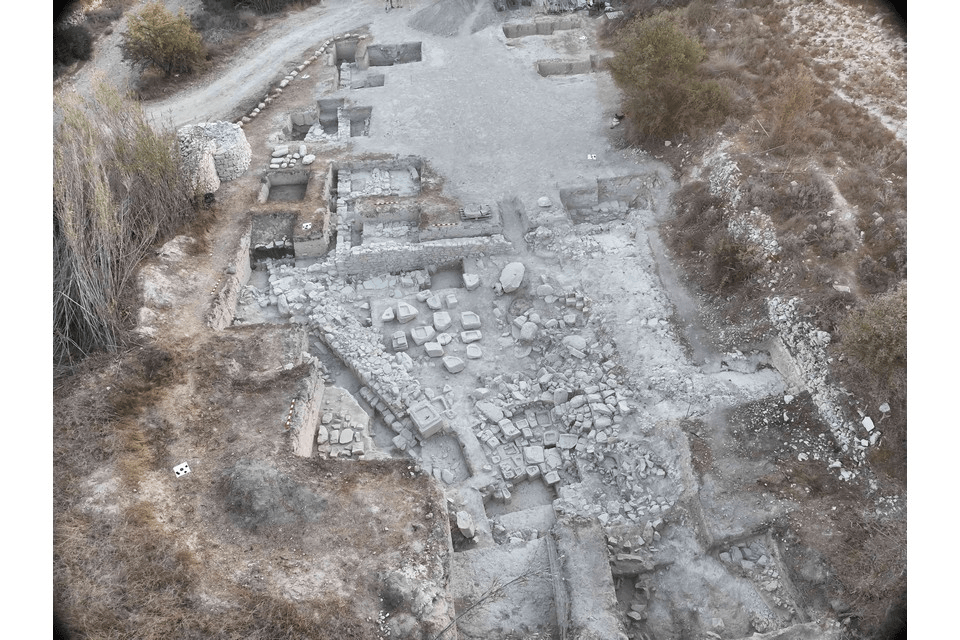
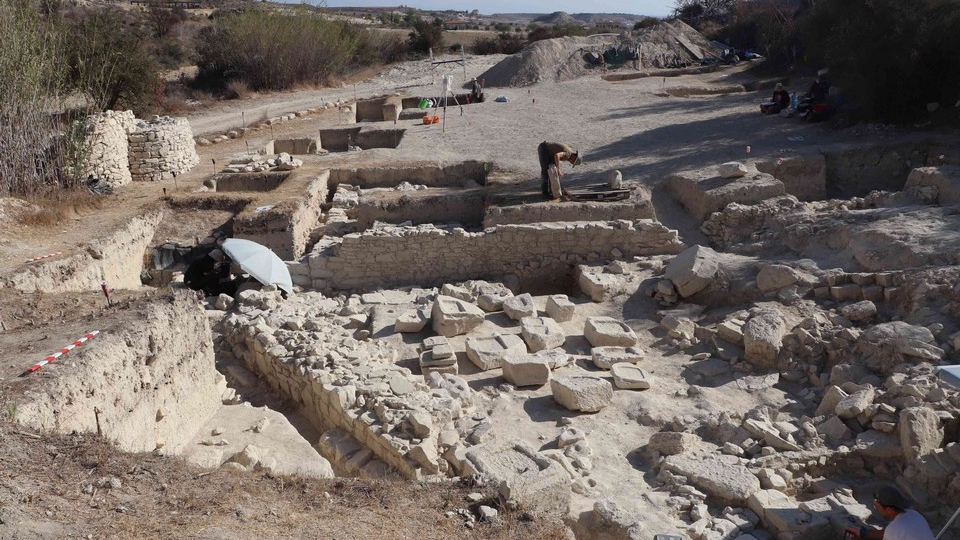
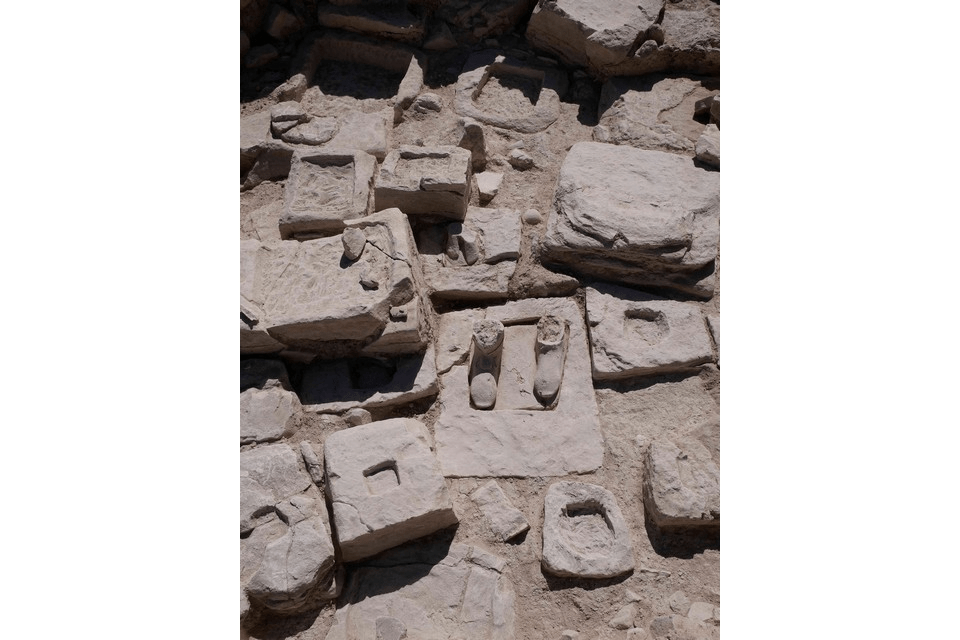
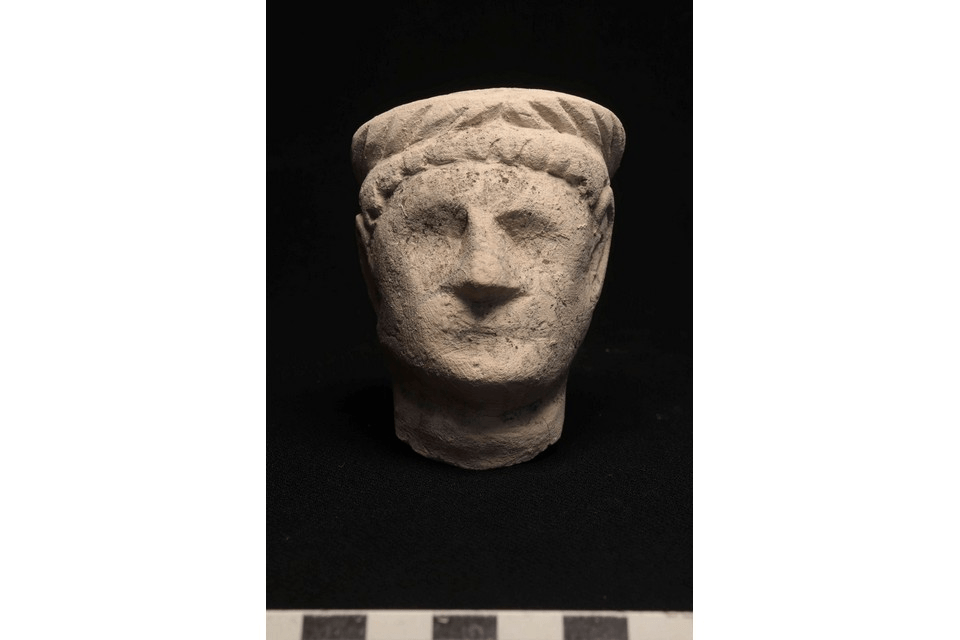
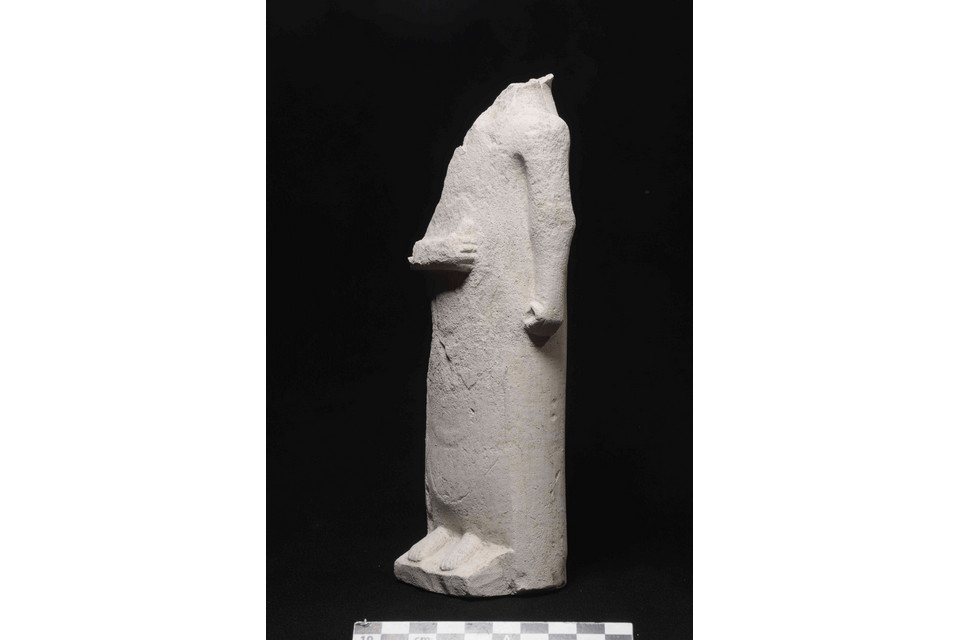
When the sanctuary was originally uncovered in 1885, it was notable for its dense concentration of votive statue bases, positioned closely together. Many of these were removed during the backfilling of the old excavation. The 2025 campaign, however, revealed more than twenty statue bases still preserved in their original positions—features that Ohnefalsch‑Richter likely never encountered. Remarkably, several bases still held the feet of the votive statues, carved in both limestone and terracotta. This discovery provides the first archaeological evidence in Cyprus that terracotta figures were not only placed directly on the ground or in rock‑cut niches, but were also mounted on dedicated limestone bases.
Another discovery is the arrangement of the bases: many are tightly clustered, and some are even stacked on top of one another, though always in such a way that both figures remain visible. This allows researchers to trace for the first time, how votive offerings accumulated over time within the sanctuary.
Stratigraphy and Architectural Reorganisation
Excavations revealed that the bases were covered in antiquity by a levelling layer, after which a new phase of base installation began. These later bases correspond to the material excavated by Ohnefalsch‑Richter, and of which the new excavations found well over 100 pieces in the refill of the old excavation. The question of whether this reorganisation of the sanctuary – presumably toward the end of the Archaic Period – was the result of destruction, as a few clues suggest, or was merely due to a lack of space, will be the focus of the next campaigns.
Archaic Layers and Chronological Depth
For the first time since the start of the modern project, archaeologists identified undisturbed Archaic‑period layers containing pottery and associated material. Combined with the newly discovered in situ statue bases and fragments, these finds provide the first secure archaeological confirmation of the sanctuary’s Archaic phase, previously known only from scattered sculptural pieces.
The latest discoveries allow researchers to reconstruct how the sanctuary evolved over time and to uncover the social and ritual practices that influenced its architecture and the positioning of its votive gifts from the Archaic era to the Hellenistic age.
Source and Images:
– Department of Antiquities of Cyprus
– Deputy Ministry of Culture