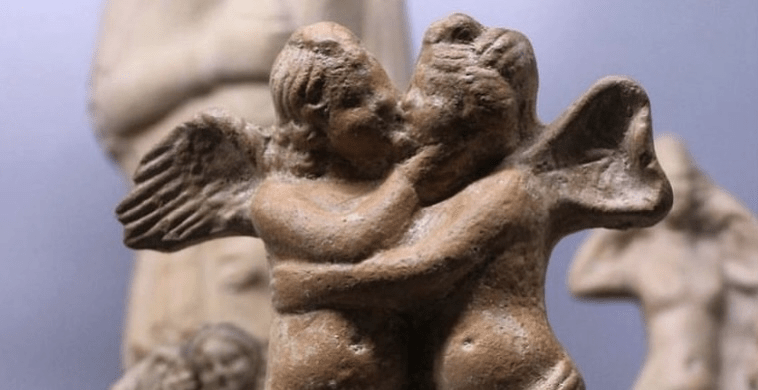
Love as seen through art in ancient Cyprus: a terracotta complex of love and passion.
The myth of the two lovers dates back to the Hellenistic times, in Greek art as early as the 4th century BC. The written story comes from the Metamorphoses written in the 2nd century AD by Lucius Apuleius Madaurensis.
It is the story of Eros, the beloved son of Aphrodite, the personification of intense love desire and Psyche, a beautiful maiden, the personification of the human soul. The myth beautifully describes the meaning of love and soul, as one. It describes the obstacles, the dilemma, the disappointments of the two lovers who manage to go through all obstacles and unite with a mystic marriage.
The terracotta of the two lovers is dated in the Roman period and it is exhibited in the Cyprus Museum, at Nicosia.
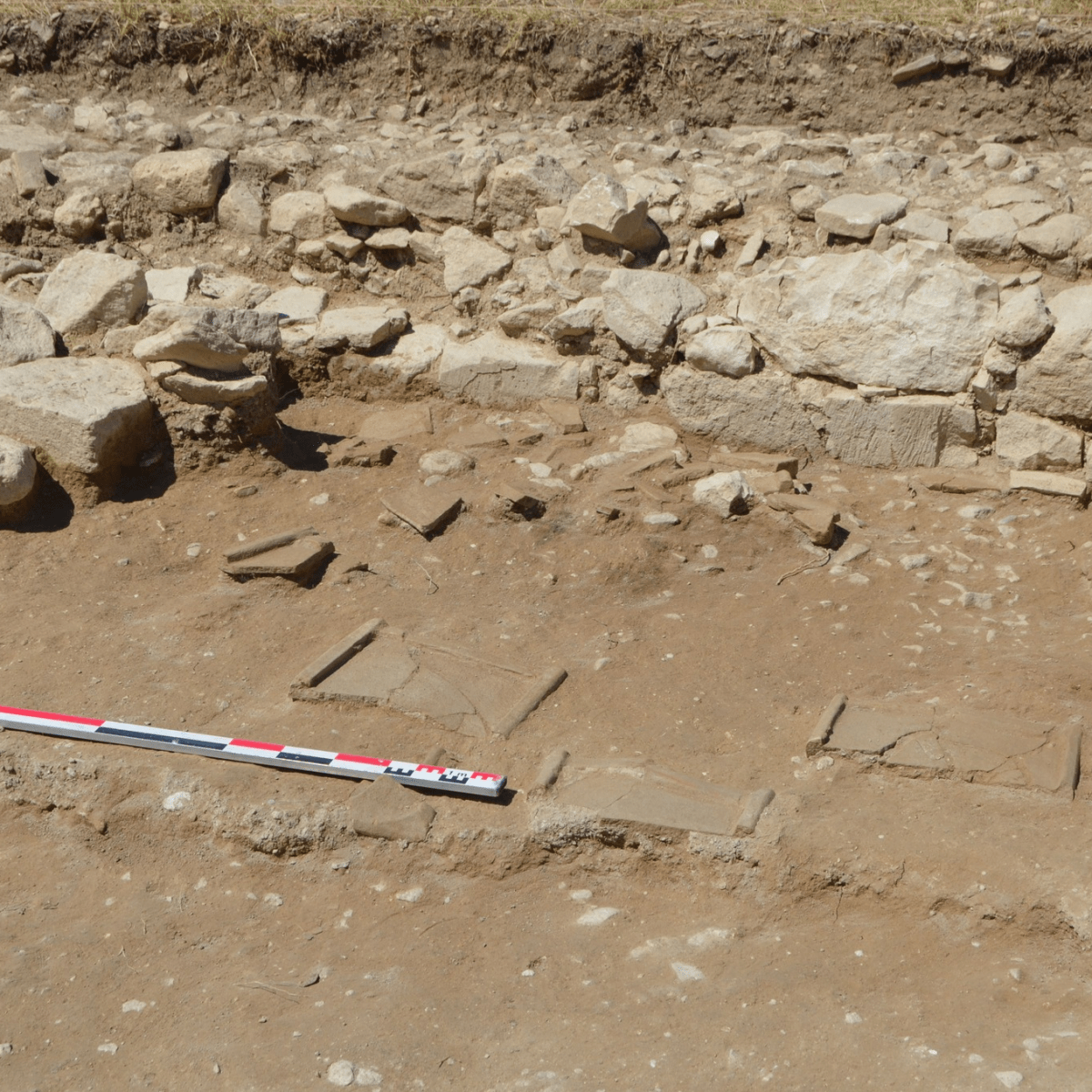
The French archaeological mission at Amathous—carried out by the French School at Athens, the French Ministry for Europe and Foreign Affairs, and Laboratoire HiSoMA, MOM, Lyon—completed its second excavation season on the West Terrace of the acropolis between 30 March and 24…
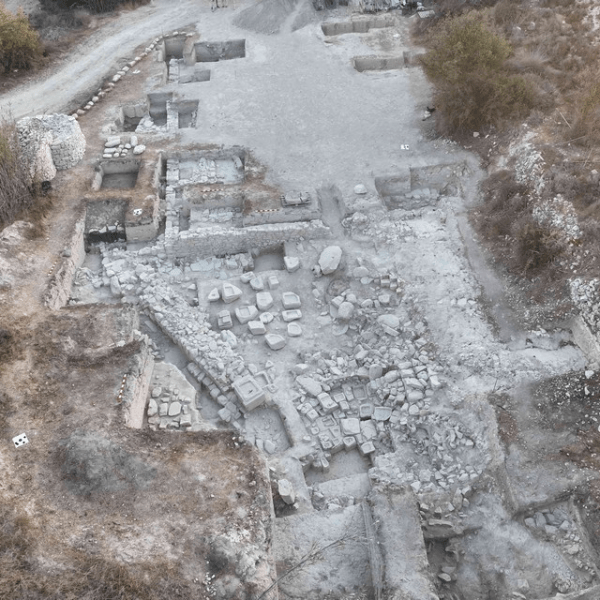
Another successful excavation season has been completed at the Sanctuary of Apollo at Frangissa. The Department of Antiquities of the Deputy Ministry of Culture announced that the joint team from the Universities of Frankfurt and Rostock has completed its 2025 campaign at…
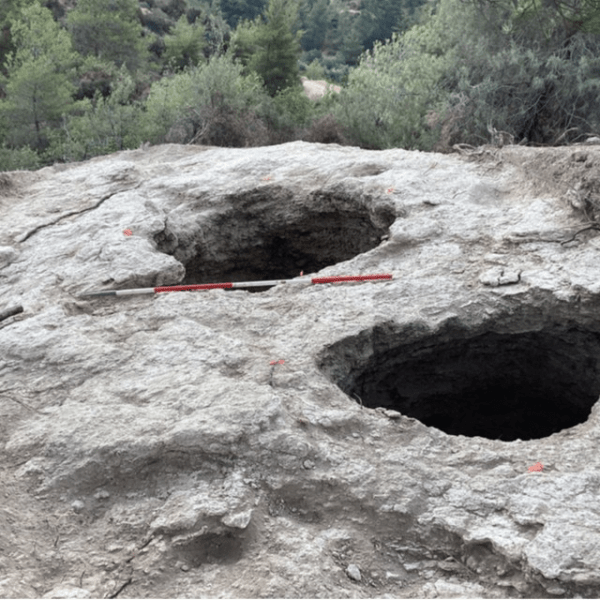
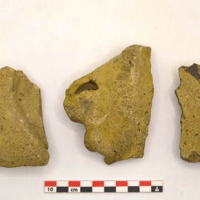
The Department of Antiquities of the Deputy Ministry of Culture of the Republic of Cyprus has announced the completion of the 2025 excavation season carried out by the North Carolina State University team at the prehistoric cemetery of Makounta–Voules/Mersinoudia in the Pafos…
The Department of Antiquities of the Deputy Ministry of Culture has announced the successful completion of the 2025 field campaign of the Hala Sultan Tekke Hinterland Project, a multi‑year research initiative exploring the wider landscape surrounding the major Late Bronze Age urban…
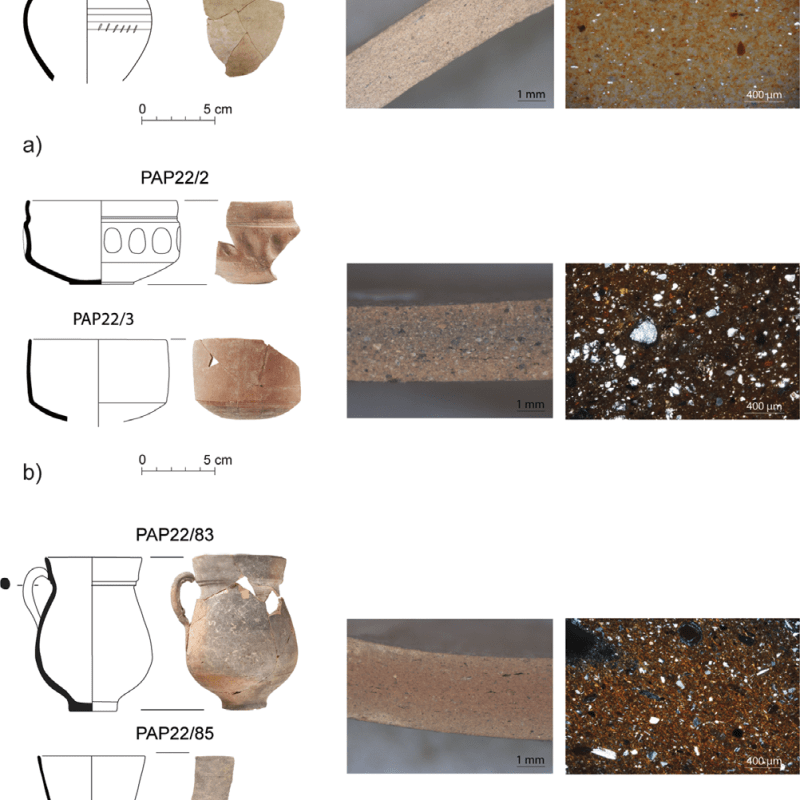
A Window into Roman-Era Drinking HabitsA new open-access study by Małgorzata Kajzer and Edyta Marzec (2026) sheds fresh light on how people in Early Roman Nea Paphos consumed—and produced—thin-walled pottery, a signature small-sized drinking tableware. The research focuses on finds from the…
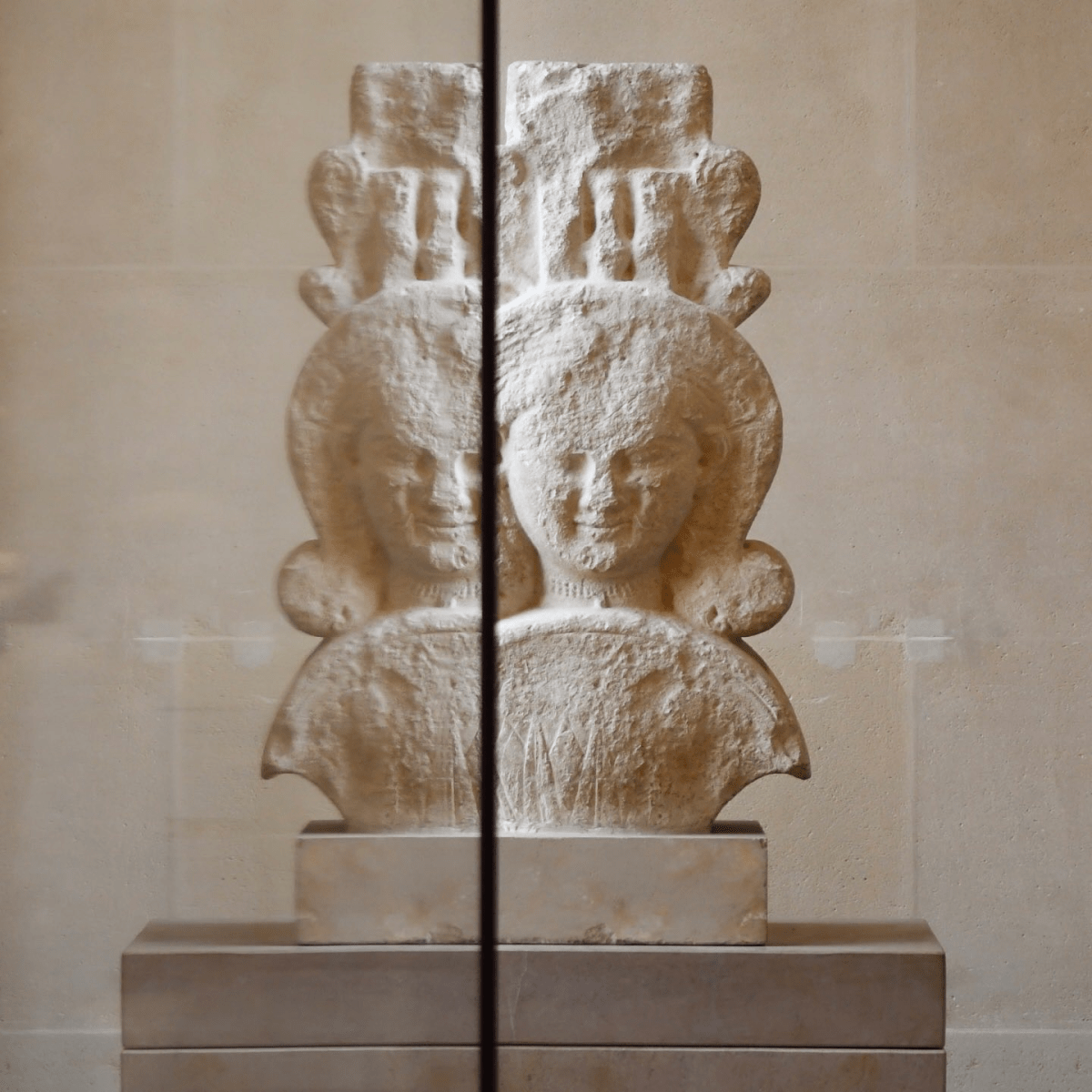
Cyprus Archaeology is the new spotlight at the Musee de Louvre in Paris. One of the largest and most important museums in the world, hosts a new exhibition focusing on Cyprus archaeology and culture, as part of the Cultural Programme of the…

 cyprus archaeology gazette