A unique White Painted V oval amphora from ancient Idalion
This unique piece of Archaic pottery was discovered in 1928, during the Swedish Cyprus Expedition at the ancient Kingdom of Idalion.
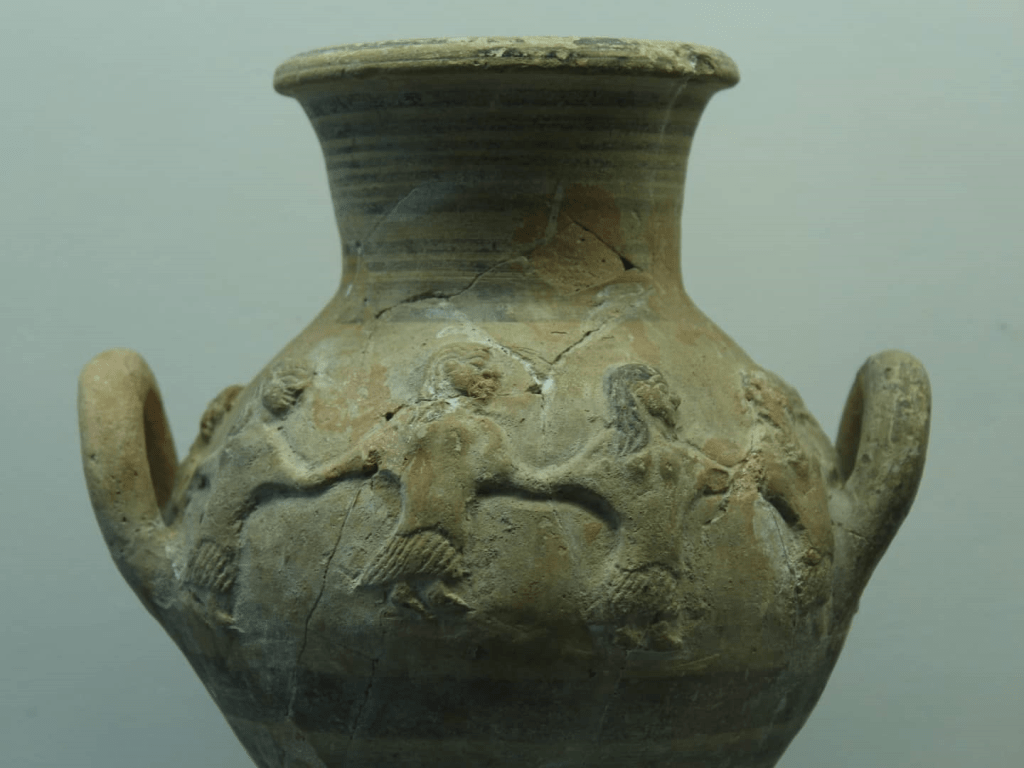
Figure 1. The amphora
This White Painted V oval amphora with base-ring, was discovered at the Western Acropolis of Idalion by the Swedish Cyprus Expedition around 1928. The item was found in pieces and it was fully restored. Based on its typology, it is dated in the Cypro-Archaic II period (600-475 B.C.). It is one of the three WPV specimens found by the Swedish at the site.
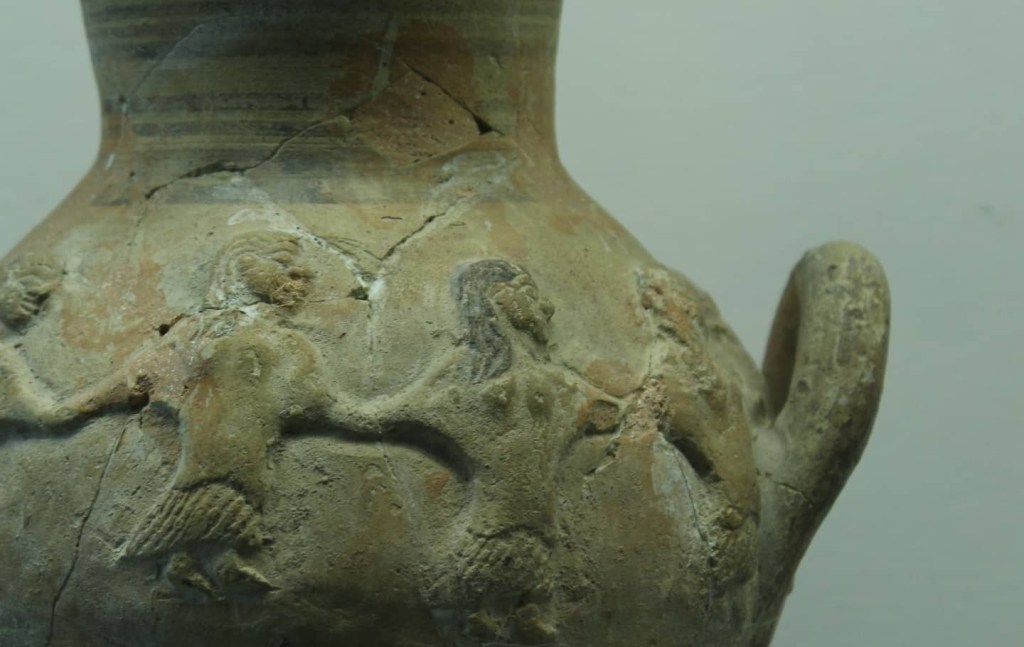
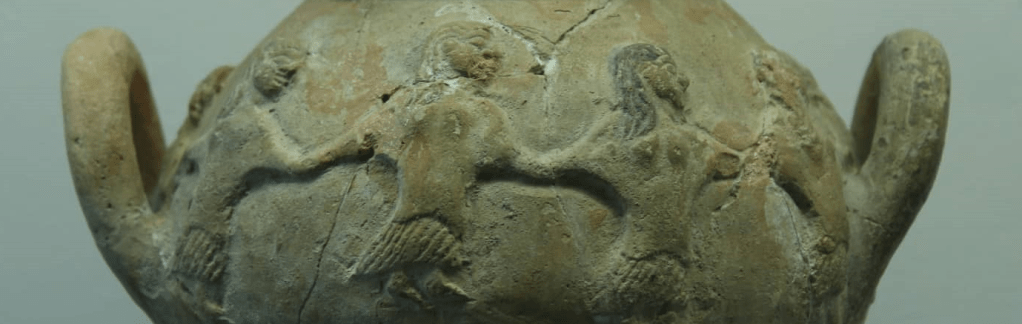
It has 20, 25 cm height and it is decorated with a a relief frieze. The decoration is covering the shoulder and the belly of the amphora. The relief frieze consists of a scene of dancing female figurines holding each other’s hand, in coarse execution (Figure 2).
Figure 2. Detail of the frieze.
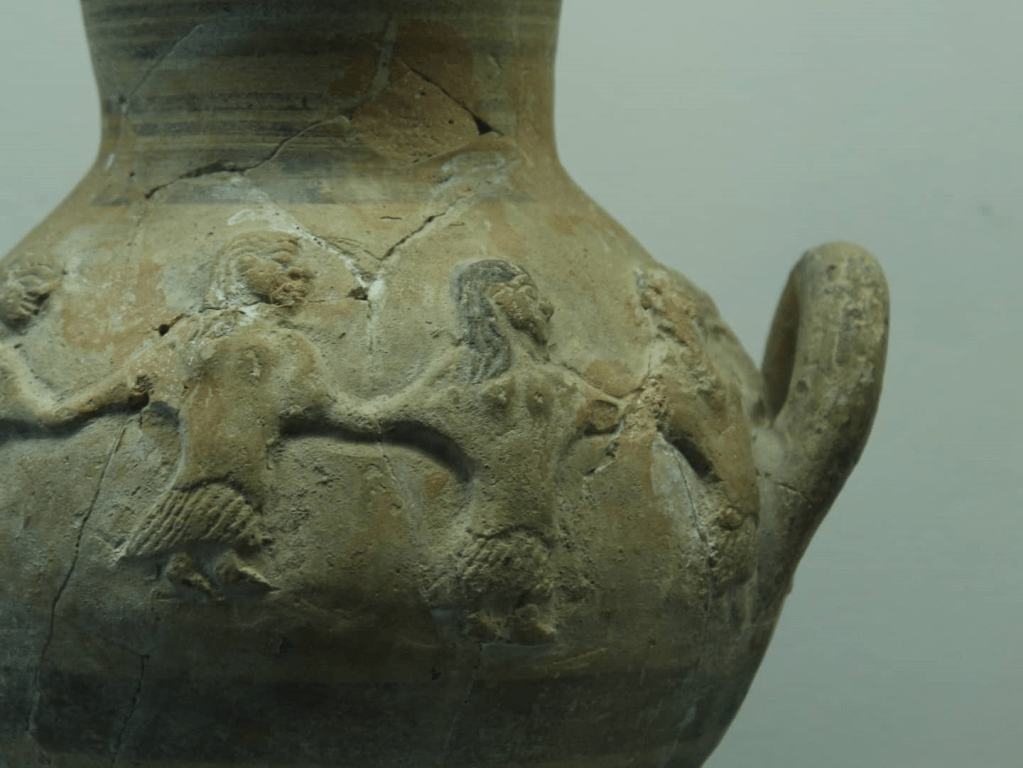
The feet and the faces of the female figurines are in profile while the body is depicted en face. All the figurines are dressed in long chitons and short cloaks with long, wide sleeves. The hair is combed behind the ears, and falls freely down the back and shoulders (Figure 3).The amphora is now exhibited at the Cyprus Museum of Nicosia among the Cypro-Archaic II period pottery, at Room III.
The Amphora was discovered in one of the major city-kingdoms of the Iron Age, Idalion. It is situated in the centre of Cyprus, just 10 km from the copper mining area of eastern Troodos foothills. The city during the Iron Age holds a key position in the political and economic scene of the island as well as acts like a link between the mining areas and the harbour towns from which copper was exported (Hadjicosti, 2012).
Research and photos: Cyprus Archaeology Team
Bibliography
Gjerstad, E. et al. (1935) “THE SWEDISH CYPRUS EXPEDITION: Finds and Results of the Excavations in Cyprus 1927-1931. VOL. II TEXT”, The Swedish Cyprus Expedition, Stockholm
Hadjicosti, M. 2012. Idalion. In D. Pilides and N. Papadimiitriou, Ancient Cyprus: cultures in dialogue. Department of Antiquities, Cyprus.
The French archaeological mission at Amathous—carried out by the French School at Athens, the French Ministry for Europe and Foreign Affairs, and Laboratoire HiSoMA, MOM, Lyon—completed its second excavation season on the West Terrace of the acropolis between 30 March and 24…
Another successful excavation season has been completed at the Sanctuary of Apollo at Frangissa. The Department of Antiquities of the Deputy Ministry of Culture announced that the joint team from the Universities of Frankfurt and Rostock has completed its 2025 campaign at…
The Department of Antiquities of the Deputy Ministry of Culture of the Republic of Cyprus has announced the completion of the 2025 excavation season carried out by the North Carolina State University team at the prehistoric cemetery of Makounta–Voules/Mersinoudia in the Pafos…
The Department of Antiquities of the Deputy Ministry of Culture has announced the successful completion of the 2025 field campaign of the Hala Sultan Tekke Hinterland Project, a multi‑year research initiative exploring the wider landscape surrounding the major Late Bronze Age urban…
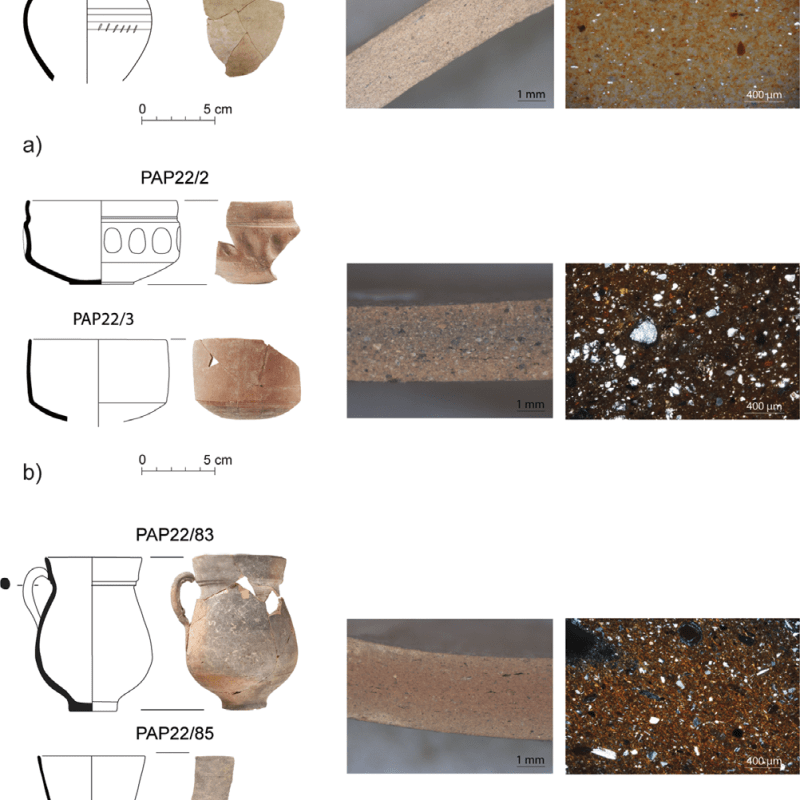
A Window into Roman-Era Drinking HabitsA new open-access study by Małgorzata Kajzer and Edyta Marzec (2026) sheds fresh light on how people in Early Roman Nea Paphos consumed—and produced—thin-walled pottery, a signature small-sized drinking tableware. The research focuses on finds from the…
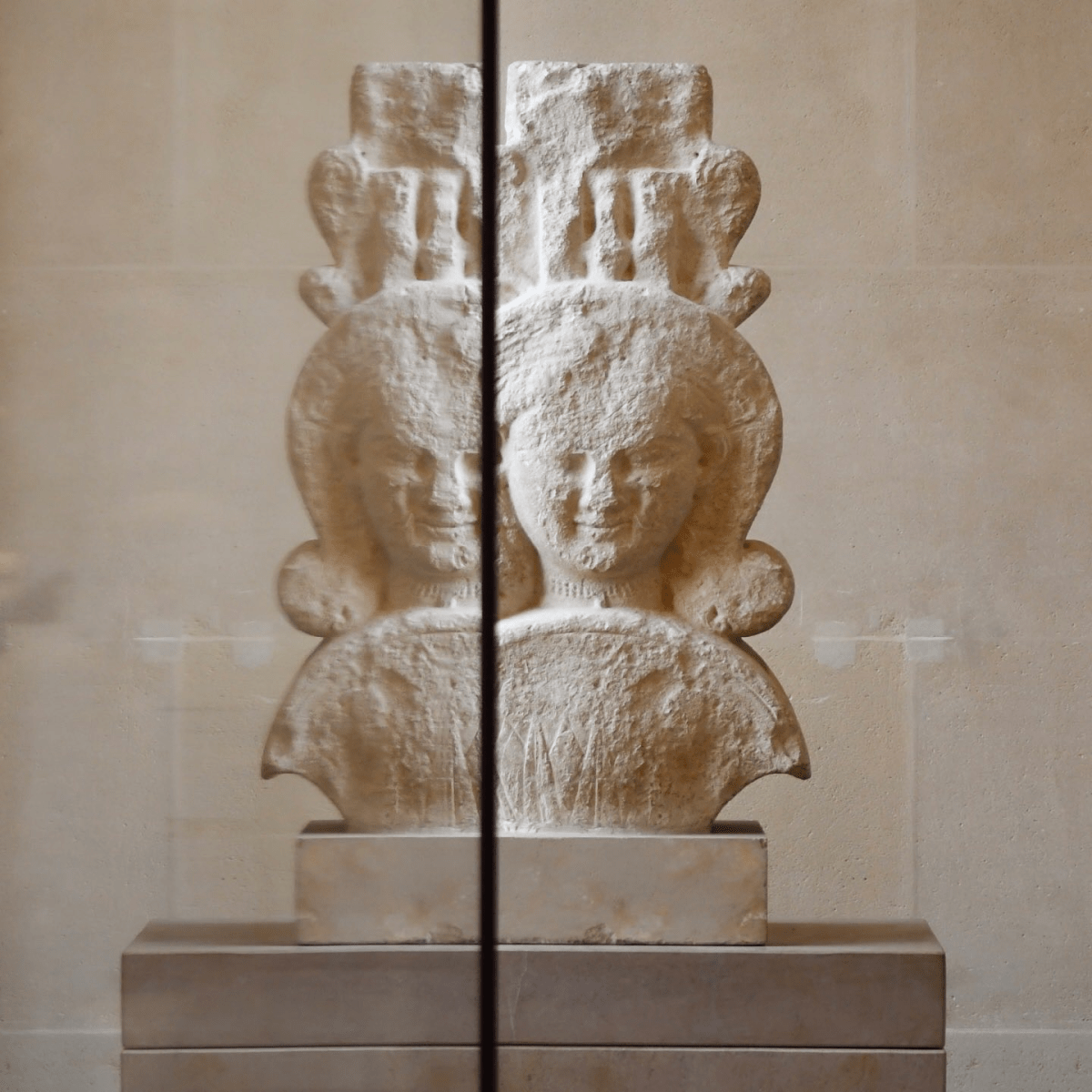
Cyprus Archaeology is the new spotlight at the Musee de Louvre in Paris. One of the largest and most important museums in the world, hosts a new exhibition focusing on Cyprus archaeology and culture, as part of the Cultural Programme of the…

 cyprus archaeology gazette