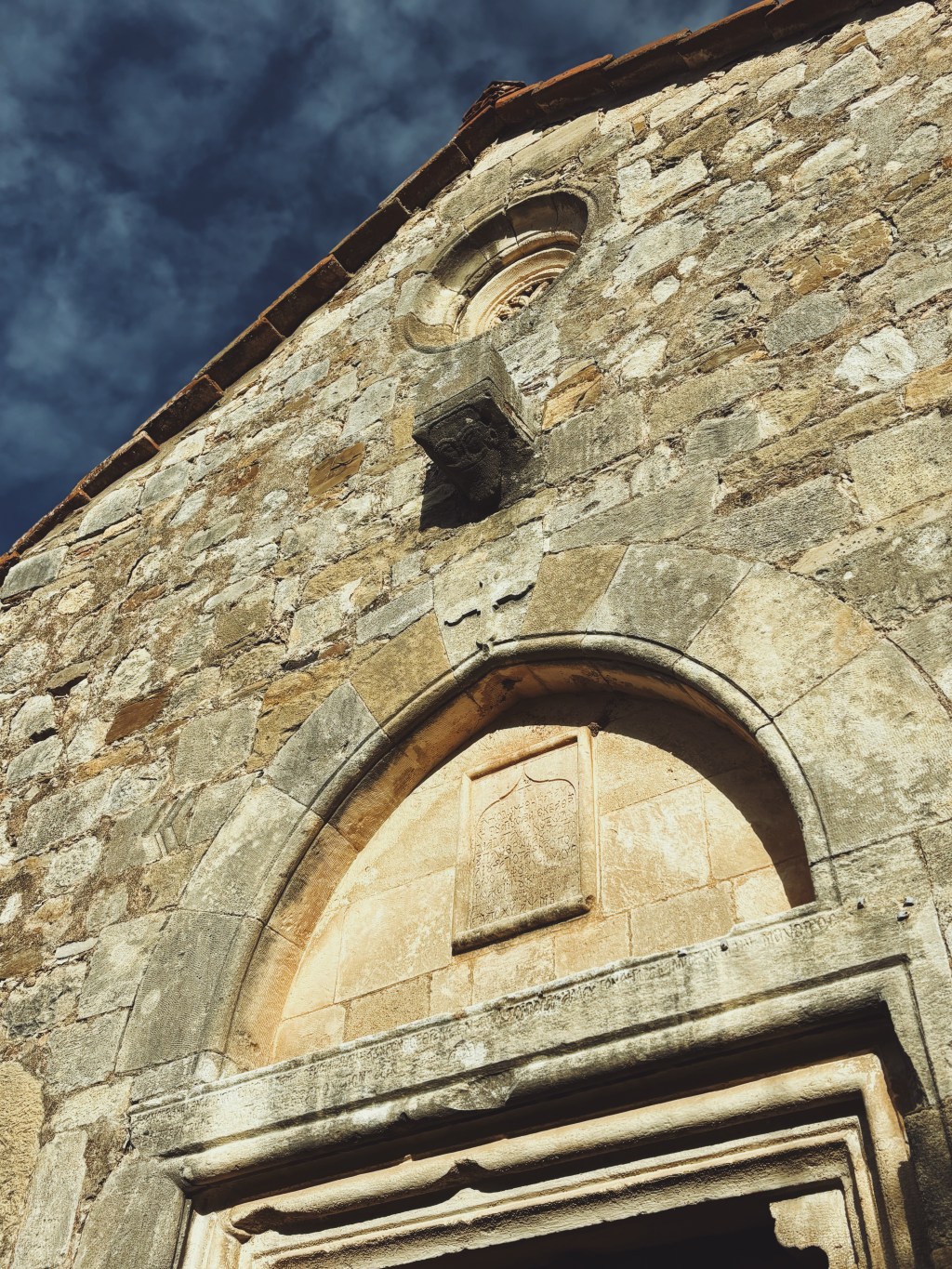
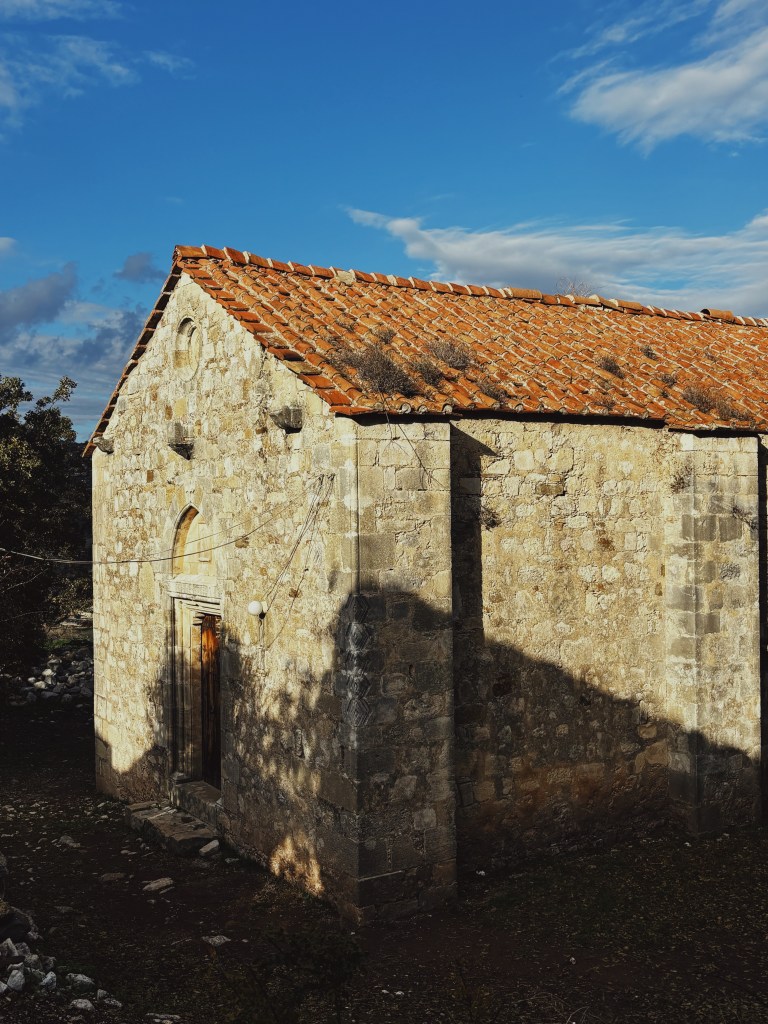
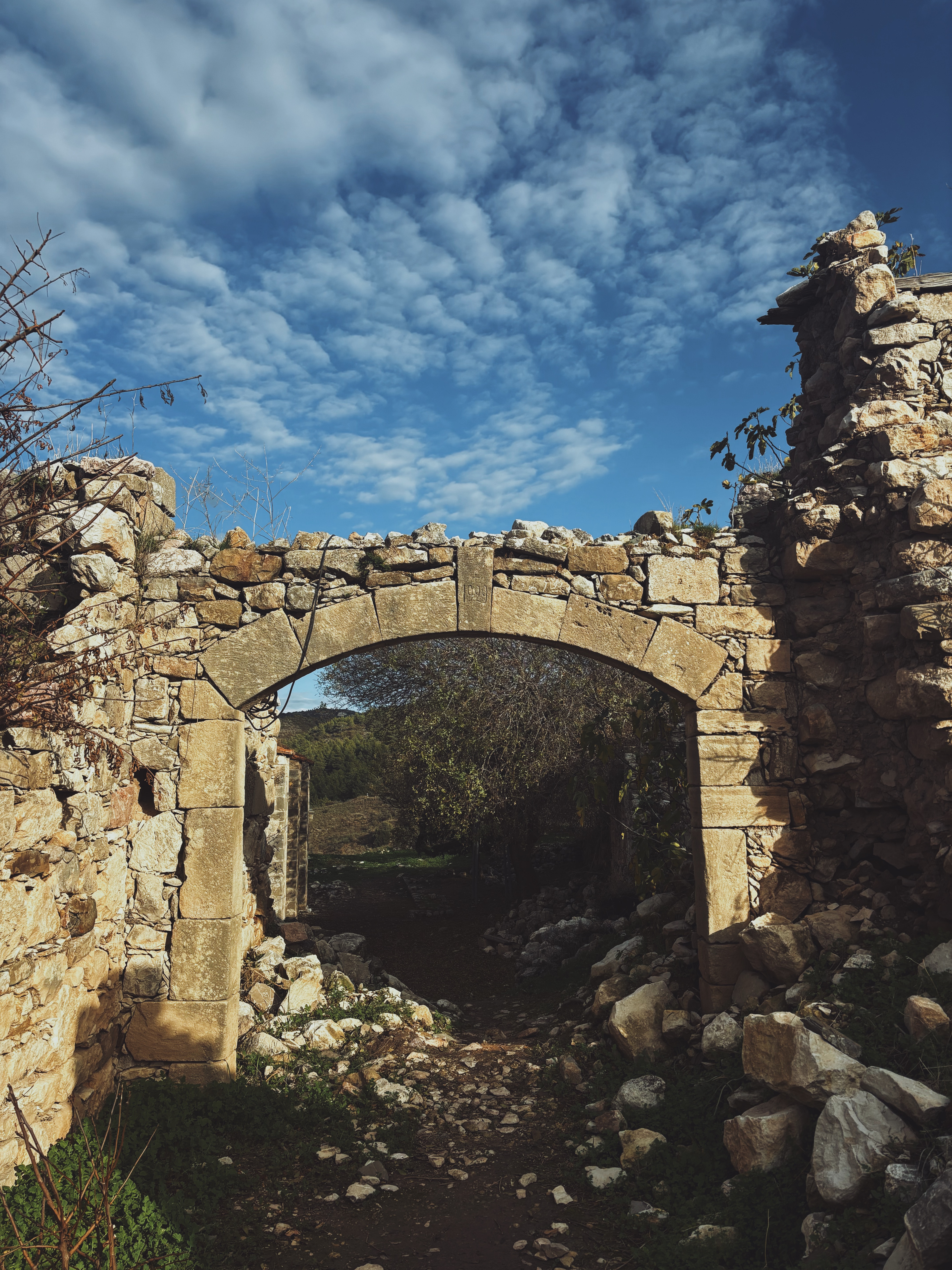
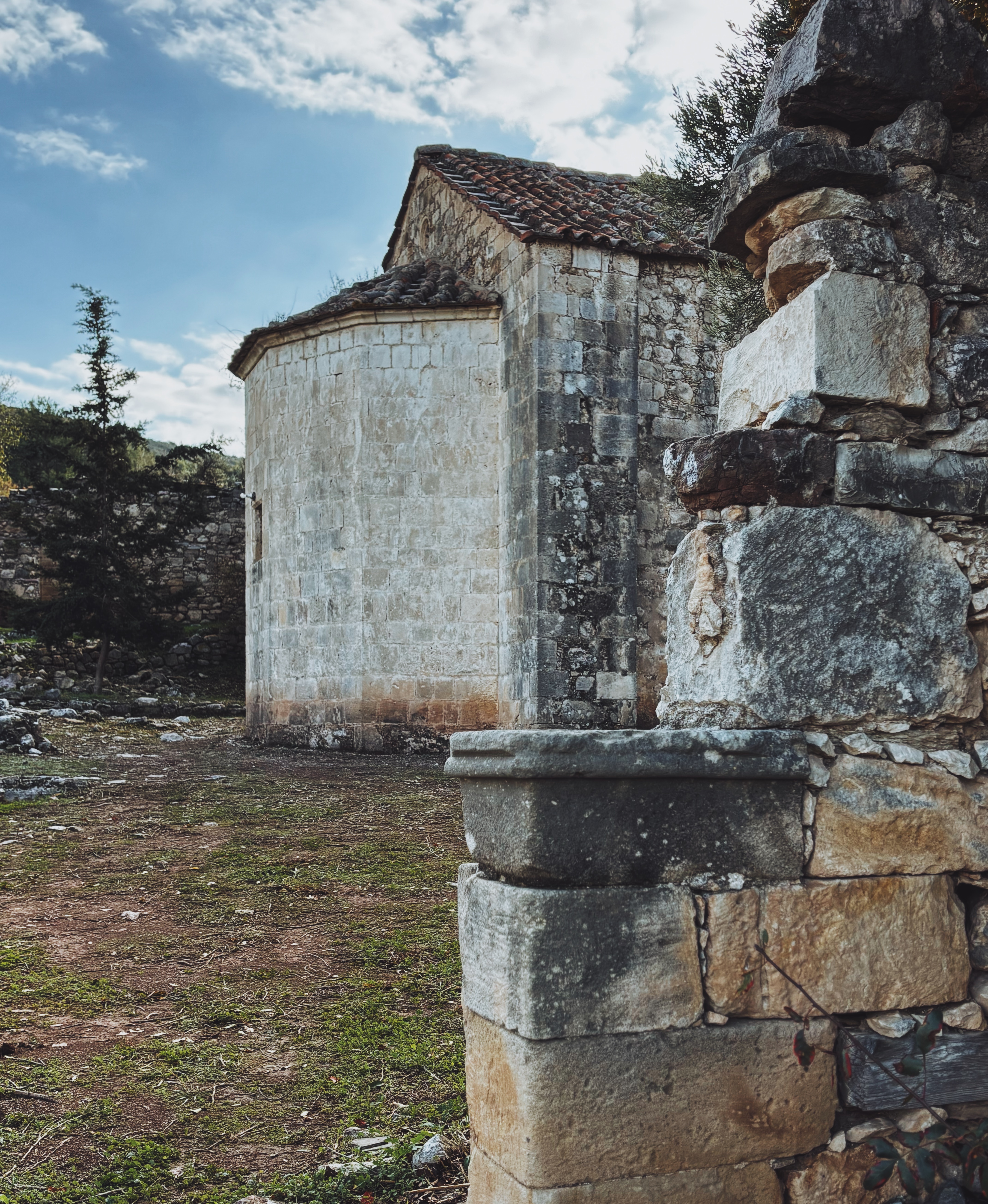
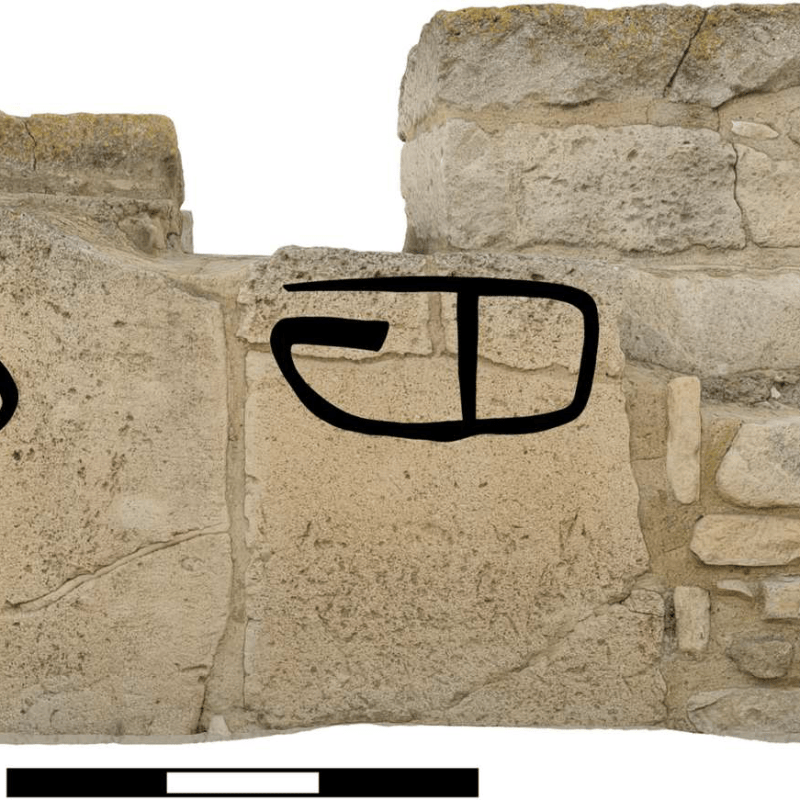
Hidden in the mountainous rural Paphos, on the east bank of Diarizos River, the ruined Monastery of Agios Savvas tis Karonos creates a unique medieval scenery. The monastery was founded at some point during the 12th century AD and it was mentioned in rare documents of the time, including a document of Pope Clement dated 1/2/1306. The monastery is said to have been found by Agios Ioannis in 1120 A.D., who was also its first Hegumenos, and later on Metropolitan of Paphos. According to other sources, the Monastery took its name after of the homonymous saint of Jerusalem.
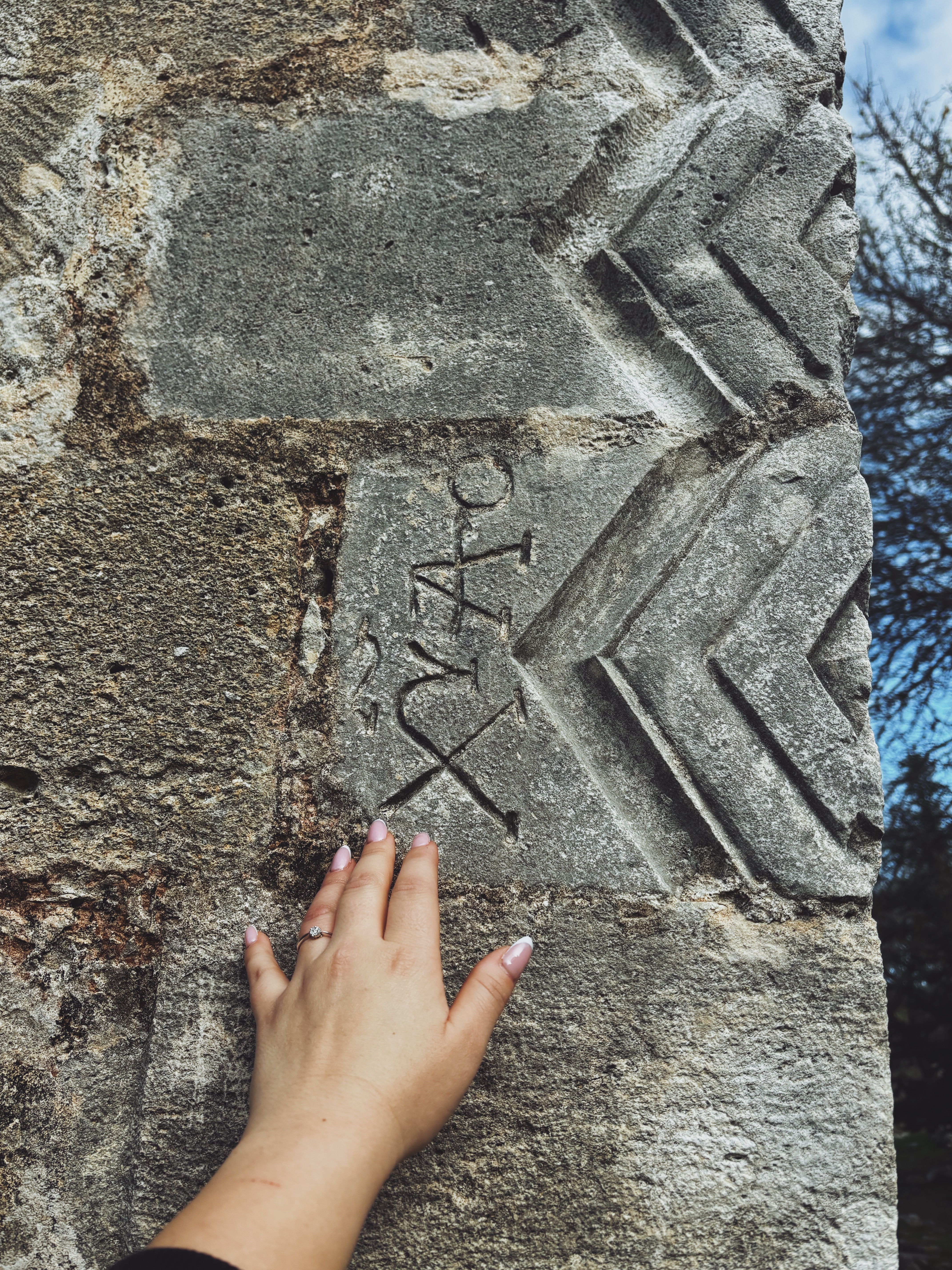
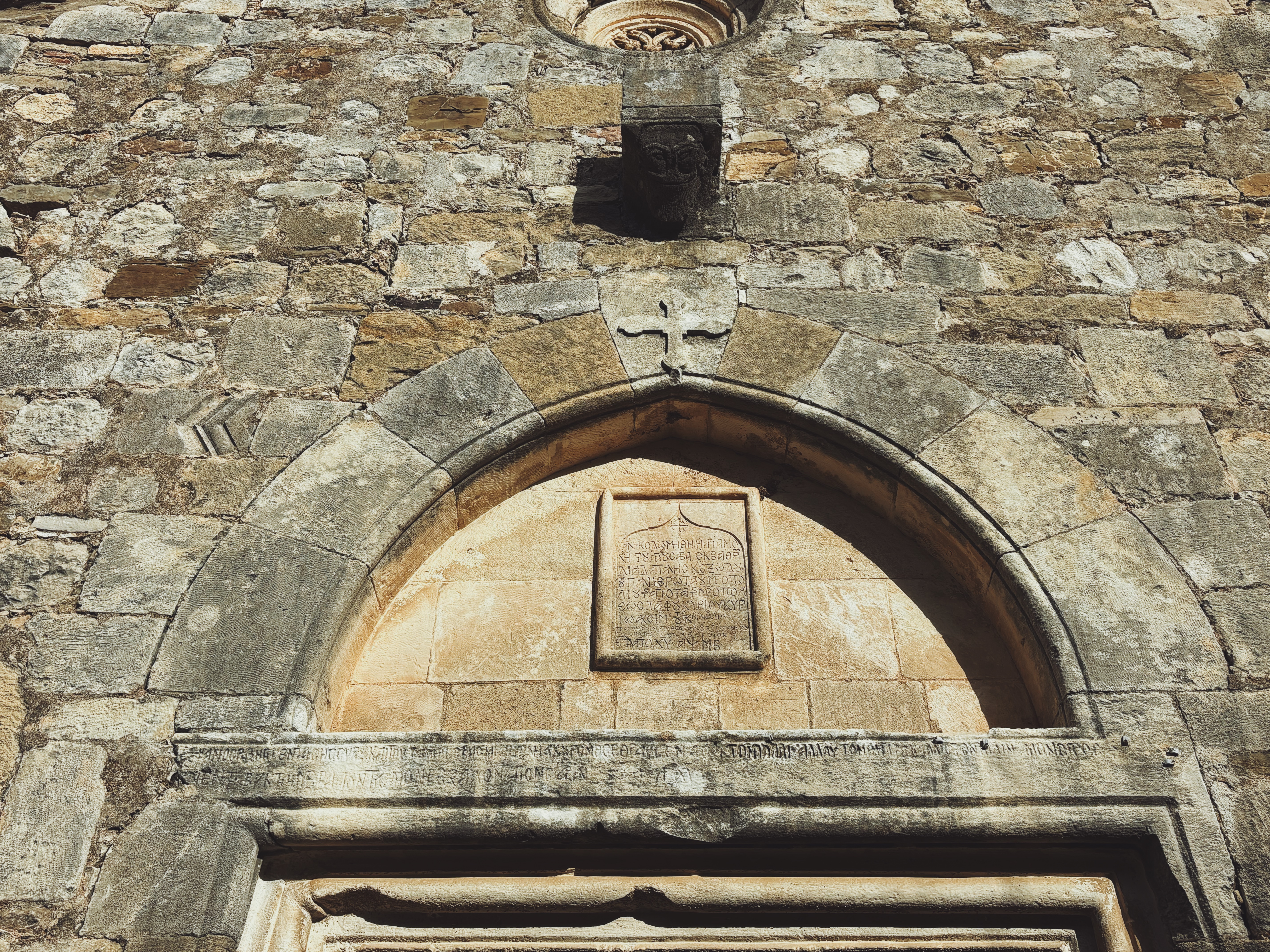
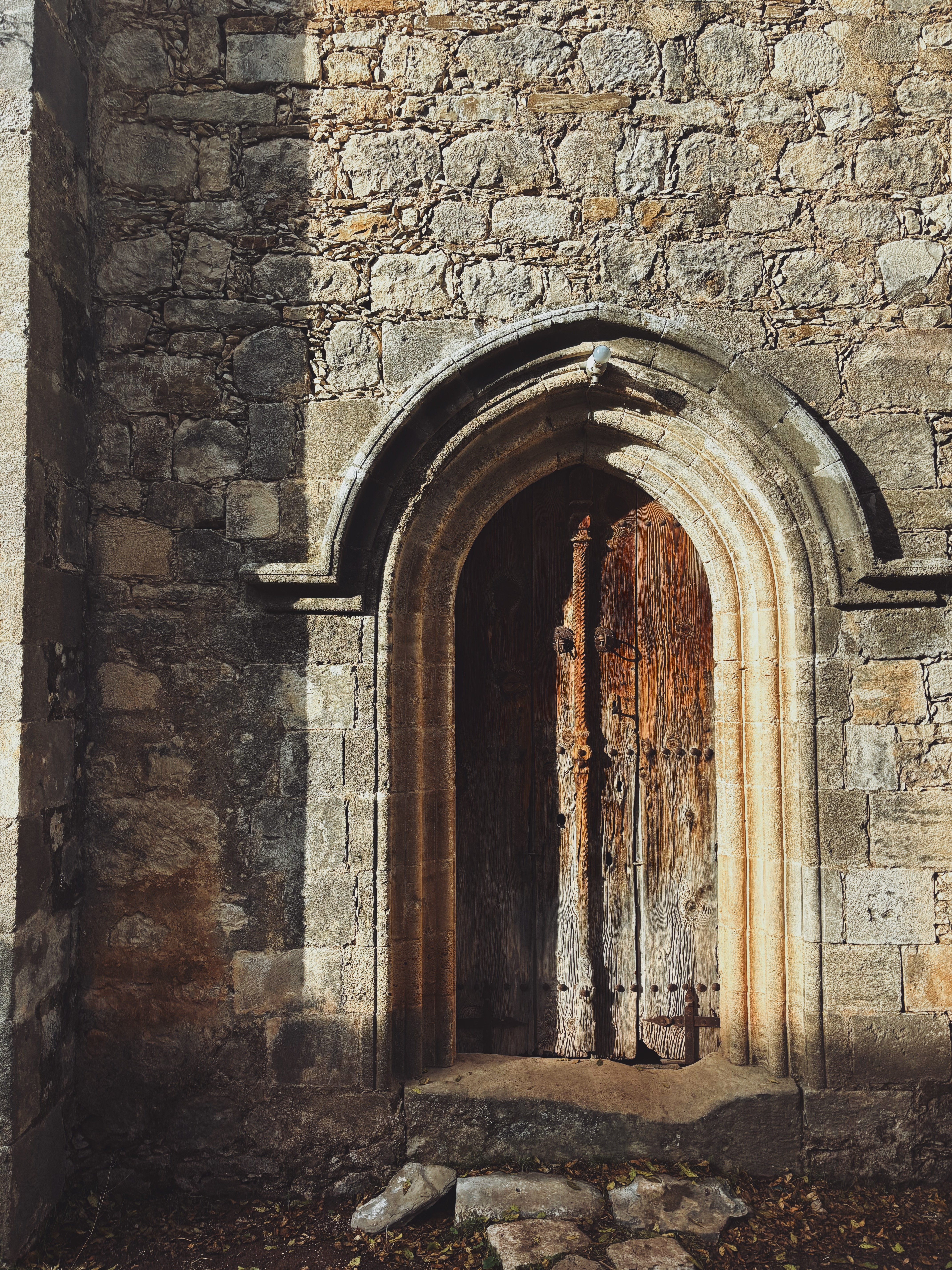
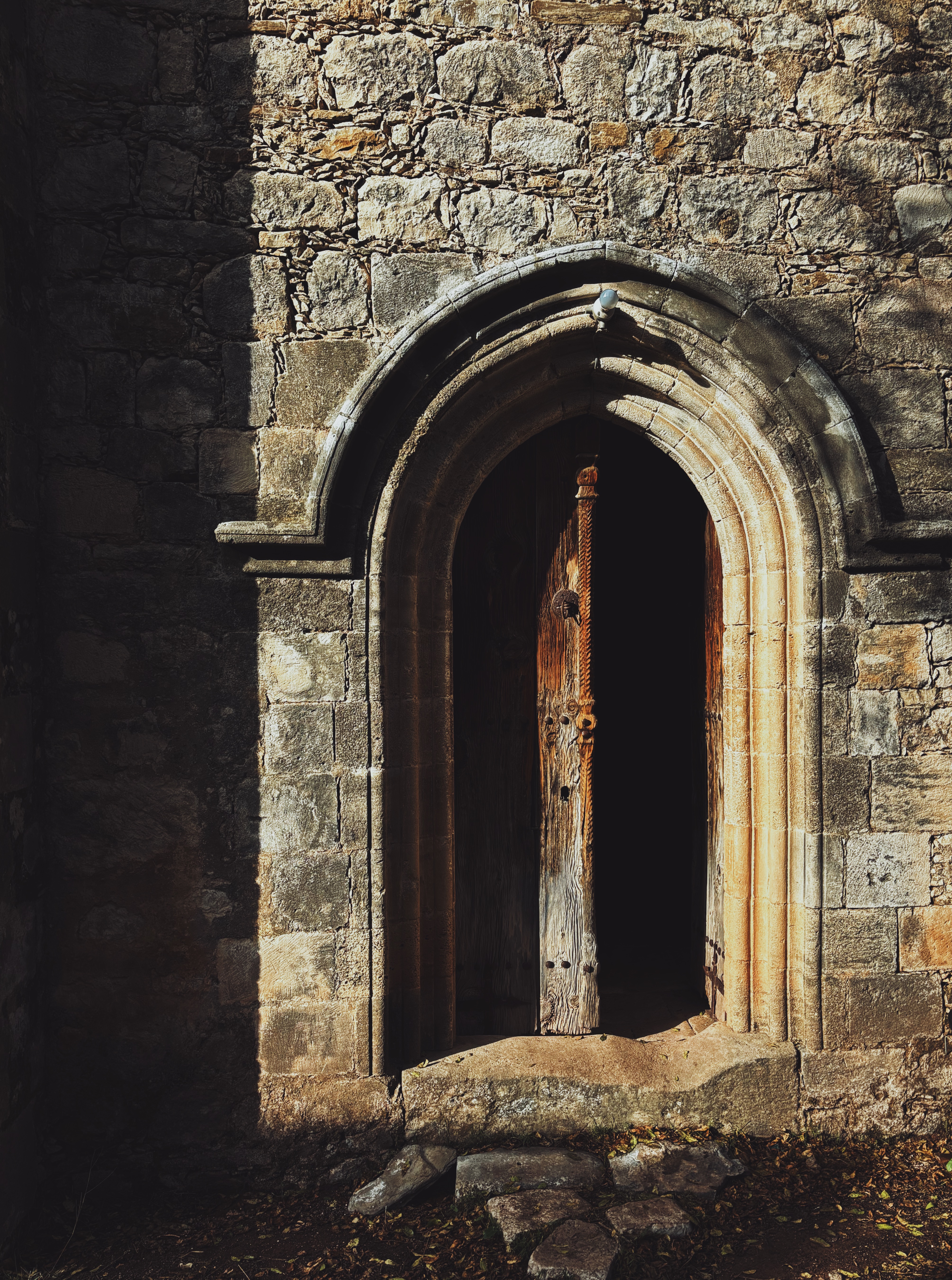
The main church was initially a three-aisle structure, while it took its current form in the 16th century. For the construction of the last phase of the church, architectural parts and material used for the construction of the original church were used, including Gothic arched doorways and parts of columns.
The monastery hosted a series of rare icons of various styles and dates, the most important of which are those of Panagia Eleousa (~1200), Saint Savvas of about the same era, and Panagia Hodegetria of 1521, a work by the Cypriot painter Titos. The icons are currently in the Paphos Metropolis. Today, the main church has been repaired and functions as a chapel of the village of Trachypedoula.
Research and Text: Cyprus Archaeology Gazette Photographs: Grigoria Ioannou for Cyprus Archaeology Gazette Bibliography & Sources: – Paphos Metropolis, https://impaphou.org
A major archaeological discovery has come to light in Larnaka (ancient Kition), where researchers have identified 23 previously unknown ships dating back more than 3,000 years, to the period traditionally associated with Homeric Cyprus. The find, announced by the Department of Antiquities,…
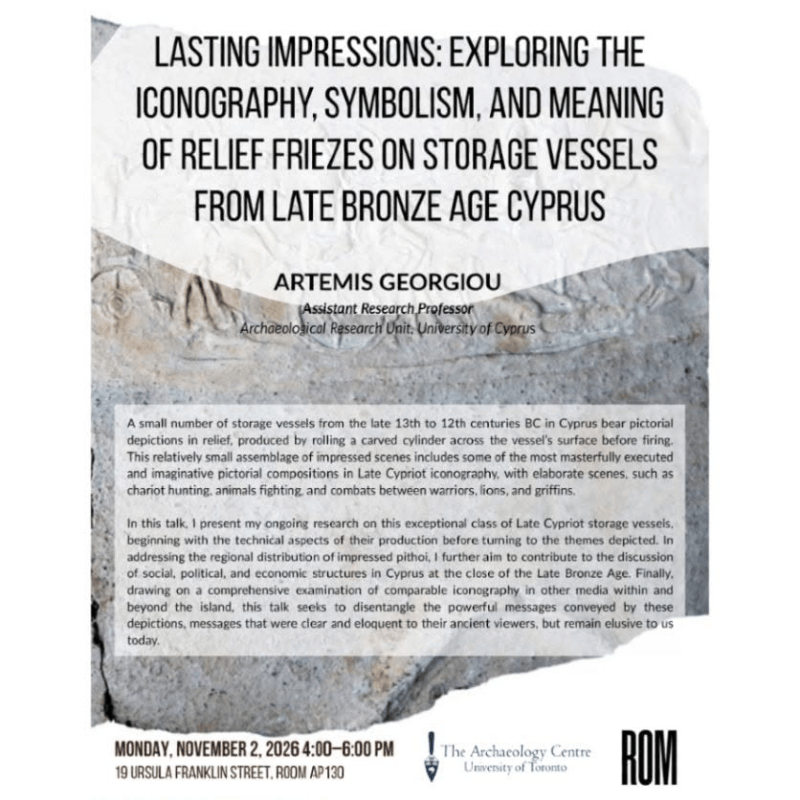
Dr Artemis Georgiou to Deliver Lecture at the University of Toronto on Late Bronze Age Cypriot Relief Friezes Dr Artemis Georgiou, project director of the COMPAS ERC Starting Grant, will be delivering an invited lecture at the Archaeology Centre, University of Toronto,…
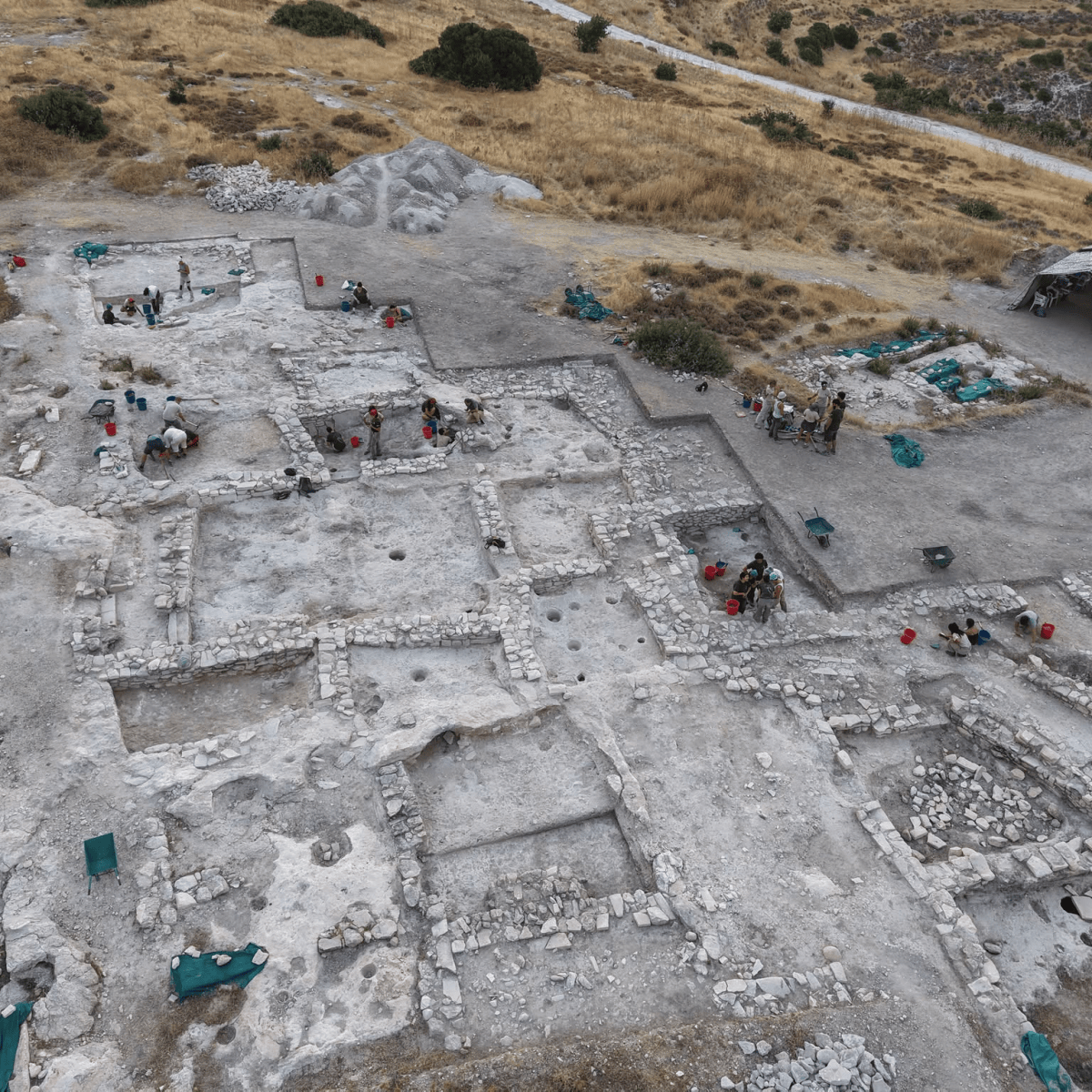
The Department of Antiquities has announced the completion of the 2026 excavation season at Erimi‑Laonin tou Porakou, where the Italian Archaeological Mission of the Università degli Studi di Siena continued its long‑term investigation of the Middle Bronze Age settlement and cemetery. Fieldwork…
The French archaeological mission at Amathous—carried out by the French School at Athens, the French Ministry for Europe and Foreign Affairs, and Laboratoire HiSoMA, MOM, Lyon—completed its second excavation season on the West Terrace of the acropolis between 30 March and 24…
Another successful excavation season has been completed at the Sanctuary of Apollo at Frangissa. The Department of Antiquities of the Deputy Ministry of Culture announced that the joint team from the Universities of Frankfurt and Rostock has completed its 2025 campaign at…
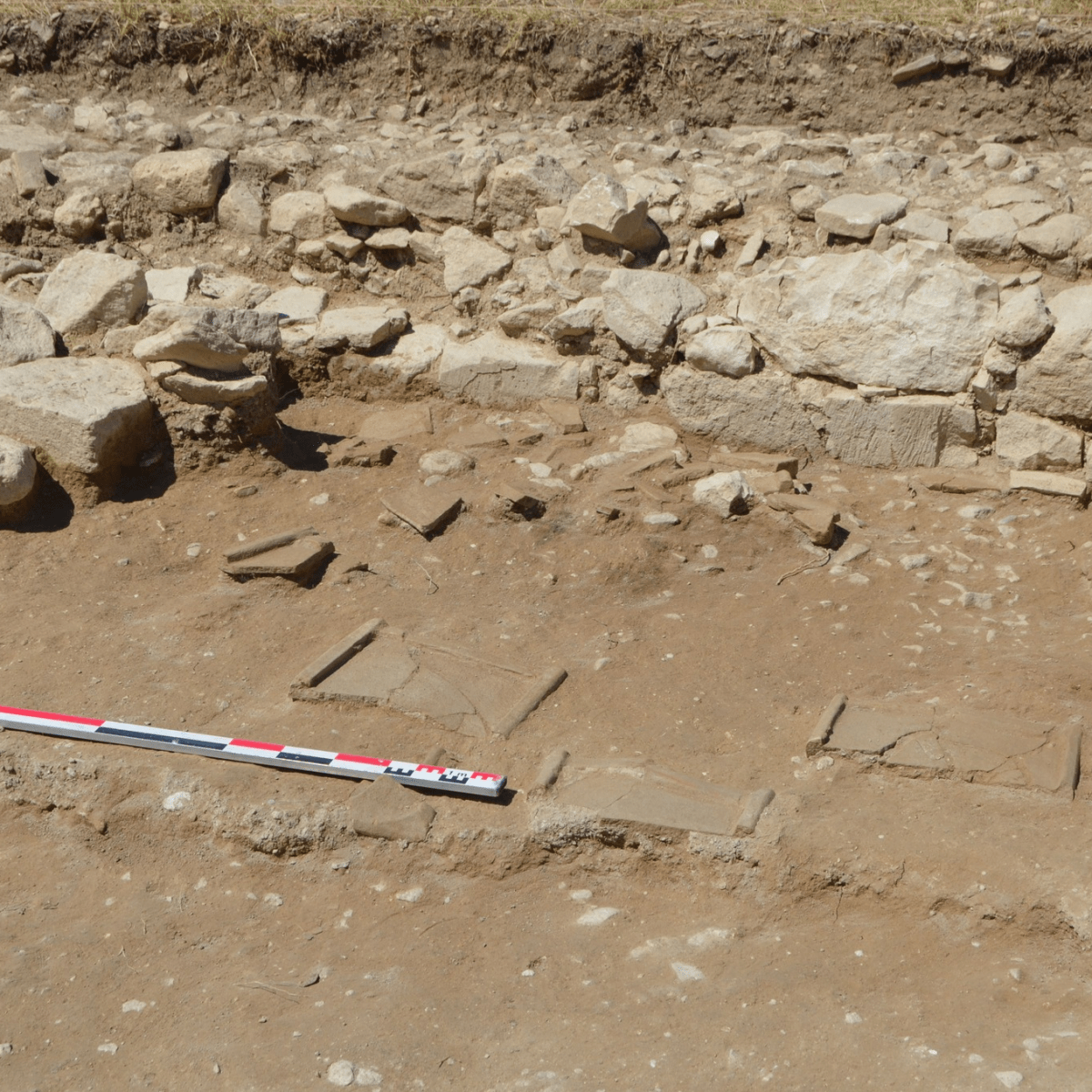
The Department of Antiquities of the Deputy Ministry of Culture of the Republic of Cyprus has announced the completion of the 2025 excavation season carried out by the North Carolina State University team at the prehistoric cemetery of Makounta–Voules/Mersinoudia in the Pafos…